GLP-1 and the Prevention of Yo-Yo Dieting: A Comprehensive Guide

Understanding GLP-1 and Its Role in Weight Management

Glucagon-like peptide-1 (GLP-1) is an incretin hormone that plays a critical role in regulating appetite, food intake, and overall energy homeostasis. It is secreted by the intestines in response to nutrient intake, particularly carbohydrates and fats. Once released, GLP-1 exerts various biological functions that significantly influence weight management. Its most notable actions include the enhancement of insulin secretion, inhibition of glucagon release, and slowing down gastric emptying. These functions contribute to improved glycemic control, which is essential for effective diet planning and weight loss strategies.

One of the primary mechanisms through which GLP-1 influences appetite is by promoting satiety—an increased feeling of fullness after eating. By signaling to the brain that sufficient food has been consumed, GLP-1 helps to reduce the likelihood of overeating, thus providing a helpful strategy for individuals seeking to manage their diets effectively. When people struggle with weight loss, they often experience yo-yo dieting—where they alternate between losing weight and gaining it back. The satiety signals mediated by GLP-1 can be particularly beneficial in mitigating this cycle, helping individuals to maintain their weight loss by preventing excessive food intake.

Additionally, GLP-1’s impact on gastric emptying aids in prolonging the digestion process, allowing for a more gradual release of nutrients into the bloodstream. This not only stabilizes blood glucose levels but also sustains feelings of fullness over an extended period. Consequently, individuals utilizing a GLP-1 targeted approach to dieting might find it easier to adhere to their nutrition plans, reducing the risk of the yo-yo effect. Ultimately, understanding GLP-1 is paramount for enhancing weight management efforts and developing effective long-term dieting strategies.

The Yo-Yo Effect: Causes and Consequences

Yo-yo dieting, often referred to as weight cycling, is a common pattern where individuals alternate between periods of weight loss and subsequent weight gain. This cycle can occur multiple times, leading to significant fluctuations in body weight and potentially harmful consequences for both physical and psychological health. The typical progression involves a diet regimen that results in weight loss, followed by a return to former eating habits, which ultimately culminates in regaining not just the lost weight but often additional pounds.

Several factors contribute to the yo-yo effect, including metabolic adaptations that occur when an individual restricts caloric intake. When dieting, the body’s metabolism can slow down in response to decreased energy availability, making it more challenging to maintain weight loss. Hormonal changes, particularly in the regulation of hunger and satiety, also play a vital role. For example, alterations in levels of ghrelin and leptin, hormones that control appetite, can lead to increased hunger and cravings post-diet, further complicating weight management efforts.

In addition to physiological factors, psychological aspects significantly influence the yo-yo effect. Many individuals may develop an unhealthy relationship with food, oscillating between restrictive dieting and overeating. This behavior can foster a cycle of guilt and shame, resulting in emotional distress and contributing to disordered eating patterns. Consequently, the ongoing stress associated with weight fluctuations may lead to depression and anxiety, undermining overall mental well-being.

In summary, the yo-yo effect is a multifaceted problem influenced by metabolic, hormonal, and psychological factors. Understanding these causes is crucial for those struggling with weight management, as it highlights the challenges faced during weight loss efforts and the importance of adopting a sustainable diet over a lifetime to promote lasting health and well-being.

GLP-1 Agonists: A New Approach to Stabilizing Weight

In recent years, GLP-1 agonists have emerged as a promising treatment option in the realm of obesity management and weight stabilization. These medications mimic the incretin hormone GLP-1 (glucagon-like peptide-1), which plays a crucial role in regulating appetite and glucose metabolism. By enhancing GLP-1’s action in the body, these agonists contribute to weight loss through multiple mechanisms, including promoting satiety, reducing food intake, and slowing gastric emptying.

Clinical studies have demonstrated the efficacy of GLP-1 agonists in achieving sustained weight loss among individuals struggling with obesity. For instance, participants involved in controlled trials have shown significant reductions in body weight and waist circumference when treated with these medications over periods extending up to several months or years. This sustained weight loss is critical for those at risk of yo-yo dieting, where individuals experience cyclical patterns of weight loss and regain, often leading to long-term health issues.

Beyond weight reduction, the potential benefits of GLP-1 agonists extend to improving metabolic health. Research indicates that these medications may help decrease insulin resistance, lower blood sugar levels, and positively affect lipid profiles. These factors are vital in preventing metabolic syndrome, which is often associated with unhealthy dieting behaviors, including the yo-yo effect.

For example, one case study outlined the weight outcome of patients administering a GLP-1 agonist over 52 weeks, which resulted in an average weight loss of approximately 10% of their total body weight. Such evidence endorses the viability of GLP-1 agonists as a scalable solution for weight management, with the objective of not only facilitating initial weight loss but also supporting long-term weight maintenance.

In summary, GLP-1 agonists address the challenges of obesity and prevent the yo-yo dieting cycle by offering a multi-faceted approach to weight management and metabolic health stabilization.

woman doing yoga meditation on brown parquet flooring

Integrating GLP-1 Strategies into Lifestyle Changes

Integrating GLP-1 strategies into daily life is essential for maintaining weight loss and preventing the detrimental cycle of yo-yo dieting. To achieve this, individuals must focus on dietary adjustments, physical activity, and behavioral modifications that align with the principles of GLP-1. Firstly, incorporating a diet rich in whole foods, such as fruits, vegetables, lean proteins, and whole grains, is crucial. These foods promote satiety, helping to reduce portion sizes and caloric intake while providing essential nutrients for overall health. The use of GLP-1 receptor agonists can further enhance appetite regulation, making it easier to stick to healthier dietary patterns.

In addition to dietary changes, the role of physical activity cannot be understated. Regular exercise significantly contributes to weight management by increasing energy expenditure and improving metabolic health. Activities such as walking, cycling, or resistance training not only help to burn calories but also promote muscle mass retention, which is vital during weight loss. Establishing a routine that includes both aerobic and strength training exercises can produce long-term benefits and facilitate the prevention of weight regain.

Behavioral modifications play a pivotal role in integrating GLP-1 strategies effectively. Individuals are encouraged to set realistic goals, track their food intake, and monitor their progress to maintain accountability. Mindful eating practices can also assist in recognizing hunger cues and reducing emotional eating triggers. Engaging in support groups or seeking professional guidance may provide additional encouragement and valuable insights, fostering a supportive environment for sustainable change.

Ultimately, a holistic approach to weight management that combines medical interventions, like GLP-1 therapies, with healthy lifestyle choices is paramount. By embracing these strategies, individuals can break free from the yo-yo dieting cycle, cultivate a sustainable relationship with food, and achieve lasting weight loss success.


Preparing for Hurricanes: Understanding the Dangers and Medical Preparedness

Understanding the Dangers of Hurricanes

Hurricanes are among the most powerful and destructive natural disasters, characterized by their strong winds, heavy rainfall, storm surges, and the potential for extensive flooding. Each component poses unique dangers that can significantly impact communities, infrastructure, and personal safety. The strong winds associated with hurricanes can reach speeds exceeding 150 miles per hour, resulting in severe damage to buildings, uprooting trees, and turning unsecured objects into lethal projectiles. This can lead to injuries and fatalities, highlighting the necessity for individuals to adequately prepare for a hurricane.

Heavy rainfall is another significant hazard that accompanies hurricanes, often leading to flash flooding. This can overwhelm drainage systems and cause water levels to rise rapidly, posing a serious threat to both life and property. Urban areas, in particular, are vulnerable due to their infrastructure, which may not be designed to handle such deluges. In addition to immediate physical harm, flooding can lead to long-term repercussions, including mold growth and damage to electrical systems.

Storm surges represent one of the most lethal aspects of a hurricane. The rise in sea levels driven by the storm can flood coastal areas, inundating homes and leading to mass evacuations. Communities located near shorelines are at particular risk, and statistics reveal that storm surges are responsible for the majority of hurricane-related fatalities. Understanding these dangers is critical, as approximately 50% of all hurricane-related injuries and fatalities are linked to natural hazards associated with high wind, flooding, and storm conditions.

Effective preparation for a hurricane not only involves understanding the immediate threats but also the long-term risks to health and safety. Families and communities need to prioritize hurricane readiness through education, resource allocation, and emergency planning to mitigate the impacts of these formidable storms.

Hurricane Preparation: Key Steps to Take

Hurricane preparation is crucial in minimizing risks and ensuring safety for you and your loved ones. The fundamental step in preparing for a hurricane is to gather essential supplies. A well-stocked emergency kit should include food and water sufficient for at least three days. Non-perishable food items, such as canned goods and energy bars, along with at least one gallon of water per person per day, are vital. Additionally, ensure that your kit contains batteries, flashlights, and a battery-powered radio to remain informed during power outages.

Another critical element of preparedness is the creation of an emergency plan. This involves determining escape routes, identifying a safe meeting place, and establishing communication strategies with family and friends. Inform all household members about the plan and conduct practice drills to ensure everyone knows what to do when a hurricane approaches. It is essential to stay alerted for weather updates and heed any evacuation orders issued by local authorities.

Moreover, securing your property against potential hurricane damage is an important aspect of preparedness. This includes installing storm shutters, reinforcing doors and windows, and ensuring that outdoor objects are secured or stored away. If you live in a flood-prone area, consider elevating electrical appliances and critical utilities to minimize potential water damage.

Finally, it is beneficial to have a first aid kit readily accessible and monitor the medical needs of family members. This kit should include basic supplies such as bandages, antiseptic wipes, medications, and any specific medical equipment required. Taking these proactive measures not only enhances your safety but also contributes to better medical preparedness during the hurricane season.

Medical Preparedness: What to Have on Hand

In the context of hurricane preparedness, ensuring that medical needs are addressed is of paramount importance. Hurricanes can disrupt healthcare services and lead to significant challenges in accessing necessary medical attention. Therefore, it is essential to have a well-stocked first aid kit readily available, as well as all necessary prescription medications. A robust first aid kit should include items such as adhesive bandages, antiseptic wipes, gauze pads, medical tape, scissors, tweezers, and pain relievers. Additionally, it is advisable to include supplies for specific medical conditions, such as inhalers for asthma or insulin for diabetes.

Furthermore, individuals should take note of any prescription medications that are critical for their health and ensure they have an adequate supply to last through a hurricane and any subsequent disruptions. It is prudent to organize these medications in a waterproof container, allowing for easy accessibility and protection from the elements. In situations where access to healthcare becomes limited after a hurricane, being proactive in securing these essentials can mitigate risks associated with chronic conditions or sudden medical issues.

In terms of common medical concerns during and after a hurricane, injuries—ranging from cuts and bruises to more serious wounds—are prevalent. It is crucial to be prepared to manage these injuries effectively using the supplies from your first aid kit. Additionally, the risk of infections increases due to contaminated water and limited hygiene facilities. Therefore, having antiseptics and antibiotic ointments on hand can be invaluable. Community resources, such as local health departments, may provide further guidance on how to manage specific health concerns that may arise in the aftermath of a hurricane.

In conclusion, comprehensive medical preparedness is crucial when facing hurricanes. By equipping oneself with necessary first aid supplies and ensuring that all medical prescriptions are accounted for, individuals can better protect their health in challenging circumstances.

After the Storm: Recovery and Safety Measures

Following a hurricane, the recovery phase is critical for both physical and emotional well-being. It is essential to assess your environment for safety risks and evaluate your own condition. Start by checking for injuries among family members and yourself, taking note of any physical ailments that may need attention. In the aftermath of a hurricane, individuals are at increased risk of experiencing anxiety, depression, and post-traumatic stress disorder (PTSD). Therefore, seeking mental health support should be a priority, as emotional recovery can be just as important as physical recovery.

Physical risks are also significant during the cleanup process. Contaminated water can pose serious health dangers, as floodwaters may contain harmful pathogens. Ensure you have an adequate supply of clean water for as long as necessary after the hurricane. Additionally, never assume that the power has been restored; downed power lines present a lethal hazard, and one should maintain a safe distance from them. Make sure to stay updated with local news alerts about the area’s safety and follow instructions from emergency services.

During cleanup, it is advisable to wear protective gear such as gloves, masks, and sturdy footwear to prevent injuries and exposure to contaminated materials. If you encounter situations that present health risks, including mold growth or hazardous debris, do not hesitate to contact professionals for assistance. Medical preparedness remains crucial during this time, as access to healthcare services may be diminished. Keep an emergency kit that includes basic medical supplies, and know the location of medical facilities that might still be operational.

In conclusion, the recovery phase after a hurricane requires careful attention to both physical and emotional health. By prioritizing safety and seeking assistance when needed, individuals can promote a healthier environment for themselves and their communities as they work through the aftermath of such a devastating event.

Analyzing Michigan State Football Results and the Medical Risks of the Game

Overview of Michigan State Football Results

Michigan State University has had a compelling football season, characterized by a mix of successes and challenges that have shaped their performance and strategy. As the season progresses, the results reflect not only the athletic prowess of the players but also the effectiveness of the coaching staff’s tactical decisions. In the recent games, the team has displayed notable resilience, particularly in key matchups against rival schools, showcasing their determination and competitiveness within the Big Ten Conference.

One of the standout games that captured attention was the match against a top-ranked opponent, where Michigan State demonstrated their strategic depth. The offensive unit had impressive statistics, with significant contributions from key players, who not only executed plays effectively but also adapted to the game’s ebb and flow. The quarterback’s precision and the wide receivers’ agility were instrumental in securing vital touchdowns, while the defense worked tirelessly to contain the opposing team’s efforts, ultimately leading to a thrilling victory.

In terms of statistics, the team’s passing game has improved substantially compared to previous seasons, indicating a shift in strategy that emphasizes aerial attacks. This adaptation has allowed Michigan State to maximize its scoring opportunities, contributing to a higher point average this season. Additionally, standout players have emerged, each contributing to the overall team dynamics. Players’ individual performances have not only bolstered Michigan State’s standings but have also fostered a sense of unity within the team, as they rally around shared goals and objectives.

As the season draws closer to its conclusion, the implications of these results become increasingly significant. The team needs to maintain their momentum to secure a favorable position for bowl game selections. Fans can expect to see continued evolution in play style and lineups, as Michigan State aims to refine their approach and capitalize on their strengths heading into the final stretch of the season.

The Risks Associated with Football Games

Football, particularly at the collegiate level like that of Michigan State, is a physically demanding sport characterized by its intensive physical contact. This attribute inherently makes it prone to a variety of injuries. Among the most concerning risks are concussions, fractures, and other types of trauma. According to recent studies, football players have one of the highest rates of concussions compared to athletes in other sports. Research indicates that players on football teams experience nearly 10 times more concussions than those participating in sports like soccer, basketball, or baseball. This disparity highlights the unique dangers associated with the game of football.

Beyond concussions, fractures are equally prevalent among football players. The combination of high-speed collisions and the necessity for physical resilience generates a landscape where serious injuries can occur. These fractures can result in long-term consequences, such as chronic pain and mobility issues, which are critical considerations that all players need to be aware of as they advance in their football careers. Notably, many athletes are willing to risk these consequences for the sake of competition, which can complicate recovery times and the overall health of the players.

Medical experts emphasize the importance of addressing these risks head-on. The consensus is clear: adequate training, the enforcement of safety protocols, and innovations in safety equipment are paramount. The advent of better helmets and protective gear has certainly contributed to reducing injury rates, but players remain exposed to significant threats on the field. The long-term implications of football-related injuries can lead to serious health issues later in life, including cognitive decline and chronic traumatic encephalopathy (CTE). Consequently, awareness and educational initiatives regarding injury risks are vital for the wellbeing of collegiate athletes in Michigan and beyond.

Importance of Medical Treatment Before and During the Game

In the context of Michigan football, medical treatment plays a crucial role in safeguarding players’ health and well-being. Prior to stepping onto the field, it is essential that athletes undergo comprehensive pre-game assessments. These evaluations typically include physical examinations, screening for potential injuries, and fitness assessments to ensure that players are in optimal condition. Such assessments assist coaching and medical staff in identifying any underlying issues that may predispose athletes to injury during practices and games.

Moreover, warm-up routines are integral to the preparation for competitive football. These structured warm-up sessions are designed not only to enhance performance but also to mitigate the risk of injuries. Stretching, agility drills, and sport-specific movements improve flexibility and muscle readiness, which is vital given the physical demands of the game. The implementation of proper warm-up practices can significantly reduce the likelihood of acute injuries, a factor frequently acknowledged in discussions about Michigan football safety protocols.

In addition to pre-game measures, the capacity for immediate medical response during games is critical. The fast-paced nature of football means that injuries can occur at any moment, necessitating the presence of trained medical personnel on-site. In Michigan, teams adhere to prescribed protocols that allow for rapid assessment and treatment of injuries, whether they be concussions, fractures, or other acute conditions. Quick and effective medical intervention not only aids in the immediate recovery of injured players but can also minimize the risk of long-term consequences associated with untreated injuries. Thus, the framework of medical treatment before and during football games is integral to the overall safety of players, particularly in a high-contact sport like football, underscoring the importance of prioritizing player health throughout the season.

Future Directions for Player Safety in College Football

The landscape of college football is evolving, particularly regarding player safety. As the sport continues to grow in popularity, initiatives aimed at minimizing injuries and enhancing player protection are more crucial than ever. One area of focus is the innovation in helmet technology. Brands and manufacturers are developing advanced helmet designs that utilize new materials and engineering techniques to absorb impact better. These helmets aim to reduce the risk of concussions and other head injuries, providing an added layer of security for athletes on the field.

In addition to equipment advancements, rule changes play a significant role in player safety. Governing bodies, such as the NCAA, are continuously evaluating and amending rules to make the game safer. For instance, modifications to targeting penalties and restrictions on specific types of tackles intend to protect players from dangerous situations. By instituting such changes, the college football community demonstrates a commitment to prioritizing the health and safety of its athletes, ultimately affecting the overall game dynamics.

Ongoing medical research also contributes to this effort. Universities and medical institutions are conducting studies on the long-term effects of playing football and are working on protocols for safer practice and game conditions. This research informs coaching strategies and health guidelines, thus facilitating a better understanding of injury prevention and player readiness.

Furthermore, comprehensive education and training programs for coaches and medical staff are essential. Equipping them with the knowledge to recognize potential risks and respond to medical emergencies can significantly impact player well-being. This holistic approach ensures that athletes are supported not only on the field but in their overall health journey.

As these advancements unfold, they are likely to reshape the perception of Michigan football and college football at large, reinforcing its commitment to sustainability as a sport that values the safety of its players.

Discovering Amazon Pharmacy: Strengths and How to Use It

What is the Amazon Pharmacy?

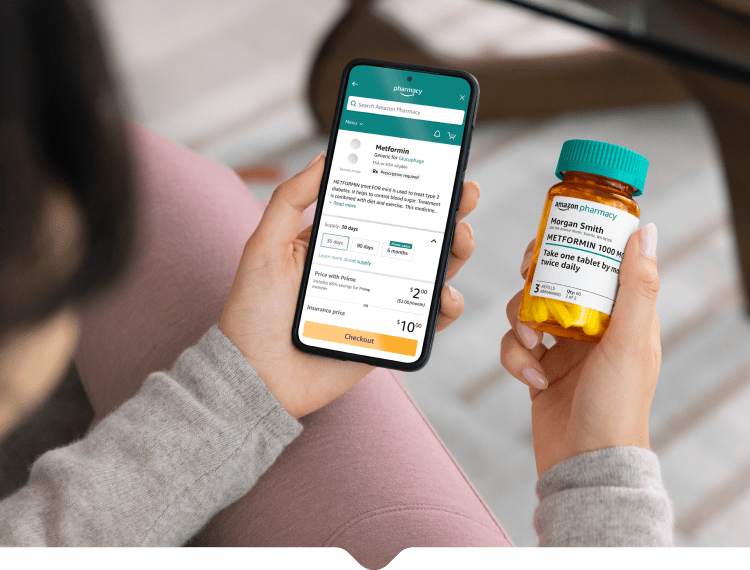
Amazon Pharmacy represents a significant milestone in the evolution of online healthcare services. Launched as part of Amazon’s broader initiative to enhance access to healthcare, this service aims to provide a seamless experience for obtaining prescription medications. The advent of Amazon Pharmacy highlights the growing relevance of online pharmacies, underscored by recent global health trends that have driven an increasing number of consumers to seek pharmacy services through digital platforms.

The primary objectives of Amazon Pharmacy extend beyond merely providing medication; they focus on convenience, affordability, and accessibility. By leveraging its vast logistics capabilities, Amazon seeks to streamline the process of ordering medications, ensuring customers can fill prescriptions quickly and conveniently. Users can easily search for their required medications, manage prescriptions, and have their orders delivered directly to their doors, all through the familiar Amazon platform. This integration not only enhances user experience but also positions Amazon as a key player in the evolving healthcare landscape.

The rise of digital technology has transformed the way healthcare is accessed, making it imperative for pharmacies to adapt to changing consumer demands. In this context, online pharmacies are emerging as essential resources, providing patients with easy access to medications while catering to diverse needs. With Amazon Pharmacy, customers can expect a comprehensive service that not only includes medication fulfillment but also offers resources for managing their health more effectively.

As healthcare continues to evolve in the digital age, the introduction of Amazon Pharmacy signifies a forward-thinking approach to prescription management. By embracing technology and focusing on customer-centric solutions, Amazon is poised to redefine the pharmacy experience, making it more accessible for individuals everywhere.

Key Strengths of Amazon Pharmacy

Amazon Pharmacy has rapidly emerged as a formidable player in the online pharmaceutical landscape, offering several key strengths that set it apart from traditional pharmacies. One such strength is the unmatched convenience it provides to users. Customers can easily order medications from the comfort of their homes, eliminating the need for trips to physical pharmacies. The user-friendly interface allows for seamless browsing and selection of prescribed medications, making the entire process straightforward and efficient.

Another significant advantage of Amazon Pharmacy is its competitive pricing. Users can benefit from reduced medication costs, particularly when compared to local pharmacies. This pricing strategy is further enhanced for Amazon Prime members, who often have access to exclusive discounts that can lead to greater savings on prescriptions. Such pricing dynamics make Amazon Pharmacy an appealing option for consumers searching for affordable healthcare solutions.

A comprehensive suite of services complements the convenience and pricing structures. Amazon Pharmacy offers automatic refills, which help patients manage their prescriptions effortlessly, reducing the likelihood of missed doses. Additionally, the platform provides a tracking feature for orders, allowing users to monitor their medications as they are processed, shipped, and delivered. This transparency contributes to a greater sense of control and trust in the service.

Moreover, the integration of Amazon Prime benefits into the Amazon Pharmacy experience enhances its overall value proposition. Prime members can enjoy expedited shipping and even more discounts on select medications, thereby elevating their shopping experience. Together, these strengths make Amazon Pharmacy a reliable and attractive option for individuals looking for a modern approach to medication management.

How to Use Amazon Pharmacy

Utilizing Amazon Pharmacy effectively begins with setting up an account. To get started, visit the Amazon Pharmacy website, and click on the “Get started” button. If you are already an Amazon customer, sign in with your existing account credentials. If you do not have an account, you will need to create one by providing your email address, choosing a password, and entering your address details. Once logged in, you will have the option to link your health insurance. Providing your insurance information helps determine eligible medications and costs, allowing for a seamless experience.

Next, you will need to provide your prescription information. Amazon Pharmacy allows users to either upload a prescription from their healthcare provider or have it sent directly to them electronically. To upload a prescription, select the option to add a new prescription and either take a photo of the document or manually enter the medication details. Ensure that all information is accurate to avoid any issues during processing.

After entering your prescription details, you can browse medications available in the Amazon Pharmacy catalog. Use the search bar to find specific drugs or explore categories to view available options. Once you select your medication, you will be directed through the ordering process. During this stage, you can review your prescription, check the total cost, and choose your preferred shipping method.

A notable feature of Amazon Pharmacy is the option to consult with pharmacy staff. Customers can reach out for assistance regarding prescriptions, medication interactions, and any queries about services offered. Furthermore, managing and refilling prescriptions online is simple; users can set reminders for refills and track their order status. By following these steps, patients can maximize the benefits and efficiencies offered by Amazon Pharmacy.

Future Prospects

As we reflect on Amazon Pharmacy and its evolving role within the healthcare landscape, it becomes evident that this innovative service represents a significant shift in how individuals access their medications. The integration of technology into pharmacy services streamlines the process of obtaining prescriptions and managing medications, aligning with current trends toward digitalization in healthcare. Amazon Pharmacy not only offers convenience through doorstep delivery but also enhances patient engagement by providing easier access to healthcare services.

Looking ahead, the potential for Amazon Pharmacy to influence the telehealth sector is substantial. With the increasing emphasis on remote consultations and virtual care, there is a clear opportunity for Amazon Pharmacy to expand its offerings. Future developments may include enhanced integration with telehealth platforms, allowing patients to receive prescriptions directly after a virtual consultation with their healthcare provider. Such a seamless connection would eliminate the need to navigate multiple systems, thus improving the overall user experience.

Furthermore, as Amazon continues to innovate, we can anticipate an expanding range of services that may encompass wellness programs, medication management tools, and personalized health recommendations. The digitalization of pharmacies presents an opportunity to make healthcare more accessible and efficient, potentially lowering costs for patients and insurers alike. With a focus on user experience, Amazon Pharmacy is likely to introduce features that cater to the unique needs of its customers, making it a valuable resource in their healthcare journey.

In conclusion, as Amazon Pharmacy carves its path in the healthcare industry, it brings with it a promise of growth and enhanced service delivery. By embracing the digital shift, patients stand to benefit immensely from the innovations that lie ahead. The trajectory of Amazon Pharmacy and similar platforms heralds a new era in healthcare, one that prioritizes accessibility, convenience, and improved health outcomes.

Mark Robinson’s Vision for Health Care Policy: Understanding His Medicaid Strategy

Introduction to Mark Robinson’s Health Care Policy

Mark Robinson, a prominent political figure, has emerged as a passionate advocate for health care reform. His approach to health care policy is informed by a combination of personal experience, extensive research, and a commitment to improving access and quality for all citizens. Robinson, who has held various leadership roles, brings a unique perspective to the challenges facing the health care system today. His background in public service highlights a dedication to community welfare and a demonstrated ability to navigate complex policy issues.

At the core of Robinson’s health care philosophy is the belief that every individual deserves access to affordable and high-quality medical services. He recognizes the systemic barriers many face in obtaining adequate care—issues that have been amplified by rising costs and disparities in service delivery. Robinson’s political stance is characterized by a focus on pragmatic solutions, emphasizing the importance of bipartisan cooperation in addressing the multifaceted challenges of health care. His strategies not only reflect a commitment to enhancing accessibility but also aim to empower patients through informed choices and improved outcomes.

Key principles that drive Robinson’s vision include a commitment to transparency in health care pricing, advocating for sustainable funding models, and promoting preventive care strategies. He believes that by focusing on these areas, the health care system can alleviate the financial burden on families while prioritizing quality patient care. As we delve deeper into Robinson’s specific proposals, it becomes evident that his overall strategy is built on the premise of building a more equitable health care framework that serves every citizen’s needs effectively.

Overview of Robinson’s Medicaid Plan

Mark Robinson’s Medicaid strategy represents a departure from the existing frameworks, aiming to enhance the provision of services to low-income populations. One of the core elements of his plan involves revising the funding mechanisms, thereby ensuring greater financial sustainability. Robinson proposes to allocate state funds more efficiently, emphasizing a results-oriented approach where resources are directed towards initiatives that demonstrably improve health outcomes. This could involve leveraging federal matching funds more effectively to ensure a robust financing structure that meets the increased demand for services.

Eligibility criteria receive a significant rethink under Robinson’s blueprint. His proposal expands access to Medicaid by increasing the income thresholds, allowing more families and individuals to benefit from coverage. This expansion aims to eliminate gaps that exist in the current system, ensuring that vulnerable populations receive the healthcare assistance they need. In addition, Robinson’s plan seeks to streamline the enrollment process, making it more user-friendly and less bureaucratic, which can often deter eligible individuals from accessing necessary care.

Innovative approaches are also at the forefront of Robinson’s Medicaid strategy. He advocates for the integration of technology into service delivery, promoting telehealth as a viable option for low-income communities. This angle not only enhances access to services but also addresses the challenge of transportation barriers that many beneficiaries face. Moreover, Robinson emphasizes preventative care and wellness programs as critical components of his Medicaid plan, aiming to reduce long-term costs while improving health outcomes through early intervention. Overall, Robinson’s Medicaid plan seeks to create a more equitable and responsive healthcare system that caters to the specific needs of the low-income population.

Impacts and Benefits of the Proposed Changes

The potential impacts and benefits of Mark Robinson’s Medicaid strategy are considerable, particularly for low-income families and individuals who depend on Medicaid services. One of the primary advantages of his proposed changes is the potential for improved health outcomes. By increasing access to essential health services, Robinson’s plan may enable a greater number of individuals to receive timely medical care, which can lead to early diagnoses, better management of chronic conditions, and overall enhanced well-being.

Furthermore, by addressing the financial burdens associated with healthcare costs, Robinson’s policy could alleviate significant economic stress for low-income households. Many families struggle with exorbitant medical expenses that can lead to insurmountable debt or deter them from seeking necessary care. By increasing Medicaid coverage and potentially lowering premiums, his strategy could allow families to allocate funds to other essential needs such as housing, education, and nutrition, thereby improving their quality of life.

Additionally, Robinson’s plan aims to bolster Medicaid enrollment, which is crucial for ensuring that more individuals benefit from the comprehensive health coverage that Medicaid offers. The expansion of outreach programs and simplified application processes could incentivize eligible individuals to enroll, ultimately reducing the uninsured rate within the population. This increased enrollment may also lead to improved public health outcomes, as more individuals gain access to preventive care and early intervention services.

However, the proposed changes are not without challenges and criticisms. Critics may argue that funding for the expanded Medicaid services could strain state budgets or result in increased taxes. Moreover, there are concerns about maintaining the quality of care alongside expanding access. Navigating these hurdles will be essential for the successful implementation of Robinson’s Medicaid strategy.

Conclusion and Future Implications

Mark Robinson’s approach to health care policy, particularly his strategy regarding Medicaid, presents a significant perspective on the future of health care delivery within the state and potentially across the nation. Throughout this discussion, we have seen a comprehensive outline of his proposed reforms, which aim to enhance accessibility and affordability for individuals reliant on Medicaid services. By focusing on the structural challenges within the current system, Robinson’s proposals advocate for innovations that could potentially transform the delivery of health care to underserved populations.

The implications of Robinson’s Medicaid strategy are manifold. Firstly, if successfully implemented, his vision could lead to improved health outcomes for countless individuals who currently face barriers to care. Enhanced funding and support for Medicaid could enable more comprehensive coverage, ensuring that vulnerable populations are not left behind. Furthermore, his emphasis on fiscal responsibility may resonate with constituents who prioritize efficient use of public resources, ultimately shaping public discourse on health care spending.

However, the political landscape poses significant challenges to the realization of his vision. The success of such ambitious health care initiatives will heavily depend on public opinion and legislative support. As discussions surrounding health care continue to be a contentious topic, building a coalition of support among various stakeholders, including healthcare providers, policymakers, and the public, will be crucial. The potential outcomes of Robinson’s health care plans hinge on effective communication and collaboration with these groups, ensuring that Medicaid remains a robust safety net for those in need.

In conclusion, Mark Robinson’s proposals for Medicaid reform illustrate a forward-thinking approach that could dramatically influence future health care policies. The feasibility of his strategy will ultimately depend on widespread public backing and the political will to overcome systemic barriers in the current health care framework.

Secrets to Staying Healthy During Seasonal Changes: From Summer to Winter

Understanding the Impact of Seasonal Changes on Health

The transition from summer to winter brings significant changes in temperature, humidity, and daylight hours, all of which can considerably impact our physical and mental health. As the days grow shorter and temperatures drop, our bodies undergo adaptations that may affect overall well-being. This seasonal shift is often associated with a range of health challenges, including viral infections like colds and flu, as well as mood disorders such as Seasonal Affective Disorder (SAD).

With the arrival of cooler temperatures, the immune system’s performance can decline, making individuals more susceptible to respiratory illnesses. The variance in moisture levels contributes to the drying of airways, leading to an increased likelihood of developing infections. The fluctuation in humidity can also exacerbate pre-existing conditions, such as asthma or allergies, further complicating an individual’s health status. For this reason, it is essential to pay attention to one’s immune health as seasonal changes occur.

In addition to physical health, the subtle changes in sunlight exposure can have profound effects on mental well-being. The reduction in natural light is linked to lower serotonin levels in the brain, which can lead to feelings of sadness or lethargy. This phenomenon is particularly prevalent in individuals who are sensitive to light changes or those living in regions that experience drastic seasonal variations. Awareness of these mental health implications is crucial for preparing oneself for seasonal transitions and implementing effective coping strategies.

Acknowledging the body’s natural adaptations to seasonal changes emphasizes the importance of taking proactive health measures. Engaging in activities that promote overall health, such as maintaining a balanced diet, exercising regularly, and seeking light therapy, can foster resilience against health challenges associated with seasonal shifts. By understanding the myriad impacts of seasonal changes on health, individuals can better navigate the transition from summer to winter with a focus on well-being.

Essential Nutritional Strategies for Cooler Weather

As the seasons change from the warmth of summer to the chill of winter, adjusting our nutritional strategies becomes paramount for maintaining health and well-being. Cooler weather often brings a higher risk of colds and flu, making it essential to focus on foods that bolster the immune system. Prioritizing nutrients such as vitamins A, C, D, and zinc can be particularly beneficial during this transition.

Incorporating vibrant seasonal produce is a practical way to enhance your diet. Foods rich in antioxidants, such as sweet potatoes, brussels sprouts, and kale, are excellent choices. These vegetables not only provide essential vitamins but also help in combating oxidative stress, which can increase during colder months. Citrus fruits like oranges and grapefruits deliver a hefty dose of vitamin C, pivotal for immune support. Additionally, mushrooms, particularly varieties like shiitake and maitake, contain vitamin D, which is crucial during winter when sunlight exposure decreases, thus aiding in the prevention of seasonal illnesses.

Meal planning during the colder months can also contribute significantly to maintaining energy levels. Hearty soups and stews are ideal choices, as they can be packed with various vegetables, legumes, and lean proteins. These dishes are not only comforting but also provide a nutritionally dense option for dinner or lunch. Incorporating grains like quinoa and brown rice can also keep energy levels sustained throughout the day.

Furthermore, consider adding spices such as ginger and turmeric to your meals to benefit from their anti-inflammatory properties. Both spices can help strengthen the immune system and keep you warm during frigid evenings. To summarize, embracing a diet rich in seasonal fruits, vegetables, and essential nutrients can lead to improved health and vitality as you navigate the transition from summer to winter.

Maintaining Physical Activity in Chilly Conditions

As the seasons transition from summer to winter, maintaining a regular physical activity routine can become challenging due to colder weather. However, it is crucial to prioritize exercise as it directly contributes to both mental and physical health. Transitioning to indoor workouts can be an effective solution; various forms, including yoga, pilates, and weight training, can be easily carried out at home or in fitness facilities. Online platforms offer a plethora of guided classes that cater to all fitness levels, enabling individuals to maintain exercise consistency regardless of outdoor conditions.

For those who prefer engaging in outdoor activities, winter sports such as skiing, snowboarding, or even ice skating can be excellent alternatives. These activities not only promote cardiovascular fitness but also allow individuals to enjoy the beauty of winter landscapes. Furthermore, participating in group sports or classes can enhance motivation, making the colder months more enjoyable and socially engaging.

Staying active during winter can present unique challenges; however, dressing appropriately can significantly enhance comfort levels. Investing in moisture-wicking layers, insulated outerwear, and thermal accessories is essential for outdoor workouts. Moreover, maintaining visibility in limited daylight conditions is important; reflective clothing and gear can improve safety during early morning or evening exercises.

To maintain motivation during these chilly months, setting realistic fitness goals can provide a sense of direction. Joining fitness groups, whether virtually or locally, can foster a sense of community, helping individuals to stay accountable. Encouraging friends or family to join in physical activities can also transform exercise into a social event, thus making it less daunting during the cold. Establishing a routine and holding oneself accountable are vital for rebuffing the inertia that often accompanies the dreary winter months.

Mental Health: Staying Positive During Seasonal Transitions

As the seasons change from the warmth of summer to the chill of winter, many individuals experience shifts in their mood and energy levels. This seasonal transition often brings about challenges such as shorter days and colder temperatures, which can contribute to feelings of sadness and may even lead to Seasonal Affective Disorder (SAD). It is essential to adopt effective mental health strategies during this period to maintain a positive outlook.

One effective approach is to practice mindfulness. This technique encourages individuals to focus on the present moment, reducing anxiety and fostering a sense of calmness. By engaging in mindfulness exercises such as meditation or deep breathing, one can alleviate stress and enhance emotional well-being. Implementing these practices daily can create a beneficial habit, allowing individuals to navigate the winter months with a clearer mindset.

Additionally, staying socially engaged is crucial for mental health during seasonal changes. Social activities can help combat feelings of isolation that sometimes accompany colder weather. Whether it’s joining a local club, participating in group activities, or simply connecting with friends and family, fostering relationships can provide support and joy. Engaging in conversations and shared experiences can uplift spirits and create a sense of belonging.

Creating a cozy home environment can also significantly influence one’s mood. By enhancing one’s living space with warm lighting, comfortable furnishings, and inviting decor, it becomes a sanctuary during the colder months. Incorporating elements such as candles, blankets, and seasonal decorations can make the home feel more welcoming and promote a positive mindset.

Implementing these strategies – mindfulness, social engagement, and a cozy home environment – can assist individuals in managing their mental health during the seasonal transition from summer to winter while fostering an overall sense of well-being.

Noom Launches New Weight Loss Program Featuring Compounded GLP-1 Drug

Introduction to Noom’s New Program

Noom has recently launched an innovative weight loss program that integrates a compounded GLP-1 drug into its established health and wellness platform. This strategic integration underscores Noom’s commitment to providing sustainable and effective weight loss solutions tailored to individual needs. The company’s mission revolves around promoting healthier lifestyles through a combination of psychological insights, personalized coaching, and now, pharmacological assistance.

The incorporation of GLP-1 medications signifies a significant development in the field of weight management. GLP-1, or glucagon-like peptide-1, is a hormone that plays a crucial role in appetite regulation and glucose metabolism. By enhancing the body’s natural response to food intake, GLP-1 medications can help individuals feel fuller for longer, ultimately supporting weight loss efforts. This approach aligns perfectly with Noom’s philosophy of combining behavioral change with scientific advancements to foster lasting results.

Recognizing the complexity of weight loss, Noom’s program not only leverages the efficacy of GLP-1 drugs but also maintains a holistic approach by incorporating behavioral strategies. Users can expect a supportive environment that includes interactive tools, educational resources, and access to health professionals, all designed to empower them on their weight loss journey. The integration of compounded GLP-1 medication represents an innovative enhancement to Noom’s offerings, catering to diverse user needs and recognizing the physiological factors that often hinder weight loss progress.

This new program marks a pivotal moment in Noom’s evolution as a leader in the health sector, where modern technology converges with established medical practices. By embracing GLP-1 and adding it to their platform, Noom not only broadens its appeal but also reinforces its commitment to fostering sustainable health improvements for all users.

Understanding GLP-1 and Its Role in Weight Loss

GLP-1, or glucagon-like peptide-1, is a hormone that plays a crucial role in regulating appetite and managing energy balance. Produced in the intestines, GLP-1 is stimulated upon food intake, leading to several physiological effects that are beneficial in weight management. This incretin hormone enhances insulin secretion from the pancreas, thereby improving insulin sensitivity and helping in glucose metabolism. Notably, GLP-1 also acts on the brain to promote satiety, which can lead to reduced food intake and ultimately, weight loss.

The therapeutic application of GLP-1 receptor agonists has gained recognition in recent years as an effective method for obesity management. These medications mimic the action of natural GLP-1 in the body, promoting feelings of fullness while reducing hunger. Some can notably slow gastric emptying, contributing to prolonged satiety after meals. Research has validated the effectiveness of GLP-1 drugs in fostering significant weight reduction among various populations, establishing their relevance in modern weight loss strategies.

While the benefits of GLP-1 treatments are compelling, potential side effects must also be considered. Common reactions include gastrointestinal discomfort such as nausea, diarrhea, and abdominal pain. Although these side effects can be troubling, they often subside over time as the body adjusts to the medication. Additionally, individuals with a personal or family history of medullary thyroid carcinoma or multiple endocrine neoplasia syndrome type 2 should approach GLP-1 therapies with caution due to associated risks. It is essential for individuals seeking weight loss solutions to consult healthcare professionals to evaluate their specific cases and determine the best course of action.

Overall, understanding the role of GLP-1 in appetite regulation and metabolism can illuminate its place in modern weight loss programs, providing individuals with effective tools for achieving their health goals.

How Noom’s Program Works

Noom‘s new weight loss program is designed to leverage the benefits of the compounded GLP-1 drug while integrating a comprehensive system of personalized coaching and behavior change strategies. This innovative approach emphasizes a holistic method for weight management, combining pharmaceutical assistance with lifestyle alterations to enhance long-term success.

The program begins with an assessment to determine each participant’s individual needs and health goals. Based on this evaluation, users will receive a tailored plan that incorporates the GLP-1 medication, aimed at reducing appetite and promoting weight loss through its physiological effects. This drug has shown promise in helping individuals manage their cravings more effectively.

Alongside medication, Noom emphasizes the importance of behavior change. Participants are paired with certified health coaches who offer support, guidance, and motivation throughout their journey. These coaches provide resources that facilitate engagement with nutritional education and physical activity, contributing to a more balanced lifestyle. Monthly video check-ins ensure that participants stay on track, allowing for adjustments in the program based on individual progress.

Progress tracking is a critical feature of Noom’s program. Participants can easily monitor their weight loss and other health metrics through a user-friendly app that offers various functionalities, including food logging and exercise tracking. The app also incorporates gamification elements to encourage regular engagement and interaction, which reinforces positive behaviors over time.

This multifaceted approach not only helps individuals in losing weight but also enables them to sustain those changes by fostering healthy habits. By integrating the GLP-1 drug with behavioral therapy and personalized coaching, Noom stands at the forefront of modern weight loss solutions. Participants can ultimately expect a supportive environment that nurtures their commitment to improved health outcomes.

Potential Impact on the Weight Loss Industry

The introduction of Noom’s new weight loss program, which incorporates a compounded GLP-1 drug, may represent a significant turning point in the weight loss industry. Historically, weight management strategies have largely emphasized lifestyle changes, including diet modifications and increased physical activity. However, the integration of pharmaceutical approaches into behavioral health frameworks suggests an evolving paradigm that combines both medical and psychological tips to address obesity effectively.

By introducing GLP-1 medications, which are known for their appetite-suppressing effects, Noom is likely to attract a broader clientele, including those who have struggled to achieve sustainable weight loss through traditional methods. This hybrid approach could encourage other companies in the health and wellness sector to rethink their strategies, potentially leading to competitive innovations as businesses seek to keep pace with Noom’s pioneering model. The incorporation of drug therapy into weight management plans could ultimately reshape consumer expectations, encouraging a more medicalized view of weight loss.

Customer reactions to this new program have been mixed, with some individuals expressing enthusiasm for the added support in their weight reduction efforts, while others raise concerns regarding the reliance on pharmaceutical products. This dichotomy suggests that education around the role of GLP-1 drugs in weight loss will need to be a priority for Noom and similar businesses. Additionally, the significance of translating scientific effectiveness into tangible results for consumers cannot be understated, as user experience will play a crucial role in the program’s acceptance and long-term success.

As the digital health landscape continues to evolve, the integration of medications like GLP-1 with behavioral health practices might set a precedent for comprehensive weight management solutions. This blend of technology, psychology, and pharmacology presents an opportunity for health professionals to further support patients on their weight loss journeys, thereby influencing future healthcare practices and consumer choices in the realm of obesity management.

The 2024 Presidential Candidates and Their Stances on Medical Issues

Overview of Medical Issues in the 2024 Election

The upcoming 2024 presidential election serves as a critical juncture for medical issues that resonate deeply with the electorate. As candidates prepare to outline their platforms, healthcare access, prescription drug prices, mental health, and public health emergencies have emerged as prominent topics. The significance of these issues lies not only in their immediate impact on American lives but also in shaping the overall national agenda. Voters are keenly aware that the policies put forth by the next president will influence their health and well-being, making these topics vital for campaign discussions.

Healthcare access remains a top concern for many citizens. Previous administrations have implemented various reforms aimed at expanding coverage, but disparities continue to persist. Candidates will need to address how their plans aim to enhance accessibility, particularly for marginalized communities. Furthermore, with the rising costs of healthcare, the question of prescription drug prices demands attention. The ongoing struggles of Americans facing exorbitant costs for necessary medications have heightened awareness and urgency regarding the need for affordable solutions. This issue not only affects individual health but also drives broader discussions on the economy and inequality.

Mental health has also garnered significant attention in recent years, particularly in light of the COVID-19 pandemic, which exacerbated pre-existing conditions and spurred a national conversation about mental wellness. Candidates must articulate how they plan to integrate mental health services within the broader healthcare system, ensuring that all citizens have access to necessary support.

Lastly, the handling of public health emergencies, epitomized by the recent global pandemic, has reshaped perspectives on government responsibility and preparedness in medical crises. The past experiences will undoubtedly inform voters’ choices, making it essential for presidential hopefuls to articulate clear strategies for future health threats. The intertwining of these medical issues with the political landscape underscores their role as a significant focal point in the 2024 presidential race.

FILE PHOTO: U.S. Vice President Kamala Harris speaks during the Constitutional Convention of UNITE HERE, the nation’s largest hospitality workers’ labor union, in New York City, U.S., June 21, 2024. REUTERS/Brendan McDermid/File Photo

Democratic Candidates: Their Approach to Healthcare

The Democratic candidates vying for the presidency in 2024 present a spectrum of approaches to healthcare, each revealing their commitment to addressing medical issues that impact Americans. Central to their platforms is the Affordable Care Act (ACA), with most contenders advocating for its preservation or expansion. For instance, Candidate A emphasizes the need to enhance the ACA by proposing a public option that would increase competition and provide more affordable choices for patients. This stance not only aims to expand coverage but also addresses the urgent need to make healthcare more accessible to marginalized communities.

Medicare expansion is another key focus among the Democratic contenders. Candidate B has put forth a plan to lower the eligibility age for Medicare, effectively aiming to provide coverage to a larger segment of the population. By reducing the age limit, they highlight a commitment to ensure that older Americans have the medical coverage they need for preventative care and chronic disease management. Additionally, Candidate C emphasizes the necessity for capping prescription drug prices, asserting that high medication costs are a significant barrier to healthcare access. Their policy proposal includes measures to negotiate drug prices, aiming to alleviate financial burdens on patients that jeopardize their health.

Moreover, mental health initiatives have gained substantial attention among Democratic hopefuls. Candidate D advocates for increased funding for mental health services, recognizing the growing mental health crisis exacerbated by the COVID-19 pandemic. They suggest implementing comprehensive resources that bridge the gap between mental health and primary care, indicating an understanding that overall health encompasses both physical and mental well-being. In addressing health disparities, the candidates express a unified commitment to implementing policies that target systemic inequities, ensuring that all communities receive equitable care. These varied approaches collectively illustrate a robust Democratic commitment to medical issues, reflecting their vision for a healthier nation.

Republican Candidates: Healthcare Perspectives and Policies

As the 2024 presidential election approaches, Republican candidates are articulating their healthcare perspectives and policies, which reflect the party’s fundamental philosophy of limited government involvement in personal affairs. A prominent focus among these candidates is their stance on the Affordable Care Act (ACA). Many Republicans have advocated for its repeal, citing concerns over rising premiums and the burden it places on businesses. They argue that the ACA has led to decreased choice and quality in healthcare, and they envision a system that emphasizes free-market principles, allowing individuals more control over their health insurance purchases.

Moreover, lowering prescription drug prices remains a critical issue within the Republican camp. Candidates propose strategies aimed at increasing competition among pharmaceutical companies and expanding access to generic drugs. They contend that such measures can lead to reduced costs for consumers while encouraging innovation within the industry. This approach aligns with their broader economic outlook, which prioritizes a deregulated market as the catalyst for advancing healthcare affordability without extensive governmental intervention.

The role of private insurance is another significant topic in Republican discourse. Candidates argue that fostering a competitive private insurance market is essential for improving healthcare quality and preventing monopolistic practices. They advocate for policies that enable individuals to purchase insurance plans across state lines, believing this would enhance competition and ultimately lead to better services and prices.

In addition, key statements from debates and public appearances underscore a commitment to reducing federal oversight in healthcare. Candidates often emphasize personal responsibility and autonomy in healthcare decisions, reflecting the party’s ideological stance against the expansion of government roles in citizens’ lives. These healthcare positions not only expose divergent views among Republican contenders but also illustrate how their policies may transform the healthcare landscape if a Republican is elected as president in 2024.

Comparison of Candidates: Who Aligns with Voter Medical Concerns?

As the 2024 presidential election approaches, understanding the healthcare positions of candidates becomes increasingly critical for voters. Voter concerns around medical issues primarily revolve around affordability, accessibility, and quality of care, which play significant roles in their decision-making. An analysis of various candidates reveals clear distinctions and alignments with these key concerns.

Some presidential candidates advocate for a strong public healthcare option with an emphasis on affordability, aiming to provide universal access to medical services. This approach caters to voters who prioritize reducing out-of-pocket expenses and increasing insurance coverage. For instance, candidates with a single-payer healthcare model promise significant reforms, arguing that such a system would alleviate financial burdens on families. Surveys indicate that a substantial portion of the electorate leans toward candidates offering comprehensive healthcare solutions, suggesting that this characteristic aligns well with voter priorities.

On the other hand, certain candidates advocate for more market-driven solutions, which could attract those who favor choice and competition in healthcare services. This perspective posits that private sector innovations could lead to better quality and more efficient care. However, polling data indicates that potential voters express concern over how these policies might impact those who are already struggling to access necessary medical services, particularly in underserved communities. Therefore, while a candidate’s approach towards privatization may resonate with some, it may alienate others who feel it does not adequately address accessibility issues.

Ultimately, the alignment of each presidential candidate with voter medical concerns showcases varying approaches to addressing healthcare challenges. As voters analyze these stances, the implications of electing candidates who either prioritize public or private sector solutions will undoubtedly shape the future of healthcare policies in the United States. This understanding will be pivotal in guiding electoral decisions as voters seek to support candidates who reflect their medical priorities and concerns.

Beyond Ozempic: The Future of GLP-1 Drugs for Weight Loss and Health Benefits

Introduction to GLP-1 Drugs

GLP-1 drugs, or glucagon-like peptide-1 receptor agonists, represent a class of medications that have gained prominence in recent years, particularly in the management of type 2 diabetes and obesity. These therapeutic agents mimic the action of the naturally occurring hormone GLP-1, which plays a critical role in glucose metabolism and appetite regulation. By stimulating insulin secretion in response to meals while simultaneously suppressing glucagon secretion, GLP-1 drugs effectively lower blood sugar levels. This dual impact enhances glycemic control and supports patients in achieving their health goals.

A significant breakthrough in this class of medications has been the advent of Ozempic (semaglutide), which has become widely recognized for its efficacy in promoting weight loss in addition to managing diabetes. Patients using Ozempic have reported impressive outcomes, leading to its rapid acquisition of popularity among both healthcare providers and individuals seeking effective solutions for weight challenges. This success story has sparked considerable interest in exploring similar GLP-1 drug candidates that could offer additional benefits or improved outcomes.

At the upcoming American Diabetes Association conference, several groundbreaking developments in GLP-1 drugs are set to be showcased. These advancements may include new formulations, expanded indications, and potential weight-loss applications beyond what is currently available. As the market for GLP-1 medications continues to evolve, understanding the fundamentals of how these drugs work will be pivotal for both healthcare professionals and patients. The integration of GLP-1 therapies into treatment plans holds the promise of not only managing diabetes but also addressing obesity and other related health conditions, thus improving overall patient health and quality of life.

Overview of New GLP-1 Drugs Under Development

Recent advancements in the field of weight management and metabolic health have led to the exploration of an impressive array of new GLP-1 drugs. Researchers will present 27 new candidates at the upcoming conference, each showcasing distinct features and therapeutic applications. These innovative medications are expected to address various metabolic disorders, including obesity and type 2 diabetes, with GLP-1 agonists being a prominent class of treatments.

Many of these new GLP-1 drugs are designed to optimize the beneficial properties of existing treatments, such as Ozempic, while minimizing side effects. For instance, some candidates target weight loss more aggressively, potentially leading to improved outcomes for patients struggling with obesity. Others may focus on enhancing glycemic control in diabetes patients, offering better efficacy and safety profiles than their predecessors. The advancements may not only elevate the weight management landscape but also contribute to overall health benefits, including cardiovascular protection.

An area of particular interest is the pharmacokinetics and pharmacodynamics of these emerging treatments. Enhanced formulations may allow for longer-lasting effects, facilitating once-weekly dosing, making them more convenient for patients. Furthermore, different targeted mechanisms—such as specific receptor activation—could lead to greater weight reduction and appetite suppression, which are critical factors in the management of obesity. The potential for combination therapies, integrating GLP-1 drugs with other modalities, also represents an exciting development in this area.

In conclusion, the new GLP-1 drugs under development hold great promise for enhancing weight management and improving health outcomes. As researchers delve deeper into their mechanisms and applications, the future of these therapies could significantly transform the treatment landscape for individuals dealing with obesity and related health issues.

Potential Health Benefits Beyond Weight Loss

The therapeutic potential of GLP-1 drugs, such as Ozempic, extends significantly beyond mere weight loss. Recent studies have indicated that these medications positively impact various aspects of health, particularly in relation to cardiovascular outcomes, metabolic function, and overall well-being. As a class of medications primarily aimed at managing blood sugar levels in individuals with type 2 diabetes, GLP-1 agonists have been lauded for their ability to facilitate weight loss; however, their additional health benefits merit substantial attention.

One of the most notable advantages of GLP-1 therapy is its effect on cardiovascular health. Research has shown that medications like Ozempic can reduce the risk of major adverse cardiovascular events, including heart attack and stroke. This is particularly significant for patients with pre-existing cardiovascular conditions or those at high risk. The cardioprotective elements of GLP-1 drugs are believed to stem from their ability to improve endothelial function, reduce inflammation, and modulate blood pressure, thereby promoting cardiovascular wellness.

In addition to heart health, GLP-1 medications can enhance metabolic function. They work by slowing gastric emptying, leading to increased satiety and lower postprandial glucose levels. This mechanism not only helps in weight management but also reduces the likelihood of developing metabolic syndrome, a cluster of conditions that increase the risk of heart disease, stroke, and diabetes. Moreover, emerging evidence suggests that GLP-1 therapy may provide neuroprotective benefits, potentially offering a safeguard against neurodegenerative diseases.

Overall, the integration of GLP-1 drugs into treatment regimens presents a multifaceted approach to health management, addressing concerns that extend beyond weight loss. By emphasizing the broader implications of these therapies, healthcare providers can offer more comprehensive solutions to improve patients’ quality of life. Such insights underscore the importance of continuing research on GLP-1, as its full potential in promoting health remains a promising avenue in modern medicine.

The Future of Hormonal Treatments and Market Implications

The landscape of hormonal treatments for obesity and diabetes management is rapidly evolving, particularly with the advent of GLP-1 receptor agonists like Ozempic. These drugs are not only revolutionizing the approach to weight loss but also showcasing significant health benefits for individuals with metabolic disorders. As the effectiveness of GLP-1 drugs becomes increasingly evident, pharmaceutical companies are likely to invest more heavily in their development, resulting in a broader range of available treatments in the near future.

Market implications surrounding these emerging GLP-1 treatments are substantial. The increased demand for effective weight loss solutions, driven by both medical necessity and societal expectations, will likely lead to greater competition among pharmaceutical manufacturers. This could result in innovative formulations, such as extended-release versions or combination therapies that enhance the efficacy of GLP-1 drugs or mitigate potential side effects. Furthermore, the advent of new GLP-1 products may also reset treatment protocols, potentially leading healthcare providers to favor these medications over traditional alternatives for obesity and diabetes management.

However, these shifts do not come without regulatory hurdles. As GLP-1 drugs gain traction, regulatory bodies will need to ensure that rigorous safety and efficacy standards are upheld. Healthcare professionals are keenly observing these developments; their insights will be crucial in shaping clinical practice. Integrating new GLP-1 treatments into existing regimens may require additional training for healthcare providers, along with adjustments in patient management strategies to optimize outcomes.

For patients, the promising future of GLP-1 drugs means access to more effective weight loss solutions that may significantly improve their quality of life. As more research is conducted and the market adapts, the hope is that GLP-1 therapies will provide not only weight management but also a reduction in the accompanying health risks associated with obesity and metabolic conditions.

Can Popular Weight-Loss Drugs Like Ozempic Stave Off Alzheimer’s Disease?

Introduction to Weight-Loss Drugs and Their Primary Uses

Popular weight-loss drugs, such as Ozempic, have garnered significant attention in recent years due to their multifaceted benefits. Primarily utilized to manage type 2 diabetes, these medications belong to a class of drugs known as GLP-1 receptor agonists. Ozempic functions by mimicking the action of glucagon-like peptide-1, a hormone that plays a pivotal role in regulating blood sugar levels. This mechanism enhances insulin secretion in response to meals while simultaneously inhibiting glucagon release, fostering improved glycemic control in diabetic patients.

The appeal of Ozempic extends beyond glycemic management; it also acts as an effective tool for weight loss. By delaying gastric emptying and inducing satiety, Ozempic significantly reduces caloric intake, which facilitates weight reduction. This weight loss effect has led to the off-label use of Ozempic as a treatment for obesity, aligning it with a growing demand for comprehensive weight management solutions that address both diabetes and obesity concurrently.

The increasing popularity of these drugs has been driven by rising obesity rates globally and the subsequent demand for effective therapeutic options. With the dual benefits of blood sugar regulation and weight loss, Ozempic and similar medications have captured a substantial portion of the market, transforming how healthcare providers approach the intertwined issues of diabetes and obesity. This shift is evident in the expanding utilization of GLP-1 receptor agonists not only in clinical settings but also in broader community health programs aimed at combating the obesity epidemic.

As the application of these drugs continues to evolve, it is crucial to explore their potential implications in other health domains, such as neurodegenerative diseases. Understanding whether drugs like Ozempic could offer protective benefits against conditions like Alzheimer’s disease opens new avenues for research and therapeutic strategies, promising a multidimensional impact on public health.

The Link Between Diabetes, Obesity, and Alzheimer’s Disease

The intricate relationship between diabetes, obesity, and Alzheimer’s disease has been a focal point of medical research for some time. Metabolic disorders such as diabetes are often accompanied by insulin resistance and chronic inflammation, both of which have been implicated in the pathogenesis of Alzheimer’s disease. Studies have shown that individuals with type 2 diabetes are at a higher risk of developing Alzheimer’s, highlighting the significance of metabolic health in cognitive function.

Obesity, which frequently coexists with diabetes, exacerbates the risk by promoting systemic inflammation and causing metabolic disturbances that accelerate cognitive decline. The excess adipose tissue in obese individuals releases inflammatory cytokines and other harmful substances that can impair brain function. These factors collectively create a conducive environment for the onset of Alzheimer’s disease.

Moreover, insulin resistance, a hallmark of type 2 diabetes, is directly linked to neurodegeneration. The brain requires insulin for proper function, and resistance impairs the brain’s ability to utilize glucose, its primary energy source. This energy deficit can lead to neuronal damage and contribute to the development and progression of Alzheimer’s disease.

Maintaining optimal blood sugar levels and managing body weight are critical strategies in mitigating the risk of Alzheimer’s disease. Effective weight management and glycemic control can alleviate insulin resistance and reduce chronic inflammation, thereby potentially safeguarding cognitive health. This connection underscores the broader implications of metabolic health and its influence on brain function.

The growing body of research in this area has set the stage for exploring potential protective effects of weight-loss drugs like Ozempic. By addressing underlying metabolic issues, these drugs might offer a dual benefit—assisting in weight loss while also providing a buffer against cognitive decline. Further studies are essential to fully understand the mechanisms and efficacy of such interventions, but the preliminary data is promising.

Mechanisms by Which Ozempic Could Influence Cognitive Health

Ozempic, a popular medication primarily utilized for weight management and glycemic control in type 2 diabetes, has recently garnered interest for its potential implications on cognitive health. This curiosity stems from the drug’s active component, semaglutide, which acts as a glucagon-like peptide-1 (GLP-1) receptor agonist. GLP-1 is a hormone that, apart from its metabolic effects, plays a critical role in the central nervous system. Emerging studies have pointed towards the neuroprotective properties of GLP-1 receptor agonists, shedding light on how Ozempic might influence brain health and function.

Scientific research indicates that GLP-1 receptors are abundantly expressed in brain regions crucial for memory and learning, such as the hippocampus and cortex. Activation of these receptors by drugs like Ozempic has been shown to enhance synaptic plasticity, thereby supporting cognitive functions. Notably, GLP-1 has been documented to carry significant neuroprotective properties, primarily due to its ability to inhibit inflammatory pathways and reduce oxidative stress within the brain. These attributes render GLP-1 receptor agonists as potentially valuable in combating neurodegenerative diseases like Alzheimer’s.

One area of particular interest in Alzheimer’s research involves the formation of amyloid plaques and tau tangles, which are hallmark features of the disease. Accumulating evidence from preclinical studies suggests that GLP-1 receptor agonists may impede the formation and aggregation of amyloid-beta peptides, hence reducing plaque buildup. Simultaneously, these drugs may also inhibit tau phosphorylation, leading to a mitigated development of tau tangles. Such actions have been associated with improved neuronal function and survival, signifying a decrease in neurodegenerative risk.

Early-phase clinical trials have corroborated these preclinical findings, revealing that patients treated with GLP-1 receptor agonists, including Ozempic, often exhibit enhanced cognitive performance and memory retention. While these insights are preliminary and warrant further investigation, they undeniably open new avenues for the therapeutic potential of weight-loss medications in the realm of cognitive and neurodegenerative health.

Current Research and Clinical Trials: What Does the Future Hold?

Recent studies and clinical trials are shedding light on the potential role of GLP-1 receptor agonists, such as Ozempic, in the prevention or delay of Alzheimer’s disease. This surge in interest stems from the need for effective interventions against Alzheimer’s, a neurodegenerative disorder that currently lacks a cure.

Initial research suggests that GLP-1 receptor agonists, originally designed to aid in weight loss and manage type 2 diabetes, may also offer neuroprotective effects. A 2021 study published in the journal “Neuropharmacology” demonstrated that GLP-1 receptor activation could reduce amyloid-beta plaques, a hallmark of Alzheimer’s pathology, in animal models. Moreover, it showed potential in enhancing cognitive function and mitigating neuroinflammation.

Clinical trials are also underway to validate these findings in human subjects. The phase II trials of semaglutide, the active ingredient in Ozempic, examine its efficacy in slowing cognitive decline in patients with mild cognitive impairment or early Alzheimer’s. While these studies are in the preliminary stages, early results are promising. Experts in endocrinology and neurology cautiously express optimism. For instance, Dr. Joanna Smith, a leading neurologist, notes, “While it’s too early to draw definitive conclusions, the initial data offers hope that we may uncover new pathways to combat Alzheimer’s disease.”

Despite these advancements, several challenges remain. The exact mechanisms through which GLP-1 receptor agonists influence neuronal pathways are still not fully understood. Additionally, more extensive trials are required to confirm long-term safety and effectiveness. Researchers must also consider potential side effects and the variability of responses among diverse patient populations.

The outlook for future research is both exciting and crucial. Ongoing and forthcoming studies will focus on elucidating the molecular mechanisms, optimizing dosages, and exploring combinatory therapies. As we continue to delve into the intricate relationship between metabolic health and neuroprotection, the potential for new treatments to emerge becomes increasingly tangible. For patients at risk of Alzheimer’s disease, these scientific endeavors represent a beacon of hope in the quest for preventative strategies and effective treatments.

For better daily life