Category Archives: Health

Understanding Metabolic Syndrome: Symptoms, Effects, and Implications

What is Metabolic Syndrome?

Metabolic syndrome is a complex health condition characterized by a cluster of interrelated metabolic disorders that occur simultaneously within an individual. This syndrome significantly increases the risk of developing serious health issues, including heart disease, stroke, and type 2 diabetes. The primary components that define metabolic syndrome encompass obesity, particularly abdominal obesity, elevated blood pressure, high fasting blood sugar levels, and abnormal lipid profiles, including elevated triglycerides and reduced levels of high-density lipoprotein (HDL) cholesterol.

Obesity, especially visceral fat accumulation around the waist, is often the most conspicuous indicator of metabolic syndrome. This abdominal fat can have deleterious effects on the body, leading to insulin resistance—an essential element in the development of type 2 diabetes. Furthermore, individuals diagnosed with metabolic syndrome typically exhibit hypertension, which contributes to cardiovascular complications. High blood sugar levels reflect the body’s impaired ability to process glucose effectively, often as a result of insulin resistance. Finally, abnormal cholesterol levels enhance the risk of arterial plaque buildup, further exacerbating cardiovascular concerns.

The prevalence of metabolic syndrome is alarmingly high in today’s society, driven by increasing rates of obesity, sedentary lifestyles, and dietary habits. Studies indicate that a significant proportion of adults globally meet the criteria for metabolic syndrome, underscoring its classification as a major public health issue. Recognizing the signs and symptoms of this syndrome is critically important for prevention and early intervention. Awareness can motivate individuals to adopt healthier lifestyle choices, which may mitigate the risk factors associated with metabolic syndrome and promote better overall health for affected populations.

Symptoms of Metabolic Syndrome

Metabolic syndrome is characterized by a cluster of risk factors that increase the likelihood of developing cardiovascular diseases and diabetes. However, many individuals do not display overt symptoms, which can complicate diagnosis. It is essential to recognize the signs associated with this condition to prompt timely health evaluations.

One of the primary indicators of metabolic syndrome is increased waist circumference. This measurement signifies central obesity, which is linked to higher levels of visceral fat surrounding internal organs. For men, a waist circumference greater than 40 inches, and for women, greater than 35 inches, is often deemed a significant risk factor. This accumulation of fat can lead to other complications, including insulin resistance.

Elevated blood pressure is another critical symptom associated with metabolic syndrome. A reading of 130/85 mmHg or higher typically marks hypertension, a common occurrence in individuals suffering from this condition. The relationship between high blood pressure and metabolic syndrome is complex, as both can exacerbate one another, ultimately escalating the risk of cardiovascular events.

Changes in glucose levels are also noteworthy. Higher fasting blood glucose levels, generally above 100 mg/dL, can indicate insulin resistance, a core component of metabolic syndrome. Insulin resistance affects how cells respond to insulin, often leading to Type 2 diabetes if not managed properly.

Despite these identifiable symptoms, many individuals may not be aware of their condition, as metabolic syndrome can be asymptomatic in its early stages. This reality underscores the importance of regular health screenings. Self-awareness regarding weight, blood pressure, and blood glucose can empower individuals to seek medical advice and implement lifestyle modifications. Early detection is crucial for effectively managing this syndrome and reducing potential long-term health risks.

Effects of Metabolic Syndrome on Health

Metabolic syndrome is a cluster of conditions that significantly increases the risk of serious health issues, including cardiovascular disease and type 2 diabetes. The presence of this syndrome notably elevates the likelihood of developing heart-related complications due to the interconnected nature of its components, such as hypertension, dyslipidemia, and obesity. Each of these elements contributes to the steady progression of atherosclerosis, a condition characterized by the hardening and narrowing of arteries, ultimately leading to heart attack or stroke.

Moreover, metabolic syndrome is strongly associated with insulin resistance, a condition where the body’s cells do not respond effectively to insulin. This leads to higher blood glucose levels, which can culminate in type 2 diabetes. The statistics surrounding metabolic syndromes reveal a troubling trend; those affected are considerably more likely to develop diabetes than those without the syndrome. The implications are far-reaching, as diabetes can further exacerbate health complications, such as kidney disease and neuropathy.

The effects of metabolic syndrome extend beyond physical health; they can impose significant psychological burdens as well. Individuals diagnosed with this syndrome may experience a range of emotional challenges, including anxiety and depression, triggered by the realities of living with chronic health conditions. The psychological implications can exacerbate the situation, leading to a decrease in motivation for making necessary lifestyle changes, such as improving diet and increasing physical activity.

Additionally, the financial burden of metabolic syndrome is substantial. Increased healthcare costs arise from frequent medical consultations, medications, and potential hospitalizations due to complications. These expenses can create additional stress for individuals and families affected by metabolic syndrome, leading to a cycle of poor health and financial worry. Thus, understanding the multifaceted effects of metabolic syndrome is essential for both awareness and the development of effective interventions.

Management and Prevention of Metabolic Syndrome

Managing and preventing metabolic syndrome requires a multifaceted approach that emphasizes lifestyle modifications alongside potential medical interventions. The first line of defense against this cluster of conditions typically involves significant changes in daily habits, particularly in diet and physical activity. An effective dietary strategy should focus on the reduction of processed foods, saturated fats, and sugars while encouraging the consumption of whole grains, fruits, and vegetables. This type of balanced diet can help in controlling weight, improving insulin sensitivity, and reducing blood pressure, all of which are vital in addressing the various components of metabolic syndrome.

In parallel to dietary modifications, regular physical activity is crucial. The American Heart Association recommends at least 150 minutes of moderate-intensity aerobic exercise each week for adults. Engaging in 30 minutes of brisk walking, cycling, or swimming five times a week can significantly contribute to weight loss and improved overall cardiovascular health. Even small increases in physical activity can lead to marked improvements in metabolic health, highlighting the importance of incorporating movement into one’s daily routine.

For some individuals, lifestyle changes alone may not suffice. In such cases, healthcare professionals may prescribe medications to help manage specific risk factors associated with metabolic syndrome. These may include antihypertensives for elevated blood pressure, statins for dyslipidemia, or medications to improve insulin sensitivity. Regular check-ups and monitoring of blood glucose levels, cholesterol, and blood pressure are essential to detect any worsening of symptoms early on, allowing for timely intervention.

Embracing a proactive approach by implementing preventive strategies can greatly reduce the risk of not just metabolic syndrome, but also the serious health complications related to it, such as heart disease and type 2 diabetes. By prioritizing early detection, lifestyle changes, and appropriate medical care, individuals can take significant steps toward managing their metabolic health effectively.
Understanding Healthy Diets: The FAO and WHO Principles

The Importance of Healthy Diets

Healthy diets constitute a fundamental aspect of overall well-being and play a critical role in the prevention of non-communicable diseases (NCDs) such as heart disease, obesity, and diabetes. The impact of dietary patterns on health has been extensively researched, indicating a clear correlation between what we consume and our risk of developing these health issues. Unhealthy food habits, characterized by high intake of processed foods, sugars, and unhealthy fats, have emerged as a significant public health challenge. Such practices have contributed to rising obesity rates and other diet-related health issues across global populations.

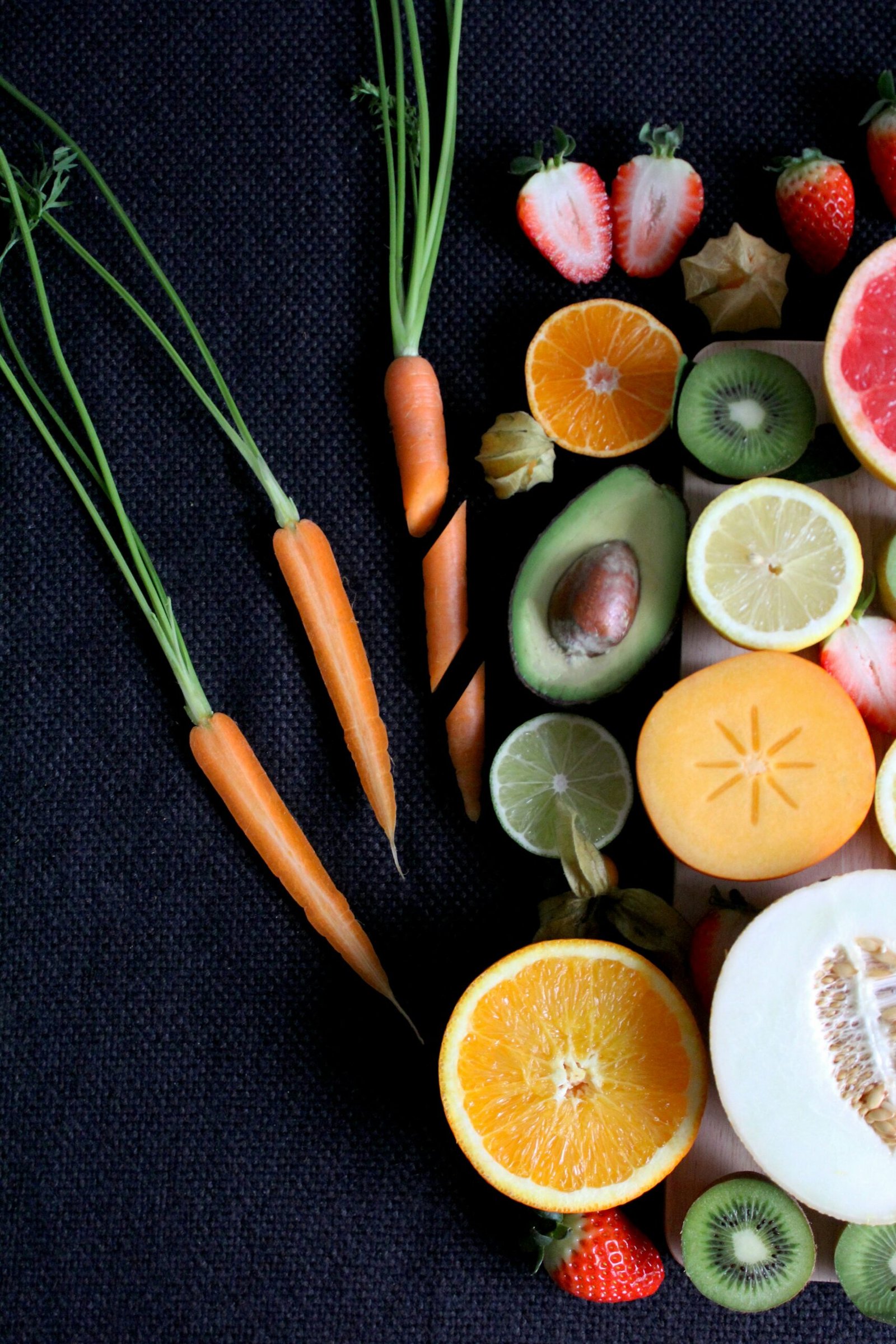
As the prevalence of NCDs rises, the urgency for implementing effective dietary guidelines increases. The World Health Organization (WHO) and the Food and Agriculture Organization (FAO) emphasize the necessity of adopting strategies that promote healthy eating. These recommendations aim to provide individuals with the knowledge needed to make informed food choices, ultimately leading to improved health outcomes. Implementing a balanced diet rich in fruits, vegetables, whole grains, and lean proteins is vital for reducing the risk of chronic diseases and maintaining a healthy weight.

Additionally, nutrition education plays a crucial role in addressing the current challenges posed by unhealthy dietary habits. Public health initiatives aimed at raising awareness about the significance of healthy diets can help individuals understand the importance of their food choices in preventing health issues. Communities that engage in education regarding balanced diets will likely witness a shift toward healthier eating habits, contributing to the overall reduction of NCD prevalence. In conclusion, fostering a deeper understanding of the impact of food on health is essential, as it empowers individuals and communities to recognize the importance of dietary choices in achieving long-term health benefits.

The Four Key Principles of a Healthy Diet

The Food and Agriculture Organization (FAO) and the World Health Organization (WHO) have established four fundamental principles that serve as guidelines for maintaining a healthy diet: adequacy, balance, moderation, and diversity. Adhering to these principles can significantly enhance one’s overall health and well-being.

Firstly, adequacy refers to ensuring that one’s diet provides all necessary nutrients and sufficient energy. This means consuming a variety of foods that can fulfill dietary requirements. For example, individuals should aim to include fruits, vegetables, whole grains, protein sources, and healthy fats in their meals. A practical tip is to use resources such as dietary guidelines or nutrition apps to monitor and ensure nutrient sufficiency in meals.

The second principle, balance, signifies the importance of proportionately consuming different food groups. Individuals should strive to incorporate an appropriate mix of carbohydrates, proteins, and fats into their daily meals. For instance, a balanced plate could consist of half vegetables, a quarter whole grains, and a quarter lean protein. This balance not only promotes good health but also supports weight management, as it encourages mindful eating habits.

Moderation is the third principle, which emphasizes the need to limit excessive intake of certain food types, particularly those high in sugars, salt, and unhealthy fats. Practical steps for moderation include being mindful of portion sizes and making conscious decisions about food choices. Dining out often presents challenges, but opting for smaller portions or sharing dishes can help reinforce this principle.

Lastly, diversity involves the inclusion of a wide range of foods in one’s daily diet. This principle encourages exposure to different nutrients and flavors, which can make meals more enjoyable and beneficial. Incorporating various fruits, vegetables, and grains can enhance nutrition while also preventing monotony in food choices. By consciously including diverse foods, individuals can significantly impact their long-term dietary habits.

Navigating Definitions of Healthy Eating

The concept of a healthy diet is multifaceted and can vary significantly based on individual perspectives and cultural contexts. Recent discussions by the Food and Agriculture Organization (FAO) and the World Health Organization (WHO) have sought to clarify these definitions, yet they also highlight how nuanced the interpretations can be. As scientific literature evolves, differing opinions often arise, leading to a complicated landscape where what constitutes a healthy eating pattern may seem ambiguous. This lack of consensus can foster confusion among the public, making it difficult for individuals to discern the most appropriate dietary choices for their health.

One of the key challenges in defining a healthy diet lies in the interpretation of nutritional guidelines and recommendations. Various studies present diverging results regarding food types and portions that should be consumed, resulting in mixed messages within both scientific circles and public narratives. For instance, the emphasis on certain food groups, such as whole grains, fruits, vegetables, and proteins, may not uniformly resonate with all demographic groups or individuals based on their unique nutritional needs and lifestyle factors. Consequently, what may be viewed as beneficial in one context might be perceived differently in another.

Moreover, the communication of healthy eating principles often lacks clarity, which can lead to misinterpretation. This makes it crucial for educators and health professionals to focus on disseminating accurate and comprehensive information about dietary patterns. The aim is to empower the public to make informed decisions regarding their food choices, thereby promoting collective health. Enhancing public understanding of healthy eating amidst conflicting views is imperative. By addressing these educational gaps, individuals are better equipped to navigate the complexities of healthy diets, ultimately fostering a society that values informed nutritional decision-making.

Global Efforts and the Future of Dietary Guidelines

In recent years, global initiatives aimed at promoting healthy diets have intensified, driven by the recognition of the importance of nutrition in achieving overall health and well-being. The meetings of significant organizations, such as the Committee on World Food Security and the Convention on Biodiversity held in Colombia, have emphasized the necessity of fostering collaboration among policymakers, stakeholders, and communities to address the myriad challenges surrounding food and nutrition security.

These gatherings serve as platforms to deliberate on the implementation of dietary guidelines that are not only accessible but also culturally relevant to diverse populations worldwide. Policymakers play a crucial role in establishing strategies that encourage healthy eating habits and ensure the availability of nutritious food options. Through these policies, there is a concerted effort to mitigate issues such as malnutrition, obesity, and diet-related diseases, creating an environment where nutritious food is prioritized.

Moreover, community engagement is vital in promoting healthy diets. Local groups and organizations are pivotal in disseminating information and resources that educate the public on the benefits of balanced nutrition. These initiatives aim to dismantle barriers that prevent individuals from accessing healthy food, particularly in underserved areas. By fostering a collaborative approach that includes all stakeholders—governments, non-profits, and the private sector—there is a greater chance of establishing sustainable food systems that promote long-term health benefits.

Looking forward, it is imperative that future efforts focus on integrating sustainability with health-promoting food choices. Innovations in food production, distribution, and consumption practices will be essential to ensure food security while also protecting the environment. By addressing these interconnected issues, we can move toward a future where healthy diets are accessible to everyone, regardless of geographical or socioeconomic barriers.

The Warm Embrace of Nutmeg: Elevating Your Fall Dishes

The Warmth of Fall Spices

As autumn arrives and the air turns crisp, the culinary traditions associated with this season come to the forefront. Fall spices play a crucial role in creating warmth and comfort in our meals, evoking feelings of nostalgia and celebration. Among these spices, nutmeg holds a significant place, celebrated for its aromatic profile that complements a wide array of dishes during this time of year.

The essence of nutmeg, with its distinctively warm and slightly sweet flavor, enhances not only sweet treats such as pies and puddings but also savory dishes like soups and stews. As the days shorten and temperatures drop, the use of such spices bridges the gap between our palettes and the changing seasons, providing a sense of comfort and indulgence. The incorporation of nutmeg into recipes often heralds the transition into holiday festivities, creating a sensory connection to cherished family traditions and communal gatherings.

Spices have long held psychological and cultural significance, particularly in autumn when their robust flavors offer solace against the cold. The warmth they impart goes beyond taste; it evokes memories and feelings associated with togetherness, gratitude, and celebration. Nutmeg, with its historical roots, is not merely a culinary ingredient but a reminder of the rich tapestry of harvest time, emphasizing abundance and sharing. As we gather with loved ones over meals seasoned with these comforting spices, we reaffirm our connections to culture and heritage.

In this season of reflection and gratitude, the role of fall spices, especially nutmeg, becomes a celebration of not only the senses but also the spirit of togetherness. The warmth and coziness they bring to our dishes encourage us to savor every bite, reminding us of the beauty of the changing seasons and the joy of coming together in a shared experience.

A Closer Look at Nutmeg: Origins and Uses

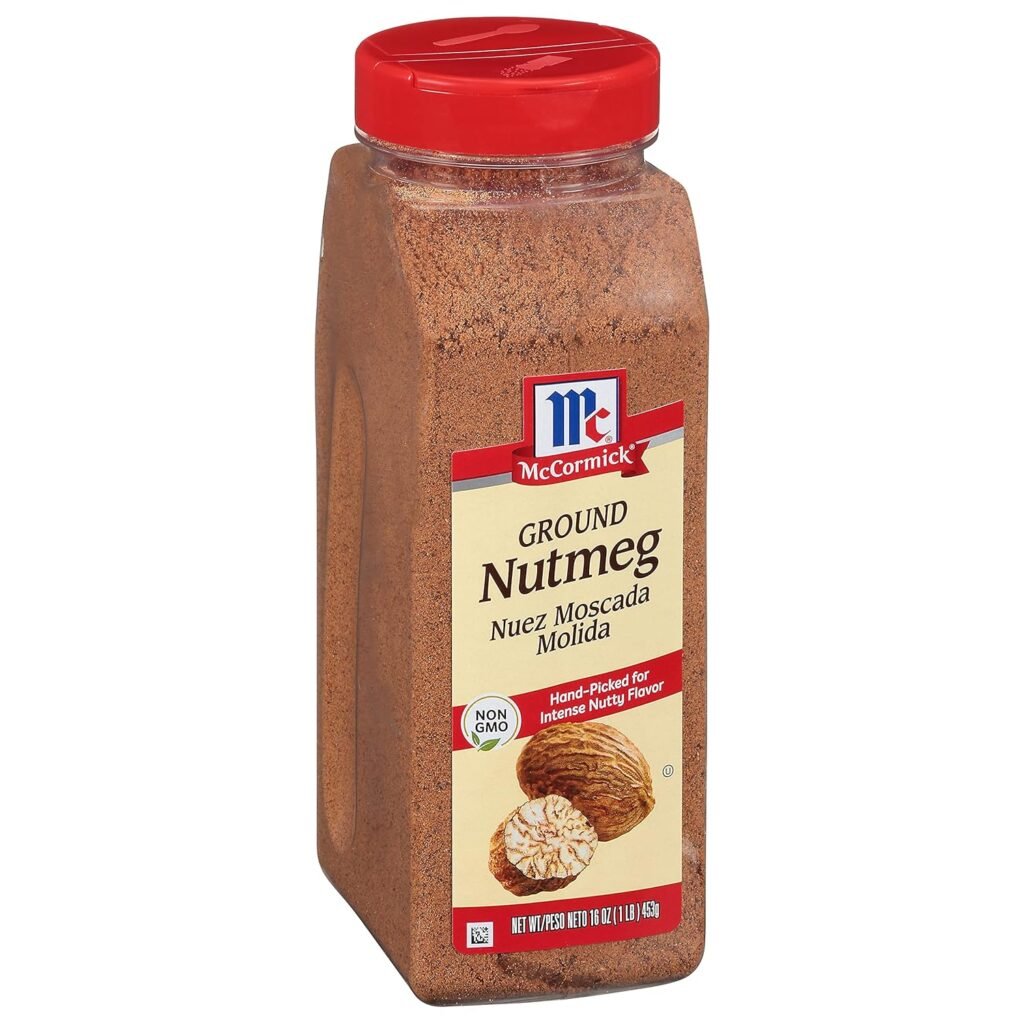
Nutmeg, a spice derived from the seed of the Myristica fragrans tree, has a rich history that traces back to the Spice Islands of Indonesia, particularly the Banda Islands. Its use can be documented as far back as the 16th century when it became a highly sought-after commodity in Europe. Cultivated primarily in tropical climates, modern production of nutmeg extends to other regions, including parts of the Caribbean and India. The nutmeg tree thrives in well-drained soil and requires a humid environment for optimal growth, which makes specific locales ideal for its cultivation.

In terms of botanical classification, nutmeg belongs to the family Myristicaceae. The tree can reach heights of up to 20 meters and produces yellow flowers that develop into fruit, resembling a small apricot. Inside the fruit, the seed is encased in a hard shell, which, when ground, produces the aromatic spice known as nutmeg. The spice is characterized by its warm, slightly sweet flavor profile, making it a versatile ingredient in culinary applications.

Nutmeg is immensely popular in both sweet and savory dishes, reflecting its adaptability. In sweet preparations, it is often found in pumpkin pies, apple crisps, and various baked goods, imparting a warm and comforting touch that epitomizes the fall season. Conversely, in savory recipes, nutmeg serves to enhance flavors in creamy sauces, soups, and even dishes featuring meats like pork and lamb. Its ability to complement and elevate ingredients renders nutmeg an essential spice in autumn cuisine, establishing its reputation as a key player among the spices that characterize this season.

Health Benefits of Nutmeg: A Flavorful Alternative

Nutmeg, derived from the seeds of the Myristica fragrans tree, is not only a cherished spice for its warm, aromatic flavor but also a potent contributor to health. This spice contains various bioactive compounds, including antioxidants, which help combat oxidative stress in the body. The unique properties of nutmeg make it a valuable addition to culinary practices, as it amplifies taste without incurring the drawbacks associated with excessive sugar or salt.

One of the notable health benefits of nutmeg is its potential to aid digestion. It has been traditionally used in various cultures as a remedy for gastrointestinal discomfort, such as bloating and indigestion. The active compounds in nutmeg stimulate gastric juices, encouraging the digestive process and enhancing nutrient absorption. Additionally, nutmeg possesses anti-inflammatory effects, which may contribute to reducing inflammation in the body, potentially benefiting individuals with chronic inflammatory conditions.

Dietitian Caroline Thomason advocates the use of nutmeg for its versatility and health benefits. She suggests incorporating nutmeg into everyday dishes, such as oatmeal, smoothies, and soups, to boost flavor without adding unneeded sugars. For those looking to reduce their sodium intake, nutmeg can be an ideal seasoning alternative, providing a depth of flavor reminiscent of warmth and comfort without the adverse effects of high-salt content.

Moreover, nutmeg is believed to have calming properties, which may aid in improving sleep quality. Its mild sedative effects can help in promoting relaxation, making it an excellent choice for evening meals. By embracing nutmeg in your fall recipes, you can enjoy a delicious culinary experience while significantly enhancing your well-being.

Risks and Recommendations

Nutmeg, a popular spice known for its warm and aromatic flavor, has been used in culinary practices for centuries. However, it is essential to recognize that while nutmeg can enhance a variety of dishes, consuming it in excessive amounts can pose significant health risks. The primary compound in nutmeg, myristicin, can lead to adverse effects when ingested in large quantities. It is worth noting that even small doses, when overconsumed, may lead to symptoms such as nausea, dizziness, and in severe cases, hallucinations or organ problems.

Nutrition experts often recommend moderation when incorporating nutmeg into your diet. The typical culinary use of nutmeg is quite safe, usually ranging from a pinch to a few teaspoons per recipe depending on its purpose. Most studies indicate that quantities exceeding two teaspoons of nutmeg can begin to evoke unwanted side effects. Therefore, for most recipes, maintaining a balance is key. To avoid overindulgence, one might consider using ground nutmeg instead of whole seeds, as the latter can be more potent and potentially lead to unintentional overconsumption.

To safely enjoy the distinct flavor of nutmeg, explore incorporating it into seasonal dishes such as pies, soups, and warm beverages in controlled amounts. Additionally, combining nutmeg with other spices such as cinnamon or ginger can not only enhance flavor but may also reduce the total amount of nutmeg needed in a dish. As always, it is advisable to listen to your body and adjust your intake accordingly, prioritizing a balanced approach to spice consumption. Ultimately, the key to enjoying nutmeg lies in its responsible use, ensuring your culinary experience remains both delightful and health-conscious.

Discovering Ube: The Vibrant Purple Yam Taking the Culinary World by Storm

Introduction to Ube

Ube, commonly referred to as purple yam, is a vibrant root vegetable that originates from the Philippines. This stunning tuber has captured the culinary world’s attention due to its striking, deep purple hue and its versatile nature. Traditionally used in Filipino desserts like halo-halo and ube halaya, this ingredient’s popularity has surged in recent years, transcending its geographical roots and finding a place in various international dishes.

The cultivation of ube dates back centuries, with its nutritional benefits and distinct flavor being cherished in Philippine culture. Unlike the more commonly known sweet potato, ube boasts a slightly nuttier taste with a hint of vanilla, making it a favorite for both sweet and savory applications. As chefs and home cooks alike explore the depths of global cuisine, ube’s unique flavor profile is being incorporated into everything from ice creams and pastries to more unconventional dishes like pizza and smoothies.

As ube continues to gain traction beyond its native territory, its culinary applications are diversifying. Chefs and food influencers are embracing this ingredient, showcasing how it can enhance both flavor and presentation. The journey of ube from humble roots in the Philippines to becoming a gastronomic favorite exemplifies the ever-evolving landscape of global cuisine.

History and Origins of Ube

Ube, scientifically known as Dioscorea alata, is a vibrant purple yam that has a rich history and cultural significance in Filipino society. This root vegetable is believed to have originated in Southeast Asia, particularly in the Philippines, where it has been cultivated for centuries. Historically, ube was not just a staple food but also an integral part of various cultural rituals and festivities, symbolizing prosperity and resourcefulness.

In traditional Filipino cuisine, ube is utilized in a variety of dishes, ranging from desserts to savory meals. It is often transformed into ube halaya, a sweet purple jam that forms the basis for many celebratory treats. The yam is also a common ingredient in popular desserts such as ube ice cream, cakes, and pastries, often enjoyed during festive occasions such as birthdays and holidays. Ube’s naturally sweet flavor and striking purple hue have made it a cherished component in local gastronomy, often evoking nostalgia among those who grew up enjoying these foods.

In recent decades, the global culinary landscape has seen a burgeoning interest in ube, with international chefs and food enthusiasts embracing its unique qualities. From being a local delicacy in the Philippines to captivating the palates of food lovers around the world, ube has carved its niche in various global culinary trends. This transformation can be attributed to a growing appreciation for ingredients that offer both aesthetic appeal and nutritional value. The yam, now available in diverse forms such as flour and powder, has sparked innovation in food preparation, allowing for a range of applications from baking to confectionery.

As ube continues its journey from a traditional Filipino ingredient to a globally recognized superfood, it showcases the intersection of culture, identity, and culinary creativity that shapes our understanding of food today.

What Does Ube Taste Like?

Ube, often referred to as purple yam, offers a unique flavor profile that captivates the senses. Its taste can be described as subtly sweet, with a creamy texture that makes it widely appealing. When incorporating ube into various dishes, one can note a gentle tickle of nuttiness that adds depth to its flavor. This distinctive sweetness is reminiscent of that found in other root vegetables, yet ube possesses an unmatched complexity that truly sets it apart.

The vibrant purple yam’s flavor can be likened to a combination of vanilla and a hint of coconut, creating a delightful experience on the palate. It also carries undertones of earthy notes which complement its sweetness remarkably well. When ube is used in desserts, the resulting dishes often showcase its flavor in a way that is both comforting and exciting. For instance, ube ice cream offers a rich, creamy texture that enhances the sweet yet mild essence of the yam.

In the context of savory dishes, ube lends itself well to unexpected pairings. Its flavor can balance the richness of meats and the acidity of citrus, making it a versatile ingredient in various culinary applications. Whether boiled, mashed, or used in pastries, ube maintains its signature taste while adapting to different combinations and preparations.

In addition to its taste, the visual appeal of ube can greatly enhance the overall sensory experience. The striking purple hue not only entices the eyes but also invites curiosity about its flavor. Many who first encounter this unique ingredient often report an explosion of flavor that can only be described as delightful and wholesome. Ube undoubtedly reveals a remarkable taste journey that is transforming the culinary landscape, offering something both extraordinary and familiar for diners to enjoy.

Ube vs. Taro: Understanding the Difference

Ube and taro are two root vegetables often confused due to their similar appearances, yet they possess distinct characteristics that set them apart. Ube, scientifically known as Dioscorea alata, is a vibrant purple yam primarily found in Asian cuisine. Its striking color is immediately eye-catching and can transform dishes into visually stunning creations. Taro, or Colocasia esculenta, is recognized for its light purple to beige skin with a starchy, off-white interior that exhibits a more muted hue compared to ube.

The flavor profiles of ube and taro diverge considerably. Ube exhibits a mildly sweet flavor reminiscent of vanilla or coconut, making it ideal for desserts and sweet dishes. Its natural sweetness enhances baked goods, ice creams, and even beverages. Conversely, taro has a more earthy flavor, accompanied by nutty undertones. This characteristic makes taro a popular choice for savory applications such as soups, stews, and various Asian dishes where it complements other ingredients without overwhelming their flavors.

Nutritionally, both ube and taro deliver impressive health benefits. Ube is rich in antioxidants, particularly anthocyanins, which contribute to its vibrant color and promote overall health. It also contains essential vitamins and minerals including Vitamin C, potassium, and fibers that support digestion. Taro is abundant in dietary fiber, providing digestive health benefits as well, along with Vitamin E, magnesium, and phosphorus. While both root vegetables are nutritious, the specific vitamins and minerals vary slightly, catering to different dietary needs.

In terms of culinary uses, ube is cherished in desserts like ube halaya and ube cheesecake, while taro can be found in savory dishes like taro dumplings and bubble tea. Understanding these differences enhances appreciation for both root vegetables, guiding culinary enthusiasts in selecting the right ingredient for their recipes.

Culinary Uses of Ube

Ube, known scientifically as Dioscorea alata, is a tuber that has captured the attention of chefs and food enthusiasts alike, largely due to its striking purple hue and subtle sweetness. This versatile root vegetable is not only a staple in Filipino cuisine but has also been embraced globally across various culinary contexts. Its creamy texture and vibrant color make it an ideal ingredient for both traditional dishes and innovative creations.

In traditional Filipino cooking, ube is commonly used in desserts. One of the most celebrated examples is ube halaya, a sweetened purple yam jam that serves as both a standalone treat and a topping for other delicacies. Ube is also a key ingredient in classic sweets such as leche flan, where it is often layered for visual appeal and flavor enhancement. Furthermore, ube is incorporated into popular Filipino pastries like ube pandhi or ube cupcakes, offering a delightful twist on familiar favorites.

The contemporary culinary landscape has seen ube take on new forms, particularly in cafes and restaurants. It is now featured in a variety of desserts, including ube ice cream, where its natural sweetness is accentuated by creaminess, providing a refreshing treat. In addition to desserts, ube lattes have gained immense popularity, combining the earthy flavor of the yam with espresso and steamed milk, creating a visually striking and flavorful beverage. Ube has also made its way into cakes and pastries, marrying well with flavors such as chocolate or coconut, appealing to a broader audience.

This adaptability has solidified ube’s place within the culinary world, inviting chefs to experiment and showcase the yam in innovative ways. With its increasing popularity, it’s clear that ube is not just a passing trend; it is an ingredient poised to remain in vogue, inspiring creativity in both traditional and modern kitchens worldwide.

Where to Find Ube

Finding ube, the vibrant purple yam, can be a delightful quest for culinary enthusiasts. This unique ingredient is increasingly available in various forms, such as fresh ube, ube powder, and extracts, reflecting its growing popularity in kitchens around the world. The first place to start is at local grocery stores, particularly those that cater to diverse communities. Many Asian markets often stock fresh ube, making them ideal for sourcing the whole tubers.

When searching for ube in its fresh form, inquire at the produce section of these markets. Not all general grocery stores may carry ube regularly, but those in areas with significant Filipino or Asian populations typically provide it. If you do not find it at your local store, try checking specialty stores or even farmer’s markets, which may sometimes feature unique produce items seasonally.

For those who prefer ube in a more processed format, ube powder and extracts are available at health food stores or online retailers. Websites specializing in Asian ingredients often have a wider selection compared to local supermarkets. Shopping online allows you to explore various brands and forms of ube, ensuring access to quality products. It is advisable to check product reviews and ratings to gauge their authenticity and flavor profile.

While purchasing, look for vibrant purple coloring, as this indicates freshness and quality. When buying ube powder, verify that it is pure and free from additives for the best culinary results. In summary, whether exploring your local Asian market or browsing online, opportunities to discover and incorporate ube into your dishes are abundant, satisfying any culinary curiosity around this vivid and flavorful ingredient.

Ube Festivals and Cultural Significance

Ube, the vibrant purple yam, holds a special place in Filipino culture, representing more than just a culinary delight. This tuber has deep roots in the celebrations and traditions of the Philippines, showcasing the rich heritage and artistry of Filipino life. From festive gatherings to annual food fairs, ube has become a symbol of community, unity, and shared history.

One of the most notable events celebrating ube is the Long Beach Ube Festival in California, which has gained popularity among Filipinos and food enthusiasts alike. This festival not only honors ube but also highlights its versatility in various recipes, such as traditional ube halaya, cakes, ice creams, and even modern fusion dishes. The festival brings together vendors, artists, and performers, creating an atmosphere of joy and cultural exchange, which reinforces the sense of community among attendees. Participating in the Long Beach Ube Festival provides a unique opportunity to experience the cultural significance of ube while enjoying a variety of culinary offerings.

Beyond food festivals, ube is often featured in family gatherings, holidays, and special occasions in the Philippines. It symbolizes prosperity, abundance, and creativity, making it an essential ingredient in celebrations like birthdays, Christmas, and New Year’s festivities. In many Filipino families, the preparation of ube desserts is a cherished tradition, passed down through generations. This process of cooking and sharing ube dishes fosters connections among family members, bridging the gap between the past and present.

In essence, ube is more than just a flavorful ingredient; it embodies the spirit and resilience of Filipino culture. Through events like the Long Beach Ube Festival and the traditions surrounding its use in everyday life, ube continues to unite communities and celebrate the rich tapestry of Filipino culture, ensuring that its vibrant legacy endures for future generations.

Tips for Cooking and Baking with Ube

Incorporating ube into your home cooking and baking can elevate your dishes with its unique flavor and vibrant color. To begin, it is essential to choose the right ube, which can often be found in Asian grocery stores. Look for firm, unblemished roots with a rich purple hue. Fresh ube can be stored in a cool, dry place for several weeks, while cooked ube can be refrigerated for up to a week or frozen for longer storage.

Preparation is a critical step when working with ube. First, thoroughly wash the yam to remove any dirt. You can peel it using a vegetable peeler; however, for a smoother blend, it is recommended to boil the ube first. Cooking methods include boiling, roasting, or steaming. Boiling takes approximately 30 minutes, while roasting may require about an hour. Once cooked, the ube should be tender and easy to mash, which is perfect for creating purees or integrating into batters.

When baking with ube, consider its unique flavor profile that pairs well with coconut, milk, or chocolate. Ube’s natural sweetness can enhance desserts like cakes, brownies, and cookies. For a delectable ube cake, mix the mashed ube with your standard cake batter, replacing a portion of flour to maintain moisture. Additionally, combining ube with citrus flavors, such as lemon or lime, can add a refreshing contrast, showcasing its versatility.

It is also worth exploring ube in savory dishes. Incorporating it into soups, stews, or even as a side dish can add a delightful touch. Don’t hesitate to utilize ube in fusion cuisine as well. Blending ube with traditional recipes can surprise and delight guests, making any meal memorable. With these practical tips, you can confidently add ube to your culinary repertoire, creating visually stunning and delicious dishes that celebrate this vibrant purple yam.

The Future of Ube in Global Cuisine

As the culinary world evolves, ube emerges as a key player, showcasing its versatility and vibrant appeal in a myriad of dishes beyond traditional Filipino cuisine. This striking purple yam has captivated chefs and home cooks alike, gaining popularity not only for its unique flavor but also for its bold color, which creates visually stunning presentations. Ube’s adaptability lends itself to a wide range of culinary applications, from desserts to savory dishes, making it an ingredient that transcends cultural boundaries.

The increasing trend of incorporating ube into various cuisines highlights a broader acceptance and appreciation of global flavors. As more people discover the delightful taste and health benefits of ube, it stands poised to become a staple ingredient in many kitchens around the world. Innovative culinary minds are finding ways to incorporate ube in unexpected contexts, such as lattes, pancakes, and even savory sauces, thus expanding its usage far beyond its traditional roots.

Moreover, with the rise of social media and food blogs, the allure of ube continues to spread, inspiring food enthusiasts to experiment and share their experiences. Home cooks can explore the enchanting qualities of ube, either through recipes they create themselves or by trying out dishes featuring this exquisite ingredient at restaurants. This shared passion for culinary exploration not only fosters a community but also encourages the fusion of flavors and traditions that continue to shape the future of global cuisine.

In conclusion, the burgeoning popularity of ube signifies its potential as a prominent ingredient in kitchens worldwide. Whether you’re a seasoned chef or a curious cook, exploring ube in your own culinary adventures can lead to delightful discoveries that enrich your cooking experience. Embrace the charm of this vibrant yam, experiment with its versatility, and savor the enchanting flavors it brings to your table.

10 Surprising Health Benefits of Pumpkins: Why You Should Keep Them in Your Diet Year-Round

Introduction to Pumpkins

Pumpkins are a fascinating member of the cucurbitaceae family, which also includes other well-known fruits such as cucumbers and squashes. Often celebrated for their striking orange hue and unique shape, pumpkins are most popularly associated with the autumn season, particularly during Halloween and Thanksgiving in many cultures. However, these vibrant fruits offer a range of health benefits that extend far beyond their seasonal appeal and are deserving of year-round incorporation into dietary practices.

A common misconception surrounding pumpkins is that they are vegetables; in fact, they are botanically classified as fruits. This classification arises from their growth and development from the flower of the plant, containing seeds, which is characteristic of all fruits. Understanding this distinction helps in appreciating the nutritional prowess of pumpkins. They are not only versatile in culinary usage but also rich in essential nutrients, providing a plethora of health advantages.

Including pumpkin in your daily diet can be beneficial at any time of the year. The fruit is low in calories, yet high in dietary fiber and antioxidants, which contribute to digestive health and can assist in maintaining a healthy weight. Seasonal recipes often spotlight pumpkin, exploiting its rich flavor and nutritional profile; however, the benefits of this superfood are not confined to fall-themed dishes. Integrating pumpkin into your meals throughout the entire year can enhance both taste and nutrition in creative ways.

In conclusion, recognizing pumpkins as a valuable dietary staple can help shift the perspective of consumers and encourage broader use of this highly nutritious fruit. Embracing pumpkins beyond their seasonal notoriety will not only diversify the diet but also promote various health benefits, ultimately leading to a more balanced and health-conscious lifestyle.

Pumpkin and Immune Function

Pumpkins are not only a delightful addition to various recipes, but they also play a significant role in supporting immune health. One of the primary components contributing to this benefit is the high concentration of vitamin A found in pumpkin. Vitamin A is essential for the development and function of white blood cells, which are crucial for the immune system’s ability to combat infections. White blood cells, including lymphocytes and phagocytes, rely on sufficient levels of vitamin A to function optimally, ensuring a robust defense against pathogens.

According to registered dietitians, incorporating pumpkin into your diet can be a strategic choice for maintaining immune function. Just one cup of cooked pumpkin provides an impressive amount of vitamin A, meeting the daily recommended intake for most adults. This makes pumpkin an excellent option for those looking to boost their nutritional profile while enjoying the flavors of the season.

Furthermore, the carotenoids present in pumpkin, particularly beta-carotene, also contribute to its immune-enhancing properties. Carotenoids are powerful antioxidants that neutralize free radicals and reduce oxidative stress, further strengthening the immune response. The consumption of pumpkin, therefore, offers a double benefit: a direct supply of vital nutrients for immune cell production and a secondary layer of protection against oxidative damage.

In summary, ensuring adequate intake of vitamin A through pumpkin consumption can distinctly improve immune function. Regularly including this vibrant orange vegetable in your meals not only satisfies culinary desires but also fortifies your body’s defenses, promoting better overall health year-round. Embracing pumpkin as a staple in your diet can lead to lasting benefits, empowering your immune system to thrive.

Vision Health Benefits of Pumpkin

Pumpkin is a nutritional powerhouse, especially when it comes to supporting vision health. One of the key components found in pumpkin is vitamin A, a vital nutrient known for its critical role in maintaining healthy vision. Vitamin A assists in the production of retinal pigments, specifically rhodopsin, which is essential for low-light and color vision. A deficiency in this important vitamin can lead to various vision-related issues, including night blindness.

Moreover, pumpkins are rich in carotenoids, particularly beta-carotene, which the body converts into vitamin A. Carotenoids are natural pigments found in many fruits and vegetables, and they possess antioxidant properties that help protect the eyes from oxidative stress. This oxidative stress, caused by free radicals, can contribute to age-related macular degeneration (AMD) and cataracts, two common eye disorders that can impair vision as we age.

Research indicates that regular consumption of pumpkins and other carotenoid-rich foods can significantly lower the risk of developing these eye conditions. Health experts recommend incorporating pumpkin into one’s diet not only for its delicious flavor but also for its visual health benefits. Whether enjoyed in soups, pies, or as roasted seeds, promoting a diet that includes pumpkin can help individuals maintain optimal eye health over the long term.

Furthermore, the vibrant orange hue of pumpkin indicates a strong presence of various phytochemicals that contribute to overall eye health. These compounds may work synergistically to enhance the protective effects offered by vitamin A. As a result, including this seasonal food in your diet can serve as a simple yet effective strategy for preserving sight and preventing vision loss.

Antioxidant Properties of Pumpkins

Pumpkins are not only a seasonal favorite but also a powerhouse of antioxidants, which are crucial for maintaining optimal health. Among the prominent antioxidants found in pumpkins are vitamins A, C, and E. These nutrients play a significant role in combating oxidative stress, a condition that arises from an imbalance between free radicals and antioxidants in the body. By neutralizing free radicals, the antioxidants present in pumpkins can help reduce inflammation and the risk of chronic diseases.

Vitamin A, predominantly found in the form of beta-carotene in pumpkins, is vital for immune function, vision, and skin health. Once ingested, beta-carotene is converted into active vitamin A in the body, which is known for its protective effects on the eyes and its potential to decrease the risk of age-related macular degeneration. Additionally, the vibrant orange color of pumpkins signifies their rich beta-carotene content, making them an excellent choice for those keen on improving their antioxidant intake.

Vitamin C, another significant antioxidant in pumpkins, is vital for the growth and repair of tissues, along with its prominent role in boosting the immune system. This vitamin also aids in the production of collagen, promoting skin health and elasticity. A diet rich in vitamin C can reduce the likelihood of developing heart disease by improving blood vessel function and lowering blood pressure.

Moreover, vitamin E serves as a powerful antioxidant that supports heart health and immune function. Its anti-inflammatory properties contribute to the reduction of oxidative damage in cells and tissues, which may lower the risk of certain cancers and heart disease. The synergistic effect of these antioxidants in pumpkins highlights their classification as a superfood, warranting a year-round inclusion in one’s diet for optimal health benefits.

Pumpkin Seed Oil for Skin Health

Pumpkin seed oil, derived from the seeds of the pumpkin, is increasingly recognized for its considerable benefits to skin health. Rich in essential fatty acids, antioxidants, and vitamins, this oil serves as a potent elixir for maintaining youthful and vibrant skin. Notably, the presence of vitamin E in pumpkin seed oil plays a crucial role in skin rejuvenation and protection. Vitamin E is a powerful antioxidant that combats free radicals—unstable molecules that can damage skin cells and accelerate the aging process.

Regular application of pumpkin seed oil can help improve skin firmness and elasticity, reducing the appearance of fine lines and wrinkles. The natural moisturizing properties of the oil help in maintaining the skin’s hydration, giving it a plump and healthy appearance. Furthermore, this oil possesses anti-inflammatory properties, making it an excellent option for soothing irritated or inflamed skin.

Another significant benefit of pumpkin seed oil is its ability to support overall skin tone and texture. The oil’s nutrients promote cellular regeneration, allowing for the growth of new skin cells while shedding dead ones. As a result, individuals may notice a more even skin tone and a reduction in discoloration or blemishes.

Additionally, the phytosterols found in pumpkin seed oil may aid in enhancing skin barrier function, which protects against environmental pollutants and harmful UV rays. These factors contribute to the skin’s overall health, ensuring it remains resilient in the face of external stressors. Incorporating pumpkin seed oil into a daily skincare regimen can lead to visibly healthier skin, showcasing the profound impact this natural ingredient can have on skin health.

Maintaining Healthy Blood Pressure with Pumpkin

Maintaining healthy blood pressure is essential for overall well-being, and incorporating pumpkin into one’s diet can play a significant role in this process. One of the standout qualities of pumpkin is its high potassium content, a mineral renowned for its ability to help regulate blood pressure levels. Potassium works by balancing sodium levels in the body; it helps mitigate the adverse effects sodium has on the cardiovascular system, thereby promoting a healthy heart and preventing hypertension.

Numerous studies suggest that diets rich in potassium can lead to improved arterial function and reduced blood pressure. Considering the fact that pumpkin is an excellent source of this essential mineral, regularly including it in your meals can be a practical step toward enhancing your heart health. It’s worth noting that the body cannot produce potassium naturally, which necessitates its intake through diet. Thus, pumpkins can serve as an effective and delicious option for individuals seeking to manage their blood pressure.

There are various easy ways to incorporate pumpkin into a health-conscious diet. For instance, adding roasted pumpkin to salads or soups can enhance flavor while delivering essential nutrients. Alternatively, pumpkin puree can be blended into smoothies or oatmeal, providing a nutritious and filling breakfast option. Baking with pumpkin, such as in muffins or breads, can also be a delightful way to enjoy the vegetable while reaping its health benefits.

In recognizing the multi-faceted benefits of pumpkin, it becomes evident that maintaining healthy blood pressure through dietary choices is not only feasible but also enjoyable. By prioritizing potassium-rich foods like pumpkin, individuals can take meaningful steps towards better heart health and overall wellness.

Additional Nutritional Benefits of Pumpkins

Pumpkins are not just a seasonal favorite; they come packed with an array of nutrients that contribute significantly to a well-rounded diet year-round. One of the outstanding features of pumpkin is its high fiber content, which plays a crucial role in maintaining digestive health. A diet rich in fiber is essential in promoting regular bowel movements, preventing constipation, and supporting a healthy gut microbiome. Moreover, the fiber in pumpkin aids in weight management by promoting a feeling of fullness, thereby potentially reducing overall calorie intake.

When it comes to caloric value, pumpkins are remarkably low in calories, making them an ideal choice for those looking to maintain or lose weight. A single cup of cooked pumpkin contains only about 50 calories, allowing individuals to enjoy its rich flavor and health benefits without the worry of excess caloric consumption. This low-calorie profile, combined with its nutrient density, makes pumpkin a popular ingredient among health-conscious individuals.

Furthermore, pumpkins are a rich source of essential vitamins and minerals. They are particularly high in vitamin A, which is vital for maintaining healthy vision, immune function, and skin health. In addition to vitamin A, pumpkins contain a variety of other nutrients, including potassium, which is important for maintaining healthy blood pressure levels, and magnesium, which plays a role in various biochemical reactions in the body.

Incorporating pumpkin into one’s diet can also provide an abundance of antioxidants, notably beta-carotene, which gives the vegetable its vibrant orange hue. These compounds not only contribute to overall health but also help in combating oxidative stress. The numerous nutritional benefits of pumpkins reinforce the idea that this versatile vegetable should be a staple in any diet.

Ways to Incorporate Pumpkins into Your Diet

Pumpkins are not only rich in nutrients but also versatile, making them an excellent addition to a variety of dishes throughout the year. One of the simplest ways to enjoy this fruit is by incorporating pumpkin puree into your morning smoothies. Blend it with bananas, spinach, and your choice of milk for a creamy, nutrient-packed breakfast that will provide a good source of vitamins A and C, antioxidants, and dietary fiber.

Soups also present a wonderful opportunity to include pumpkin. A creamy pumpkin soup can be made by sautéing onions and garlic, adding diced pumpkin, vegetable broth, and spices like nutmeg or cinnamon. This comforting dish not only warms you up on chilly days but also boasts significant health benefits thanks to the pumpkin’s rich nutrient profile. Moreover, you can enhance any soup by adding roasted pumpkin seeds as a crunchy topping, thereby elevating the dish’s nutritional value.

Baking is another method to enjoy pumpkins. Pumpkin bread and muffins are delightful treats that combine the natural sweetness of pumpkins with whole grains, spices, and nuts. These baked goods can serve as a wholesome snack or breakfast option, easily made healthier by substituting refined sugar with alternatives like honey or maple syrup.

For those who prefer savory dishes, pumpkin can be roasted and added to salads or served as a side dish. Simply toss cubes of pumpkin with olive oil, salt, and pepper, roast until tender, and enjoy a delicious, healthy complement to your meal. Additionally, consider adding pumpkin to pasta sauces or curries to enhance flavor and nutritional content.

By experimenting with these various cooking methods, you can easily incorporate pumpkins into your diet throughout the year, taking full advantage of their health benefits and unique taste.

Conclusion: Embracing Pumpkins Year-Round

Throughout this blog post, we have explored the numerous health benefits of pumpkins, demonstrating why they deserve a permanent place on our plates beyond the autumn months. These vibrant and nutritious fruits offer a wealth of advantages, from their rich nutrient profile to their versatility in culinary applications. Pumpkins are rich in vitamins A and C, which play an essential role in boosting immune function and promoting overall health. Their high fiber content also supports digestive health, making them an excellent addition to a well-balanced diet.

Moreover, the antioxidants present in pumpkins, such as beta-carotene, contribute to reducing the risk of chronic diseases and promoting heart health. Including pumpkin seeds, which are packed with essential fatty acids and minerals, can further enhance the nutritional profile of your meals. These seeds can also provide benefits such as improved prostate health and increased magnesium levels, making them a valuable yet often overlooked component of this remarkable fruit.

In addition to their health benefits, pumpkins are remarkably versatile. They can be incorporated into a variety of dishes, from soups and salads to smoothies and baked goods, allowing for a wide range of culinary creativity. Their subtle sweetness makes them a favorite in both savory and sweet recipes, catering to diverse taste preferences.

As we have highlighted, the potential health advantages of embracing pumpkins year-round are significant. Integrating this nutrient-dense fruit into your diet not only supports your overall well-being but also allows you to enjoy its delightful flavors across various meals and snacks. Therefore, it is encouraged to make pumpkins a staple in your diet, celebrating their goodness throughout the year for enhanced nourishment and wellness.

Understanding the Supplemental Nutrition Assistance Program (SNAP)

What is SNAP and How Does It Work?

The Supplemental Nutrition Assistance Program (SNAP) serves as a critical resource for millions of low-income households across the United States. Administered by the U.S. Department of Agriculture (USDA), SNAP aims to alleviate hunger and promote food security by providing financial assistance to purchase nutritious food. The program acts as a safety net, helping ensure that families can access the essentials needed for a healthy diet.

To participate in SNAP, individuals and families must meet specific income eligibility criteria, which are adjusted annually to reflect changes in the cost of living. These criteria take into account household size and other factors. Eligible participants receive SNAP benefits, which are calculated based on their income and allowable expenses, thereby ensuring that the assistance corresponds to their financial needs. The funding for SNAP comes from federal sources, underscoring its role as the largest federal nutrition assistance initiative available.

An important transition within SNAP has been the move from traditional paper food vouchers to the more efficient Electronic Benefits Transfer (EBT) system. This modernized approach allows beneficiaries to receive their assistance on a prepaid debit card, making it easier for users to purchase eligible food items at participating retail stores. The EBT system has not only streamlined transactions but also reduced the stigma often associated with using food assistance. Through EBT, beneficiaries have greater flexibility and privacy when purchasing groceries, thus enhancing their overall shopping experience.

SNAP plays a vital role in supporting low-income families. By providing accessible resources for purchasing nutritious food, it contributes significantly to public health and overall community well-being. The program not only helps alleviate immediate food insecurity but also fosters long-term health benefits for participants, highlighting its essential function in American society.

Eligibility Criteria for SNAP Benefits

The Supplemental Nutrition Assistance Program (SNAP) provides essential nutritional assistance to eligible individuals and families in the United States. To qualify for these benefits, certain eligibility criteria must be met. Understanding these requirements can help applicants navigate the process more effectively.

One of the primary factors in determining eligibility for SNAP is the household income. SNAP operates under income limits, which are adjusted annually based on the federal poverty level. Generally, to qualify, a household’s gross income must be at or below 130% of the federal poverty guideline. It’s important to note that income includes not only wages but also various forms of assistance, such as unemployment benefits and Social Security. Households that exceed this income threshold are typically ineligible for SNAP assistance.

In addition to income, the size of the household plays a crucial role in determining SNAP eligibility. The criteria consider the total number of individuals residing in the household. For example, a larger family may have a higher income limit compared to a single-person household. This is designed to ensure that benefits are allocated equitably based on family structure and needs.

Moreover, the availability of savings and resources is another factor that can affect eligibility. SNAP rules stipulate that households must have a certain amount of resources, including cash savings and funds in bank accounts, which should not exceed specified limits. These limits vary depending on the household composition and circumstances, such as whether an individual has a disability or is over the age of 60.

Ultimately, a comprehensive assessment of these criteria, including household income, size, and available resources, will determine eligibility for the Supplemental Nutrition Assistance Program. Understanding these factors is crucial for those looking to apply for SNAP benefits and ensures that assistance is provided to those who genuinely need it.

Version 1.0.0

What Can and Cannot Be Purchased with SNAP Benefits?

The Supplemental Nutrition Assistance Program (SNAP) is designed to assist individuals and families in acquiring nutritious food. Thus, it has specific regulations governing what beneficiaries can purchase using their benefits. The primary focus is on ensuring that the assistance provided contributes directly to healthier dietary choices.

Eligible food items primarily include fruits, vegetables, meats, poultry, fish, dairy products, breads, cereals, and seeds or plants that produce food for consumption. For instance, a SNAP recipient can utilize their benefits to purchase fresh produce or frozen meats, which contribute to a balanced diet. Additionally, they can buy a variety of bread and cereal products, ensuring they have access to staple foods that are vital for nutritional well-being.

However, there are strict limitations on non-food items and certain food products that cannot be purchased with SNAP benefits. Items such as tobacco products, alcohol, and any non-food items like household supplies and personal care items fall outside the scope of eligible purchases. For example, a recipient cannot use their benefits to buy beer or cigarettes, ensuring that the program’s focus remains solely on improving nutritional intake.

Furthermore, prepared foods intended for immediate consumption are generally ineligible, which means that hot foods from a restaurant or deli cannot be purchased. In contrast, grocery items that can be cooked at home or assembled into meals are permitted. SNAP also does not cover vitamins, supplements, or medically prescribed foods, as these items are considered outside of the program’s intended scope for improving dietary consumption.

With an understanding of what items meet SNAP eligibility, participants can better utilize their benefits to maximize their nutritional intake, ultimately supporting better health outcomes for themselves and their families.

The Impact of SNAP on Families and Communities

The Supplemental Nutrition Assistance Program (SNAP) plays a vital role in supporting families across the United States by addressing food insecurity and improving overall public health. By providing families with financial assistance to purchase nutritious food, SNAP directly impacts their ability to maintain a balanced diet. This program is essential, especially for low-income households, as it enables access to healthy food options that may otherwise be financially unfeasible. As a result, families that benefit from SNAP are more likely to experience improved health outcomes and better nutrition.

Beyond individual households, the broader implications of SNAP extend to reinvigorating local economies. When families receive SNAP benefits, they often purchase groceries at local markets and supermarkets that accept Electronic Benefit Transfer (EBT) cards. This influx of money supports grocery stores and local farmers, ultimately helping to create jobs and stabilize the economy within the community. Research indicates that each dollar spent through SNAP generates as much as $1.73 in economic activity, showcasing the program’s multiplier effect.

Moreover, SNAP’s impact on communities also touches on the issues of public health. Food insecurity is closely linked to a range of health problems, including obesity, diabetes, and cardiovascular diseases. By alleviating these concerns, SNAP contributes to healthier communities overall. Its effectiveness in providing consistent access to nutritious food options underscores its significance in fighting hunger. Additionally, community programs and organizations often coordinate with SNAP to facilitate education on nutrition and healthy eating practices, further enhancing the program’s benefits.

In essence, SNAP serves as a crucial lifeline that bolsters both families and communities. Its role in reducing food insecurity, promoting public health, and stimulating local economies reflects its profound implications. Through its multifaceted benefits, SNAP ensures that individuals and families can focus on thriving, rather than merely surviving.

The Ultimate Guide to Enjoying Brussels Sprouts in the Fall

The Underrated History of Brussels Sprouts

Brussels sprouts, while now celebrated as a healthful addition to the diet, have experienced a tumultuous journey throughout history. Originating in Belgium in the 16th century, the cultivation of these small cabbage-like vegetables began to gain popularity in Europe. By the 18th century, they had made their way to France, where they were embraced by local cuisine. However, it wasn’t until they reached British gardens that their significance in the European diet truly heightened, particularly during the colder months when fresh produce was scarce.

Despite their rich history, Brussels sprouts struggled with a negative reputation, particularly among children. The intense, somewhat bitter taste and distinct aroma when cooked led to a widespread aversion. Many children would actually turn their noses up at Brussels sprouts, often resulting in mealtime confrontations. This perception persisted for decades, with sprouts often relegated to the status of an unwanted vegetable on many dinner plates.

Culturally, Brussels sprouts are significant in various culinary traditions. In Belgium and nearby regions, they are commonly enjoyed as a winter fare, appreciated for their nutritional content. Over time, however, the advent of new culinary trends and innovative cooking methods has prompted a transformation in how these vegetables are perceived. Chefs began to incorporate Brussels sprouts into gourmet dishes, highlighting their versatility and encouraging people to explore new flavors. Techniques such as roasting and sautéing have helped to elevate their status, resulting in their inclusion in modern diets.

As concerns about nutrition have grown, Brussels sprouts have reclaimed their position in a healthy diet, with a wealth of vitamins and nutrients contributing to their newfound popularity. Today, they symbolize a shift in how vegetables are appreciated, proving that changes in culinary landscape can alter perceptions over time. In conclusion, the journey of Brussels sprouts from a misunderstood vegetable to a sought-after, flavorful addition to many diets is a testament to the evolving relationship between food and culture.

Nutritional Benefits of Brussels Sprouts

Brussels sprouts are not only a delicious addition to any fall diet, but they are also packed with an impressive array of nutrients that provide numerous health benefits. These small, green cruciferous vegetables are particularly rich in vitamins C and K, offering a potent combination that supports various bodily functions. Vitamin C is essential for collagen synthesis, acting as an antioxidant to fight free radicals, while vitamin K plays a critical role in bone health and blood clotting.

The fiber content in Brussels sprouts is another significant aspect of their nutritional profile, contributing to digestive health and promoting feelings of fullness. A diet high in fiber is associated with improved gut health, as it helps facilitate regular bowel movements and nourishes beneficial gut bacteria. Nutritionists emphasize that incorporating Brussels sprouts into one’s meal plans can aid in maintaining a healthy digestive system, ultimately supporting overall well-being.

Additionally, Brussels sprouts contain various antioxidants, including glucosinolates, which have been linked to reducing the risk of chronic diseases such as cancer. These compounds work by combating inflammation and supporting the body’s defense mechanisms. Furthermore, the presence of other nutrients such as folate and manganese adds to their appeal as a nutrient-dense food in a balanced diet.

Dietitians often recommend Brussels sprouts as an excellent choice for those seeking to enhance their immune system due to their high vitamin content and disease-fighting properties. Including Brussels sprouts in your diet can not only promote gut health but also serve as a protective measure against chronic illnesses, making them a valuable component of healthy eating patterns.

Seasonal Cooking: How to Prepare Brussels Sprouts Right

Brussels sprouts are a delightful addition to any autumn diet, showcasing their peak seasonality and rich flavors as the weather cools. Proper preparation can elevate these nutritious vegetables from ordinary to exceptional. One popular method is roasting, which caramelizes the natural sugars in the sprouts, enhancing their taste. To roast, preheat your oven to 400°F (200°C), trim the ends, and halve them. Toss the Brussels sprouts in olive oil, salt, pepper, and your choice of herbs. Roasting for 20-30 minutes, until they are golden brown, results in a crispy outer layer that contrasts beautifully with their tender interior.

Sautéing is another effective cooking method that allows for quick preparation while maintaining flavor and texture. Heat a skillet over medium-high heat, add a small amount of oil, and toss in halved Brussels sprouts. They should sizzle as they cook, developing a lovely sear in about 8-10 minutes. Incorporating garlic, onions, or shallots during cooking adds depth to the dish, making it a versatile addition to your fall meals.

Alternatively, grilling Brussels sprouts imparts a unique smoky flavor that pairs well with many seasonal dishes. For grilling, cut them in half and skewer them for easy handling. Brush with a marinade of olive oil, balsamic vinegar, or lemon juice for a tangy kick. Place them on a preheated grill, cooking for about 6-8 minutes until they are charred and tender, creating a delicious side that complements any fall centerplate.

By exploring these various methods, Brussels sprouts can be highlighted in salads, grain bowls, or as standalone side dishes. Seasonal produce like Brussels sprouts not only contributes to a wholesome diet but also bursts with flavor, reinforcing why they are a staple during the fall. Embrace these techniques to incorporate Brussels sprouts creatively and healthily into your culinary repertoire this season.

Incorporating Fall Produce into Your Diet

As the fall season unfolds, it presents an excellent opportunity to enhance your diet by incorporating a variety of seasonal produce. Among these, Brussels sprouts stand out as a nutritious and versatile vegetable that can complement other fall favorites such as pumpkin and squash. These vegetables not only enrich your meals with vibrant colors but also provide a wealth of nutrients essential for well-being during the colder months.

Brussels sprouts are rich in vitamins C and K, fiber, and antioxidants, making them a powerhouse in any diet. When combined with pumpkin, which is high in beta-carotene and vitamins, or squash, known for its fiber and potassium content, you can create dishes that are both healthful and delicious. For instance, consider a roasted vegetable medley featuring Brussels sprouts, cubed pumpkin, and sliced acorn squash seasoned with olive oil, salt, and a sprinkle of cinnamon for a touch of warmth.

Incorporating these fall vegetables into your diet can be seamlessly achieved through various cooking methods. For a hearty and warming meal, you might prepare a creamy Brussels sprout and pumpkin soup. Alternatively, adding sautéed Brussels sprouts to a grain bowl with roasted squash and a dollop of tahini sauce provides not only taste but also a satisfying and nutritious option. Salads can also benefit from Brussels sprouts, where they can be shaved thinly and paired with roasted pumpkin seeds, cranberries, and a tangy vinaigrette.

Embracing seasonal produce like Brussels sprouts, pumpkin, and squash during fall not only enhances the flavor of your meals but also introduces a range of vitamins and minerals to your diet. The creative use of these vegetables encourages a colorful plate that supports overall health during the colder months. By making small changes to incorporate these fall favorites, you can ensure your diet remains balanced and appealing.

The Bounty of Fall Vegetables: Embracing Seasonal Flavors for a Healthier Diet

Why Fall is the Perfect Time to Incorporate More Vegetables

The arrival of fall marks a seasonal transformation that brings a bounty of vegetables, offering an excellent opportunity to diversify our diets. With the harvest season in full swing, vegetables such as pumpkins, yams, and sweet potatoes become readily available, filling our markets and plates with vibrant colors and rich flavors. Incorporating these seasonal delights not only enhances our meals but also aligns with a healthier lifestyle.

Among the myriad of vegetables that grace our tables in the fall, cauliflower stands out as a versatile ingredient. It can be roasted, mashed, or used as a substitute in various dishes, complementing the rich, earthy flavors typical of the season. Its unique ability to absorb flavors makes cauliflower an excellent addition to soups or stews, bringing warmth to chilly autumn evenings. In terms of nutrients, cauliflower is packed with vitamins C and K, fiber, and antioxidants, which contribute to overall well-being.

The nutritional benefits of fall vegetables extend beyond just cauliflower. Pumpkins, often viewed as a staple of autumn, are rich in beta-carotene, which is known for its antioxidant properties and health benefits. Similarly, yams and sweet potatoes are excellent sources of complex carbohydrates and essential vitamins, making them perfect for fueling the body during the cooler months. These vegetables are also low in calories, supporting weight management efforts when incorporated into a balanced diet.

Moreover, embracing seasonal eating aligns with sustainable practices, as consuming locally sourced fall vegetables supports local farmers and reduces the carbon footprint associated with food transportation. Ultimately, the fall season offers an abundance of flavors and nutritional benefits, making it an ideal time to explore and incorporate a wider variety of vegetables into our diets. This commitment to seasonal produce not only enhances our culinary experiences but also promotes a healthier lifestyle well into the winter months.

Delicious Fall Recipes Featuring Seasonal Vegetables

As the days grow shorter and the air turns crisper, fall offers a bounty of vibrant vegetables that can elevate your culinary repertoire. Incorporating seasonal produce not only enhances the flavor of your dishes but also contributes to a healthier diet. This section presents a collection of delectable recipes that highlight the best of fall vegetables, including cauliflower, which is versatile and can be used in numerous innovative ways.

One satisfying recipe to try is a savory roasted cauliflower and pumpkin salad. To prepare this dish, roast cauliflower florets until they are golden brown and tender. Combine them with roasted pumpkin cubes, mixed greens, and a tangy vinaigrette. The combination of textures and flavors will delight your palate while showcasing the best produce that fall has to offer.

For breakfast lovers, a seasonal breakfast casserole, packed with sautéed cauliflower, spinach, and eggs, is a fantastic option. Simply layer the ingredients in a baking dish and allow them to bake until fluffy and golden. This hearty meal not only makes for a delightful start to your day but also includes substantial servings of seasonal vegetables, ensuring you start your morning on a healthy note.

Sweet potato hash is another excellent recipe to embrace during this time of year. Combine diced sweet potatoes with cauliflower, bell peppers, and onions, then toss them in olive oil and your choice of spices. Sauté until the vegetables are tender and caramelized for a comforting dish perfect for brunch or an easy weeknight dinner.

As you explore these recipes, don’t hesitate to substitute or combine other seasonal vegetables to suit your palate. Integrating fall produce into your meals not only celebrates the season’s bounty but also promotes a balanced diet rich in nutrients. By experimenting with various recipes, you can enjoy the vibrant flavors that autumn has to offer.

The Versatility of Cauliflower: A Fall Vegetable Superstar

Cauliflower stands out as a remarkable fall vegetable, boasting both versatility and impressive nutritional benefits. This cruciferous vegetable can be easily incorporated into a myriad of dishes, making it a staple for those looking to enhance their diet during the cooler months. One of the most popular methods of preparation is in the form of creamy cauliflower soup. This comforting dish not only warms the body but also offers a rich, satisfying flavor. Blending steamed cauliflower with broth and seasonings can create a velvety texture, akin to traditional creamy soups, while significantly reducing carbohydrate content.

Cauliflower casseroles take this adaptability a step further. By mixing cooked cauliflower with cheese, vegetables, or even lean meats, one can create a hearty meal that’s both filling and nutritious. Furthermore, cauliflower rice has gained popularity as a low-carbohydrate alternative to regular rice. Simply grating or blending uncooked cauliflower into rice-like granules can serve as a base for stir-fries, grain bowls, or even sushi. This not only diminishes the carb load in a dish but also adds valuable vitamins and minerals.

Roasting cauliflower is another delightful way to enjoy this fall vegetable. The process enhances its natural sweetness while yielding a satisfying caramelization on the edges. Tossing cauliflower florets with olive oil, salt, and pepper before roasting can create a simple yet delectable side dish that pairs well with various mains. As noted by nutritionist Jen Messer, the versatility of cauliflower makes it an excellent choice for those managing their carbohydrate intake or simply seeking to add more vegetables to their meals. Its ability to serve as a substitute for traditional high-carb ingredients, like mashed potatoes, solidifies its status as a superfood in the fall culinary landscape.

Navigating Cauliflower: Understanding Tolerances and Alternatives

Cauliflower, a popular member of the cruciferous vegetable family, is often touted for its versatility and numerous health benefits. However, it is essential to acknowledge that not everyone tolerates this vegetable well. Some individuals may experience digestive issues such as bloating, gas, or discomfort, primarily due to the high fiber content and certain complex carbohydrates found in cauliflower. These sensitivities can make it challenging for some to enjoy this otherwise nutritious fall vegetable.

To minimize discomfort for those who wish to incorporate cauliflower into their diet, proper preparation and cooking methods can be beneficial. Cooking cauliflower, whether by steaming, roasting, or sautéing, can help break down its fibrous structure, making it easier to digest. Additionally, pairing cauliflower with digestive aids, such as ginger or turmeric, may reduce bloating and enhance the overall meal experience. Incorporating smaller portions at first can also allow individuals to gauge their tolerance levels before including larger servings in their meals.

For those who are sensitive to cauliflower but still eager to enjoy similar flavors and nutritional profiles, numerous alternatives exist. Broccoli, another cruciferous vegetable, offers comparable health benefits and can be used in a variety of dishes, from stir-fries to casseroles. Other alternatives include Brussels sprouts and kohlrabi, which not only provide similar textures but also boast unique flavors and a rich nutrient profile. Furthermore, vegetables such as butternut squash or sweet potatoes can serve as excellent substitutes in recipes calling for cauliflower, adding sweetness and a hearty boost of vitamins.

By being mindful of individual dietary needs and exploring various alternatives, individuals can effectively enjoy the bounty of fall vegetables while ensuring culinary experiences remain enjoyable and comfortable.

The Healthiest Halloween Candy: Making Smart Choices for a Guilt-Free Celebration

Understanding Halloween Treats: A Nutritional Perspective

As Halloween approaches, the excitement surrounding the festive season often leads to an abundance of sugary treats. The nutritional value of popular Halloween candies is a crucial consideration for parents and health-conscious individuals. Many candies are characterized by their high sugar content, which can raise blood sugar levels and contribute to various health issues when consumed excessively. A typical fun-size candy bar may contain about 150 calories and upwards of 20 grams of sugar, offering little nutritional benefit.

Moreover, a significant number of these treats are laden with artificial additives, such as colorants and preservatives, which raise concerns about their long-term effects on health. Ingredients like high fructose corn syrup and hydrogenated oils are prevalent in many Halloween candies and can pose risks related to obesity and chronic disease. These unhealthy fats not only add to the calorie count but can also impact cardiovascular health by raising levels of LDL cholesterol.

Additionally, while some candies may contain small amounts of fiber and protein, these benefits are often overshadowed by a high glycemic index, which can lead to spikes in energy followed by crashes. Consuming an array of treats that are low in essential nutrients such as vitamins and minerals can diminish the overall health value of Halloween indulgences. It is important to note that the impact of Halloween candy consumption is particularly critical for children, whose developing bodies require adequate nutrition for growth and well-being.

Understanding the ingredients and nutritional profiles of Halloween candies provides a foundation for making informed choices. Selecting healthier alternatives or moderating intake can lead to a more balanced approach that allows enjoyable celebrations without compromising health. Ultimately, the focus should be on awareness and moderation when navigating the tempting world of Halloween treats.

Top Healthiest Halloween Candy Options

The Halloween season is often synonymous with an abundance of sugary treats, which can pose challenges for health-conscious individuals. However, several brands have risen to the occasion by offering candy options that are lower in sugar and made from wholesome ingredients, ensuring that Halloween can be both enjoyable and guilt-free. One brand worth mentioning is Yummy Earth, which produces organic lollipops and gummy bears that are free from artificial colors and flavors. Their candies are sweetened with real fruit juice and are gluten-free, making them a delicious choice for all ages.

Another commendable option comes from Alter Eco, known for its dark chocolate bars that utilize fair trade ingredients. Dark chocolate offers not only flavor but also several health benefits due to its high antioxidant content. Their bars are available in various flavors, integrating elements like coconut and quinoa for added texture and nutrients, making them a sophisticated, healthier Halloween treat.

For those who prefer something chewy, Trader Joe’s offers a variety of trail mix bars that combine nuts, seeds, and dried fruits. These bars provide natural sweetness without excessive sugar. The inclusion of protein-rich nuts and fiber from fruit can help counterbalance the indulgent nature of typical Halloween candies.

Lastly, consider UNREAL candy, which has garnered attention for its refined sugar-free chocolate treats. These candies use organic cane sugar and are crafted with high-quality cocoa, providing a rich taste without overwhelming levels of sugar. The focus on wholesome ingredients aligns perfectly with a healthier approach to the Halloween festivities.

By choosing options such as organic candies, dark chocolate, and nut-based snacks, one can savor the joys of the season while making smarter, health-conscious decisions. These alternatives allow for enjoyment during Halloween, celebrating the occasion without compromising nutritional values.

Creative and Healthy Halloween Treat Ideas

Halloween is often synonymous with sugary treats and indulgent candies, but with a little creativity, it’s possible to prepare healthy alternatives that are just as enjoyable. One fantastic idea is to make fruit-based snacks that capture the spirit of the season. For instance, you can create spooky fruit kabobs by threading grapes, melon balls, and chunks of pineapple onto skewers. To enhance the Halloween theme, consider using cookie cutters to shape slices of watermelon or cantaloupe into bats and ghosts, making them visually appealing for both children and adults.

Another healthy yet fun option is homemade granola bars. By combining oats, honey, and your choice of nuts and dried fruits, you can mold the mixture into spooky shapes, using Halloween-themed molds or cookie cutters. These bars can be decorated with a drizzle of dark chocolate or yogurt to mimic a spider’s web, making them not only flavorful but also visually tempting for any Halloween gathering.

Incorporating dark chocolate into your treats can also be a delicious strategy for healthier options. Dark chocolate has less sugar compared to its milk counterpart and offers antioxidant benefits. Consider dipping strawberries or banana slices into melted dark chocolate, then topping them with crushed nuts or a sprinkle of sea salt. You can also create “ghosts” by drizzling melted white chocolate over dark chocolate-covered pretzels to resemble specters that will intrigue and delight.

Presentation plays a crucial role in making healthy Halloween treats enticing. Use colorful plates, spooky decorations, or themed serving dishes to serve these creations. By fostering creativity in food presentation, you can ensure that healthy alternatives become an exciting part of your Halloween festivities, encouraging everyone to enjoy a more balanced approach to this festive occasion.

Tips for a Healthy Halloween: Balancing Fun and Nutrition

Halloween is a time of celebration filled with exciting costumes and delightful treats. However, enjoying this festive occasion does not have to come at the expense of your health. One effective strategy is to set limits on candy consumption. Establishing clear guidelines regarding how much candy can be enjoyed each day can help prevent overindulgence. This practice not only instills a sense of moderation but also allows families to savor their favorite sweets without guilt.

Another useful approach is to mix healthier options with traditional Halloween treats. Consider offering alternatives such as popcorn, fruit snacks, or dark chocolate, which can satisfy sweet cravings while providing more nutritional benefits. Incorporating non-candy items like stickers or small toys can also diversify the loot children acquire during their trick-or-treating adventures, making the experience enjoyable without a sole focus on sugary confections.

Encouraging portion control is essential during Halloween as well. Instead of letting children dive straight into their bags of candy, designate specific times for enjoying treats and consider serving small portions to help manage intake. This tactic not only promotes mindful eating but can also transform candy eating into a special occasion, fostering a better relationship with food.

Moreover, Halloween can serve as an opportunity to engage in physical activities. Organizing Halloween-themed games or setting aside time for trick-or-treating walks can keep spirits high while promoting an active lifestyle. Whether you plan a festive dance-off or a spooky scavenger hunt, these activities help counterbalance the indulgence of candy consumption. Embracing a holistic approach to Halloween encourages enjoyment while maintaining a focus on health.

Halloween and Health: Navigating the Sweet Treats Cautiously

The Halloween Sugar Surge: A Double-Edged Sword

The celebration of Halloween is often characterized by the indulgence in an array of candy and sweets. This tradition, while festive, can lead to a significant surge in sugar consumption that poses potential health risks. During this time, children and adults alike may find themselves engulfed in sugary treats, leading to brief moments of exhilaration, followed by the inevitable sugar crash. This oscillation of energy levels can affect mood and behavior, making moderation imperative.

Excessive sugar intake during Halloween can have immediate consequences, particularly for individuals with existing health conditions such as diabetes. The sharp spike in blood glucose levels caused by high-sugar foods can lead to a range of complications. Symptoms might include increased thirst, frequent urination, and fatigue, potentially exacerbating underlying health issues. Hence, such individuals must be particularly cautious about their Halloween treat consumption, making informed choices to avoid the detrimental effects those sweet delights may carry.

Adopting a conscious approach to Halloween treats is essential. This involves not only moderation but also a keen awareness of the sugar content in various candies. Reading nutritional labels can play a crucial role in understanding how each treat fits into an individual’s dietary restrictions and caloric intake. Instead of allowing Halloween to revolve solely around sugary indulgence, planning ahead for healthier alternatives—like fruits or homemade snacks—can create a balanced approach. In this way, families can celebrate Halloween without compromising their health, fostering an atmosphere where enjoyment coexists with wellness. Maintaining awareness and moderation ensures that the spooky season does not overshadow one’s health.

Understanding the Risks: Diabetes and Halloween

Halloween is a time of year that brings with it a range of sweet treats and indulgent festivities, making it particularly challenging for individuals managing diabetes. The high intake of sugary candies, which are abundant during this season, can significantly impact blood sugar levels. This is particularly concerning given the statistics related to diabetes. According to the Centers for Disease Control and Prevention (CDC), approximately 34.2 million Americans have diabetes, which highlights the necessity for awareness and management during events like Halloween.

Individuals with diabetes must maintain vigilant blood sugar management during this festive season to avoid complications that can arise from excessive sugar intake. The phenomenon known as a “sugar rush” can lead to hyperglycemia, a condition where blood sugar levels rise excessively. This can result in severe problems such as heightened thirst, frequent urination, fatigue, and if unchecked, can lead to more serious medical emergencies.

Mindful eating can play a critical role in how individuals with diabetes navigate the array of treats available during Halloween. Planning ahead can help in making better food choices. For instance, opting for smaller portions or a few selected treats instead of a larger assortment can help minimize sugar spikes. Additionally, reading food labels can help ascertain the sugar content in candies and manage intake more effectively.

Incorporating these strategies can enable individuals to celebrate Halloween while still prioritizing their health. Engaging in conversations with family and friends about dietary restrictions can foster an inclusive experience, ensuring that everyone enjoys the festivities without compromising health. Encouraging healthier alternatives such as dark chocolate or dried fruits can also enhance the celebration, making it easier for those with diabetes to partake in the sweet spirit of Halloween safely.

Healthy Alternatives: Enjoying Halloween Without the Guilt

As Halloween approaches, the excitement surrounding costumes, decorations, and, most notably, treats can be palpable. However, the traditional array of sugar-laden candies often leads to concerns about health and well-being. Luckily, there are numerous healthy alternatives that allow us to celebrate the festive nature of Halloween without the accompanying guilt. By incorporating creative, nutritious snacks into your Halloween festivities, enjoyment can coexist harmoniously with health.

One effective way to embrace healthier options is to consider fruit-based snacks. For instance, apples can be transformed into spooktacular treats by slicing them and pairing them with nut butter or yogurt dips, creating delicious alternatives reminiscent of caramel apples. Additionally, fruit skewers featuring a mix of vibrant fruits such as grapes, melon, and orange slices can present a colorful buffet that is visually inviting and health-conscious. Pineapple slices can be cut into pumpkin shapes, adding a thematic twist that maintains the Halloween spirit while promoting healthy eating.

Furthermore, introducing sugar-free goodies into the Halloween mix can significantly diminish the sugar overload typically associated with the holiday. There is a range of sugar-free options available, including popcorn with a touch of cinnamon, nuts, or even yogurt-covered raisins. These alternatives not only satisfy sweet cravings but also provide nutritional benefits without excessive sugar content.

For parents and caregivers, engaging children in the selection and preparation of these healthier options can enhance their excitement surrounding Halloween. Encouraging kids to participate in creating spooky-themed snacks can help them develop a positive relationship with food while maintaining the fun aspects of the holiday. By setting the tone for a balance between enjoyment and health, Halloween can evolve from merely a candy-centric celebration to a more inclusive experience that delights both taste and wellness.

Educating Children: Making Healthy Choices This Halloween

As Halloween approaches, the excitement surrounding costumes, decorations, and of course, candies can be overwhelming for children. However, it is crucial to take this opportunity to educate young ones about healthy choices, especially regarding candy consumption. Understanding nutrition and the implications of overindulging in sweets can equip children with the knowledge to enjoy Halloween responsibly while maintaining their health.

One effective strategy is to engage children in fun educational activities that combine the Halloween theme with learning about nutrition. For instance, a DIY “nutrition scavenger hunt” can be organized, where children search for candy alternatives that are healthier, such as dried fruits, nuts, or dark chocolate options. This not only encourages them to think critically about their snack choices but also helps them to recognize that healthier treats can be just as enjoyable as traditional Halloween candy.

Moreover, discussions about moderation and the importance of balance in their diets can be integrated into Halloween celebrations. Parents and teachers can host conversations that emphasize how moderation in candy consumption allows for enjoyment without compromising health. Offering alternatives such as homemade treats that incorporate healthier ingredients can also demonstrate that it is possible to celebrate without excessive sugar intake.

Incorporating fun facts about the nutritional content of different snacks into these discussions can help children understand the impact of sugar on their bodies. For example, highlighting how certain candies can lead to energy spikes and subsequent crashes may encourage them to make better choices amidst all the Halloween temptations. Such interactive learning experiences not only keep children engaged but also instill a sense of responsibility towards their health.

By promoting education around nutrition during Halloween, caregivers and educators can empower children to make informed choices. This foundational knowledge paves the way for lifelong habits that favor overall well-being, allowing children to relish in the Halloween festivities mindfully.