Category Archives: Health & Wellness

Understanding the Side Effects of Diabetes and How to Manage Them

Introduction to Diabetes and Its Impact on Health

Diabetes is a chronic medical condition that occurs when the body is unable to effectively regulate blood sugar levels due to insufficient insulin production or the body’s inability to respond appropriately to insulin. This condition is categorized primarily into three types: Type 1 diabetes, Type 2 diabetes, and gestational diabetes. Each type presents unique challenges and requires tailored management strategies to maintain normal glucose levels and overall health.

Type 1 diabetes is characterized by the autoimmune destruction of insulin-producing beta cells in the pancreas, leading to little or no insulin production. Individuals with Type 1 diabetes typically require lifelong insulin therapy to manage their blood sugar. In contrast, Type 2 diabetes, the more prevalent form of the disorder, is often linked to obesity, sedentary lifestyles, and genetic predisposition. In this case, the body still produces insulin, but it becomes increasingly resistant to its effects. Early intervention through lifestyle changes, oral medications, and sometimes insulin can help manage blood glucose levels effectively.

Gestational diabetes occurs during pregnancy and typically resolves after childbirth, but it poses risks for both the mother and the child. Women who experience gestational diabetes may be at a higher risk of developing Type 2 diabetes later in life. Understanding these distinctions is crucial as they impact the various side effects associated with diabetes, which can significantly affect an individual’s quality of life.

The early diagnosis and effective management of diabetes are essential to preventing or minimizing complications that can arise over time. Routine monitoring of blood sugar levels, adhering to prescribed treatment, and making informed lifestyle choices are vital steps in managing this chronic condition. By recognizing the signs and risk factors associated with diabetes, individuals can take proactive measures to maintain their health and well-being.

Common Side Effects of Diabetes

Diabetes is a chronic health condition that can lead to a variety of side effects, affecting numerous bodily systems. One of the most prevalent complications is neuropathy, which is characterized by nerve damage, particularly in the extremities. Symptoms may include tingling, numbness, and pain in the hands and feet. Statistically, around 50% of individuals with diabetes experience some form of neuropathy during their lifetime, significantly impacting their quality of life.

Cardiovascular issues are another serious side effect for those living with diabetes. Individuals with this condition are at a greater risk of heart disease, stroke, and other cardiovascular problems. Research indicates that diabetic individuals are twice as likely to develop heart disease compared to non-diabetics. This increased risk emphasizes the importance of managing blood sugar levels and adhering to a healthy lifestyle.

Kidney damage, or diabetic nephropathy, is a further complication that can arise from prolonged high blood sugar levels. This condition occurs when the kidneys are unable to filter waste effectively, leading to potential kidney failure. It is estimated that 30% to 40% of diabetic patients could develop this complication over time. Regular kidney function screening becomes crucial for early detection and intervention.

Additionally, vision problems are common among those with diabetes, with diabetic retinopathy being a key concern. This condition occurs when high blood sugar levels damage the blood vessels in the retina, potentially leading to blindness if untreated. Statistics suggest that nearly 80% of individuals with diabetes will have some degree of retinopathy after 20 years of living with the disease, underscoring the need for regular eye examinations.

Overall, understanding these common side effects is vital for diabetic management and can aid in early detection and effective treatment, reducing the risks and complications associated with this chronic condition.

Managing and Mitigating Diabetes Side Effects

Managing diabetes effectively is crucial to mitigating the side effects associated with this chronic condition. Lifestyle changes play a significant role in controlling blood sugar levels and reducing the risk of complications. First and foremost, a balanced diet tailored to the individual’s needs can have a profound impact. Incorporating foods high in fiber, lean proteins, and healthy fats while monitoring carbohydrate intake can enhance overall health. It is advisable to consult a registered dietitian who can provide personalized meal plans that help maintain stable glucose levels.

In addition to dietary adjustments, regular physical activity is paramount. Engaging in moderate exercise, such as walking, swimming, or cycling, can improve insulin sensitivity and lower blood sugar levels. Aim for at least 150 minutes of aerobic exercise per week, combined with strength training exercises on two or more days. This holistic approach not only aids in weight management but also contributes to overall well-being.

Medication adherence is another critical component in managing diabetes and minimizing its side effects. Patients need to follow their prescribed medication regime closely and communicate with their healthcare providers about any difficulties experienced. Regular monitoring of blood sugar levels is essential for understanding how diet, exercise, and medication influence individual glucose control. Investing in a reliable glucometer and keeping a log of readings can provide valuable insights for both patients and healthcare teams.

Lastly, routine check-ups with healthcare providers cannot be overlooked. These appointments allow for comprehensive assessments, enabling any emerging complications to be addressed promptly. Additionally, educating oneself about the specific side effects of diabetes can empower individuals to seek timely interventions and utilize coping strategies effectively. Lifestyle modifications, proper medication management, regular monitoring, and ongoing communication with healthcare professionals form the foundation of a robust diabetes management plan, ultimately enhancing quality of life.

person's left hand wrapped by tape measure

Reducing Risks

Understanding the side effects associated with diabetes is crucial for anyone navigating life with this condition. The complexity of diabetes management often encompasses a wide array of potential complications, which can affect both physical and mental well-being. Heightened awareness of these possible side effects allows individuals to anticipate challenges and seek appropriate interventions promptly. It is essential to acknowledge that diabetes does not affect everyone in the same way; therefore, personalized monitoring and strategies are highly recommended.

Proactive care plays a fundamental role in minimizing the severity of diabetes-related complications. This involves not only regular monitoring of blood glucose levels but also maintaining a healthy lifestyle that includes a balanced diet and physical activity tailored to individual needs. Open communication with healthcare professionals is paramount, ensuring that patients receive advice suited to their specific circumstance. Regular consultations can lead to timely adjustments in medication or changes in management plans that can significantly impact one’s quality of life.

In addition to physical health, emotional support should not be overlooked. Living with diabetes can create psychological burdens, and addressing these through mental health resources can further aid in effective management. Staying informed about the latest research, treatment options, and self-care techniques fosters a deeper understanding of the condition and empowers individuals to take charge of their health.

fostering awareness around diabetes side effects and embracing proactive management strategies will not only help in reducing the risks associated with complications but also enhance overall well-being. Prioritizing health by taking actionable steps and maintaining thorough communication with healthcare providers is essential for managing diabetes effectively.

Elderberry: The Dark Purple Berry with Cold and Flu Benefits

Understanding Elderberry: Nutritional Profile and Benefits

Elderberry, scientifically known as Sambucus, is a small, dark purple berry that has gained recognition for its numerous health benefits, particularly in relation to cold and flu symptoms. Its deep color signifies the presence of anthocyanins, potent antioxidants that help combat oxidative stress in the body. These antioxidants, coupled with a notable fiber content, contribute to elderberry’s status as a healthy food choice. Nutritionally, elderberries are low in calories yet high in several vitamins and minerals, making them an excellent addition to a balanced diet.

Historically, elderberry has been used for centuries in various cultures worldwide as a remedy to alleviate cold and flu symptoms. Ancient Egyptians utilized elderberry for its potential medicinal properties, while Native Americans traditionally employed the berries and flowers in remedies. The versatility of elderberry extends to its use as a syrup, extract, or even in baked goods, showcasing its adaptability as a good food for those looking to enhance their wellness regime.

Research has highlighted elderberry’s immune-boosting properties; it is believed to reduce the duration and severity of cold and flu symptoms significantly. The polysaccharides found in elderberries may also strengthen the immune system, improving the body’s ability to ward off viral infections. Today, elderberry is commonly available in various forms, including capsules, powders, and syrups, allowing convenient incorporation into daily dietary practices.

As awareness of dietary choices and their impacts on health grows, elderberry stands out as a remarkable example of how traditional knowledge can integrate seamlessly into modern healthy food trends. Its rich nutritional profile coupled with its long-standing historical significance cements elderberry’s place in contemporary discussions on effective natural remedies.

Elderberry and Immune Support: Examining the Evidence

Elderberry, derived from the Sambucus tree, has been recognized for centuries as a potent remedy for various ailments, particularly in the realm of cold and flu treatments. Scientific interest in elderberry has surged in recent years, leading to numerous studies that investigate its potential immune-boosting properties. Research has demonstrated that elderberry extracts contain a wealth of bioactive compounds, including flavonoids and phenolic acids, which are thought to play a significant role in its therapeutic effects.

Several clinical trials have provided supporting evidence for the effectiveness of elderberry in alleviating cold and flu symptoms. For instance, a study published in the Journal of International Medical Research indicated that patients receiving elderberry syrup experienced symptom relief four days earlier than those who took a placebo. Similarly, researchers from the University of Maryland found that elderberry extracts could inhibit the replication of the flu virus, potentially reducing the severity and duration of symptoms. These findings suggest that elderberry may be a beneficial component of a healthy food regimen, particularly during the cold and flu season.

Despite these supportive studies, some research presents contradictory evidence regarding elderberry’s effectiveness, highlighting the need for more comprehensive investigations. Factors influencing elderberry’s efficacy include the dosage and formulation used in studies. Different preparations—such as syrups, capsules, or lozenges—may yield varying results, indicating that consistency in research methodology is crucial for establishing conclusive benefits.

In conclusion, while there is promising evidence to suggest that elderberry may provide immune support and alleviate cold and flu symptoms, further research is necessary to fully understand its mechanisms and optimal usage. Nevertheless, incorporating elderberry into one’s diet can be considered a good food choice, especially as part of a holistic approach to health during peak illness seasons.

Elderberry Supplements: Benefits, Risks, and Considerations

The popularity of elderberry supplements has surged in recent years, primarily due to their purported benefits in boosting immunity and combating cold and flu symptoms. Available in various forms such as syrups, capsules, and gummies, these elderberry products offer consumers convenience and diverse options for integrating this superfood into their diets. Many individuals are drawn to elderberry supplements for their antioxidant properties and the natural support they may provide during cold and flu seasons.

Dr. Lona Sandon, a well-respected nutrition expert, emphasizes that while elderberry can be a good food source to enhance wellness, it is essential to differentiate between whole elderberries and their supplement counterparts. Whole berries not only deliver a rich array of nutrients but also come with dietary fiber, which is often lost in more processed forms. Supplements, in contrast, may vary significantly in quality and concentration, impacting their effectiveness and safety.

Moreover, potential risks associated with elderberry consumption must be taken into account. While generally considered safe for short-term use in moderate amounts, excessive intake may lead to gastrointestinal discomfort, including nausea or diarrhea. Additionally, raw elderberries and other parts of the elderberry plant can be toxic, necessitating careful preparation. Individuals with certain medical conditions or those taking specific medications should consult healthcare professionals before incorporating elderberry supplements into their regimen to avoid adverse interactions.

In light of these considerations, while elderberry supplements can be a beneficial addition to a healthy diet, informed choices about their use are crucial. Striking a balance between convenience and the nutritional benefits offered by whole foods remains key for promoting overall health and wellness.

Making an Informed Choice: Should You Use Elderberry Supplements?

As the popularity of elderberry supplements continues to rise, it is essential for consumers to make informed decisions regarding their usage. Elderberry, known for its potential benefits during cold and flu seasons, presents a variety of options, including syrups, capsules, and gummies. However, differentiating between high-quality products and inferior ones is crucial to ensure their effectiveness as a healthy food choice.

When considering elderberry supplements, start by researching the brand and its manufacturing practices. Look for products that are verified by third-party organizations, as this can indicate a commitment to quality and safety. Additionally, ingredients should be carefully scrutinized to ensure the absence of artificial additives or high levels of sugars, which could detract from their health benefits. Reading customer reviews and testimonials can also provide insights into the effectiveness and overall customer satisfaction with the product.

Consulting with a healthcare provider is equally important before introducing any elderberry supplement into your regimen. Health professionals can assess individual health conditions and determine if elderberry is the right choice for you, as well as advise on appropriate dosages. It is especially crucial for individuals with underlying health issues or those taking medications to seek professional guidance, as herb-drug interactions can pose risks.

Cost-effectiveness is another consideration worth addressing. While some high-quality elderberry products may come with a premium price tag, it is vital to weigh these costs against the potential health benefits. Evaluate the likelihood of preventing or reducing the severity of cold and flu symptoms, as well as the nutritional advantages of incorporating elderberry into your diet. In conclusion, approaching elderberry supplementation with caution and awareness can lead to a beneficial addition to your healthy food regimen, provided the right choices are made.

The Benefits of Bean Salad: A Nutritional Powerhouse for Your Body

Understanding the Nutritional Benefits of Bean Salad

Bean salad is not only a delicious dish but also a nutritional powerhouse that provides a wide range of health benefits. The primary components of bean salad include various legumes, notably beans, which are rich in proteins and fibers. These nutrients play critical roles in maintaining overall health and well-being.

At the forefront, legumes like black beans, kidney beans, and chickpeas are excellent sources of plant-based protein. Protein is essential for muscle building and repair, making bean salad a great choice for vegetarians and those looking to reduce their meat consumption. Additionally, the amino acids found in these beans contribute to the synthesis of important enzymes and hormones within the body.

Moreover, fiber is another crucial nutrient that enhances digestion. Consumption of fiber-rich foods like bean salad can prevent constipation and encourage regular bowel movements. It also plays a significant role in regulating blood sugar levels, which is particularly beneficial for individuals with diabetes. With a healthy balance of soluble and insoluble fibers, bean salads help in promoting a healthy gut microbiome, facilitating nutrient absorption, and enhancing overall digestive health.

Besides proteins and fibers, bean salad is abundant in essential vitamins and minerals such as folate, iron, magnesium, and potassium. Folate, for example, is vital for DNA synthesis and repair, serving as an essential nutrient, particularly for pregnant women in supporting fetal development. Iron aids in transporting oxygen throughout the body, while magnesium and potassium help regulate blood pressure and support cardiovascular health.

Incorporating bean salads into one’s diet not only enhances nutritional intake but also offers a plethora of health benefits. By embracing a diverse range of legumes, individuals can effectively support their immune function and foster overall health in a balanced manner.

Why Bean Salad is a Perfect Choice for a Healthy Diet

In the quest for maintaining a healthy diet, bean salad emerges as an exceptional choice. Primarily composed of a diverse range of beans, this dish is inherently low in calories while being high in essential nutrients. The inclusion of various legumes such as black beans, chickpeas, and kidney beans not only provides a satisfying meal but also contributes to a balanced intake of protein, vitamins, and minerals. These ingredients facilitate a hearty dish that supports weight management without compromising on satisfaction.

One of the standout features of bean salad is its high fiber content. Fiber plays a critical role in enhancing digestive health and promoting a feeling of fullness, or satiety. This means that incorporating a bean salad into one’s daily meals can effectively curb hunger, reduce overall calorie intake, and assist in weight control. The slow digestion of fiber in the beans also helps maintain stable blood sugar levels, a crucial factor for overall metabolic health.

Another advantage of bean salad lies in its versatility. It can easily be customized to cater to various dietary preferences and flavor profiles. Whether adding fresh vegetables, herbs, or even grains, the possibilities are virtually limitless. This adaptability allows bean salad to suit the taste preferences of many individuals, making it an appealing option for diverse households. Additionally, it is simple to prepare; requiring minimal cooking and only a few fresh ingredients, it can be made quickly, making it a practical option for busy lifestyles.

Overall, the combination of low caloric density, high fiber content, and adaptability in flavors solidifies bean salad as a perfect choice for anyone seeking to enhance their health through dietary choices. With its numerous benefits, it is a fitting addition to a balanced, health-conscious menu.

Exploring Different Variations of Bean Salad

Bean salad is a versatile dish that can be tailored to reflect diverse culinary traditions and personal tastes. Across the globe, various regions have their unique takes on this nutritious and vibrant dish. For instance, a classic Mediterranean bean salad brings together chickpeas, kidney beans, and cannellini beans, combined with fresh vegetables such as tomatoes, cucumbers, and red onions. A splash of olive oil, a sprinkle of oregano, and a dash of lemon juice make for a refreshing dressing that enhances the overall flavor profile.

In Mexico, black beans often take the spotlight, joining forces with corn, diced red bell pepper, and avocado. This flavorful combination is usually seasoned with lime juice, cilantro, and jalapeño, providing a zesty and vibrant dish that reflects the region’s bold flavors. Similarly, an Asian-inspired bean salad can be created using edamame, green beans, and mung beans, accompanied by sesame oil, soy sauce, and ginger, resulting in an umami-packed delight that captivates the palate.

When crafting your own bean salad, the dressing plays a pivotal role in enhancing the overall experience. A well-balanced vinaigrette can be achieved using equal parts vinegar and oil, paired with herbs and spices according to your preference. Additionally, you can experiment with various seasonings, such as garlic, cumin, or smoked paprika, to elevate the flavors. Seasonal ingredients should guide your choices—fresh produce not only adds vibrancy but also ensures the salad tastes its best.

Ultimately, the key to a delightful bean salad lies in the art of experimentation. Encourage yourself to mix and match different beans, vegetables, and dressings until you discover the combinations that resonate with your taste buds. Whether serving as a side dish or a main feature, these salads will undoubtedly offer a delightful and nutritious boost to any meal.

Healthy Caloric Benefits: Balancing Nutrition and Weight Management

Bean salad serves as an excellent option for individuals looking to maintain a nutritious diet while managing their weight. Beans, a primary ingredient in bean salad, are notable for their low caloric density, meaning they provide fewer calories per gram compared to many other foods. This property allows individuals to enjoy a generous serving of bean salad without the worry of excessive calorie intake, ultimately assisting in weight management efforts.

The high fiber content in beans contributes significantly to satiety, or the feeling of fullness. Consuming foods rich in fiber, like those found in bean salad, can lead to reduced calorie consumption throughout the day. This effect is particularly beneficial for those observing portion control as part of their dietary plans. The combination of protein and fiber not only satisfies hunger but also supports healthy digestion, making bean salad a smart choice for a balanced meal.

Furthermore, bean salad’s versatility means it can easily adapt to various dietary preferences. Whether one is following a vegetarian, vegan, or gluten-free regimen, this dish accommodates all these lifestyles. By integrating a mix of beans, vegetables, and healthy fats, bean salad can be customized to meet specific nutritional needs while remaining both flavorful and satisfying. This adaptability reinforces the idea that healthy eating does not have to be monotonous or unsatisfying, as a well-prepared bean salad can provide diverse tastes and textures.

Incorporating bean salad into one’s diet signifies a commitment to healthy eating without forgoing enjoyment. The advantages of its low caloric density, coupled with its ability to promote fullness and satisfaction, position bean salad as an invaluable ally in the pursuit of both nutrition and effective weight management.

Unlocking the Benefits of Home Workouts: Embrace TV Yoga and Workout Programs

The Power of Home Workouts

In today’s fast-paced world, the shift towards home workouts has become increasingly popular, primarily due to the numerous advantages they offer. One of the most significant benefits of exercising at home is convenience. Individuals can easily integrate a workout into their day, regardless of their busy schedules. The elimination of travel time to and from gyms means that even the most time-strapped individuals can manage to carve out moments for fitness. Whether it is a quick 20-minute yoga session or a more intense cardio routine, it can all be executed within the comforts of home.

Comfort is another compelling reason that resonates with many who choose home workouts. In a private environment, individuals can wear whatever they feel most comfortable in, move freely, and focus entirely on their fitness goals without feeling self-conscious. This private setting provides a sense of security for many, enabling them to push their limits and explore various workout programs without the worry of judgment.

Furthermore, home workouts cater to a broad spectrum of demographics, making them accessible to new parents, busy professionals, and those with limited mobility. For instance, new parents may find it difficult to leave the house for gym sessions. In contrast, workout programs available online can be accessed at any moment, allowing them to squeeze in fitness during nap times. Similarly, working professionals can utilize breaks throughout their day for short, effective routines. Additionally, people with limited mobility can explore gentle workouts specifically designed to accommodate their needs, enabling them to enhance their overall well-being within a safe space.

Ultimately, the allure of home workouts lies in their adaptability and the unique blend of convenience, comfort, and privacy they provide, making fitness more achievable for everyone.

Getting Started with TV Yoga

Integrating TV yoga into your workout routine can be an accessible and flexible way to enhance your physical and mental well-being. TV yoga, available through various platforms such as streaming services and cable channels, offers a range of programs tailored to different skill levels, goals, and time commitments. This accessibility allows individuals not only to practice yoga in the comfort of their homes but also to explore a diverse array of styles and instructors.

When selecting the right TV yoga program, it is crucial to consider your current skill level. Beginners might benefit from shows that emphasize foundational poses and breathing techniques, while intermediate and advanced practitioners can explore more challenging series that incorporate intricate flows and sequences. Additionally, defining your goals—whether it is improved flexibility, strength building, or stress relief—will aid you in finding a program that aligns with your objectives. Programs often specify their durations, so you can choose sessions that fit into your schedule, whether you have just 20 minutes or an hour to dedicate to your workout.

The physical benefits of yoga are well-documented; regular practice can improve flexibility, strength, and posture. However, the mental wellness aspects are equally significant. Engaging in yoga can lead to reduced stress levels and an enhanced sense of calm, making it an ideal addition to any workout routine. For those starting their journey with TV yoga, motivation and consistency are crucial. Setting specific days and times for your sessions, creating a comfortable practice space, and keeping a journal to track your progress can foster a dedicated routine that keeps you engaged.

Ultimately, embracing TV yoga within your workout regimen can yield profound benefits, paving the way for a balanced and healthy lifestyle.

Exploring Workout Programs on Television

Television has become an integral platform for promoting various workout programs that cater to a broad audience interested in improving their fitness levels from home. Among these programs, high-intensity interval training (HIIT) has gained immense popularity due to its effectiveness in fostering physical endurance and fat loss in a relatively short duration. Many viewers find that these quick bursts of activity, coupled with rest periods, fit seamlessly into their busy lifestyles.

In addition to HIIT, dance workouts have emerged as a vibrant option, engaging individuals through rhythm and movement. This form of exercise not only provides cardiovascular benefits but also enhances coordination and balance, making it suitable for individuals of all fitness levels. Strength training sessions are another cornerstone of televised workout programs, often led by skilled trainers who guide participants through techniques to build muscle and improve overall body strength.

Notable fitness trainers and influencers present on these programs, such as Jillian Michaels, Beachbody’s Tony Horton, and yoga guru Adriene Mishler, bring unique expertise and engaging methodologies to the screen. Their approachable styles help demystify complex workout moves and encourage inclusivity, enabling viewers to participate regardless of their previous experience. Whether the objective is to tone muscles, increase flexibility, or boost cardiovascular fitness, there is a program designed to meet various needs.

For those looking to safely engage with these workout routines, it is advisable to pay close attention to the trainers’ demonstrations and modify movements as necessary. Gradually building intensity and ensuring proper form can lead to optimal results while minimizing the risk of injury. With a plethora of options available, anyone can find a televised workout program that not only matches their personal interests but also supports their fitness journey effectively.

Creating a Sustainable Fitness Routine at Home

Establishing a sustainable fitness routine while engaging in TV yoga and other workout programs requires strategic planning and commitment. To begin, it is essential to set realistic goals that align with your current fitness level and lifestyle. Aim for achievable milestones, whether it’s committing to a specific number of workout sessions per week or gradually increasing workout intensity. Such goals provide motivation and serve as benchmarks for tracking your progress.

Progress tracking is vital for maintaining motivation. Utilize tools such as fitness journals or mobile apps that allow you to log your workouts, assess your achievements, and identify areas for improvement. Regularly reviewing your progress can reinvigorate your focus and highlight the benefits of your routine, fostering a sense of accomplishment.

Creating a balanced schedule that incorporates various forms of exercise is another fundamental component of a sustainable fitness plan. Incorporate flexibility workouts, strength training, and cardio to ensure comprehensive fitness benefits. Alternating these workouts prevents monotony and facilitates muscle recovery, ultimately making it easier to stick to your routine.

The physical environment where you work out also plays an essential role. Designate a dedicated workout space at home, which can enhance your focus and motivate you. This area should be free of distractions and equipped with necessary tools, such as yoga mats, resistance bands, or weights, depending on your chosen workout program.

Building a support system, even if virtual, can be beneficial. Engage with family, friends, or online communities who share similar fitness aspirations. This provides accountability and encouragement, making it easier to stay committed to your workout endeavors. Potential obstacles, such as time constraints or lack of motivation, can be addressed through preemptive strategies like scheduling workouts into your calendar or reminding yourself of the reasons behind your health goals.

In conclusion, a sustainable fitness routine using TV yoga and various workout programs involves setting realistic goals, staying organized, cultivating a supportive environment, and being prepared to overcome challenges that may arise.

How to Get GLP-1: Understanding Options and Effective Brands

What is GLP-1 and Its Benefits

GLP-1, or Glucagon-Like Peptide-1, is an important hormone produced in the intestines that plays a crucial role in the regulation of blood sugar levels and appetite control. It is classified as an incretin hormone, which means it is released after eating and helps boost insulin secretion while simultaneously suppressing glucagon release, thereby contributing to better blood glucose management. The significance of GLP-1 extends beyond glucose metabolism; it also aids in slowing gastric emptying, which can contribute to a feeling of fullness following meals.

One of the primary benefits of GLP-1 is its effectiveness in supporting weight management. By promoting satiety, individuals tend to consume fewer calories, which can lead to weight loss over time. This aspect is particularly valuable for those struggling with obesity, a condition that often accompanies health issues such as type 2 diabetes and cardiovascular diseases. Research indicates that individuals treated with GLP-1 receptor agonists experience substantial weight loss, which is not only beneficial for their self-esteem but also for their overall health.

GLP-1 receptor agonists, which are synthetic versions of the human GLP-1 hormone, have gained attention in recent years. Medications like liraglutide and semaglutide have demonstrated significant positive outcomes in clinical trials, showing their ability to lower blood sugar levels effectively and reduce weight in patients with obesity and type 2 diabetes. These treatments mimic the function of natural GLP-1, providing similar benefits in appetite suppression and glycemic control. Moreover, beyond just weight management, there is evidence suggesting that GLP-1 receptor agonists may improve cardiovascular health and reduce the risk of heart-related events.

In summary, GLP-1 plays a pivotal role in regulating appetite and glucose levels, making it an essential target for therapeutic interventions aimed at managing obesity and type 2 diabetes. Increased understanding of GLP-1 underscores its potential benefits for individuals seeking to enhance their health outcomes significantly.

How to Obtain GLP-1 Medications

Acquiring GLP-1 medications necessitates a methodical approach that emphasizes medical guidance and patient suitability. The first step in this process is to consult with a healthcare provider who is knowledgeable about diabetes management and obesity treatment. These healthcare professionals can assess a patient’s overall health, existing medical conditions, and lifestyle factors to determine if GLP-1 therapy is an appropriate option.

During the consultation, the provider will evaluate criteria such as body weight, previous weight loss attempts, and other health issues, including cardiovascular health, liver function, and any cases of thyroid cancer in the family. This comprehensive evaluation is critical, as GLP-1 medications can aid in weight management and glycemic control but may not be suitable for everyone. For instance, certain individuals with a history of pancreatitis or specific endocrine disorders may need to explore alternative treatments.

If GLP-1 therapy is deemed appropriate, the healthcare provider will issue a prescription for the suitable medication. It is essential that patients obtain their prescriptions from a licensed healthcare professional who is familiar with their unique health profile. Following the prescription, individuals can acquire GLP-1 medications from local pharmacies or through reputable online pharmacies that require a valid prescription.

Moreover, patients should remain in contact with their healthcare provider after beginning GLP-1 therapy to monitor effectiveness and manage any side effects. Regular follow-up appointments facilitate adjustments in dosage or consideration of alternative therapies, ensuring optimal treatment outcomes. This ongoing engagement with healthcare professionals is crucial for achieving long-term success in weight management and overall health improvement.

Effective GLP-1 Brands: A Closer Look

GLP-1 receptor agonists have emerged as a pivotal class of medications for managing conditions like type 2 diabetes and obesity. Among the most prominent brands in this category are Ozempic, Trulicity, and Victoza, each offering unique features and benefits while sharing similar underlying mechanisms of action. Understanding these brands is essential for individuals navigating their treatment options.

Ozempic, which contains the active ingredient semaglutide, is administered once weekly via subcutaneous injection. Clinical studies have shown that Ozempic not only aids glycemic control but also significantly promotes weight loss in patients. It has been widely recognized for its effectiveness, with some studies indicating greater reductions in HbA1c compared to other brands.

Trulicity, featuring dulaglutide as its active component, is another noteworthy GLP-1 receptor agonist. This medication is also administered weekly and boasts a user-friendly, pre-filled pen that enhances patient adherence. Like Ozempic, Trulicity has demonstrated substantial efficacy in lowering blood sugar levels and aiding weight management. Some users may prefer Trulicity for its convenience and tolerability profile.

Victoza, containing liraglutide, is distinct in that it requires daily injections. While it may seem less convenient than its weekly counterparts, Victoza has a strong clinical backing, showing robust results in lowering blood glucose levels and facilitating weight loss over longer treatment periods. Its daily administration may appeal to those who favor a more consistent routine.

When comparing these GLP-1 brands, it is essential to consider the differences in administration, potential side effects, and individual patient responses. Each medication carries its specific benefits and drawbacks, making it crucial for patients to collaborate with healthcare providers to select the most suitable option tailored to their needs. In conclusion, understanding the various GLP-1 products is key to making informed decisions about treatments available in the market.

Potential Side Effects and Considerations

GLP-1 medications, while effective for managing conditions such as type 2 diabetes and obesity, may come with a range of potential side effects. Common adverse reactions include gastrointestinal issues such as nausea, vomiting, diarrhea, and constipation. These symptoms can occur as the body adjusts to the introduction of the GLP-1 receptor agonists. Although these side effects are typically mild and transient, they can be bothersome for some patients and may lead to discontinuation of therapy if they are severe.

In addition to common side effects, there are rare but significant reactions that warrant careful monitoring. Patients may experience pancreatitis, indicated by severe abdominal pain, or signs of an allergic reaction, including rash and difficulty breathing. Hence, it is essential for individuals using GLP-1 medications to remain vigilant about their health and report any unusual symptoms to their healthcare provider promptly.

Long-term use of GLP-1 agents may also prompt additional considerations. Chronic use can raise concerns about the potential development of thyroid tumors, a risk highlighted in animal studies. Consequently, it is advisable for individuals to regularly consult with their healthcare providers, who can evaluate the benefits versus risks based on personal medical history.

Furthermore, interactions with other medications should be taken into account. Patients are encouraged to inform their healthcare providers about all medications and supplements they are taking to avoid adverse interactions. Moreover, lifestyle modifications, such as diet and exercise, can complement GLP-1 therapy, enhancing its effectiveness and promoting better overall health outcomes.

The Most Dangerous Disease: Understanding Recent Threats in the Age of Climate Change

Introduction to Emerging Diseases

Emerging infectious diseases represent a significant threat to global health, marking a dynamic relationship between pathogens and environmental conditions. These diseases, which include newly identified infections as well as those that have recently grown in incidence, can arise from several factors, particularly climate change and urbanization. The interplay of ecological variables has made certain areas more conducive to the spread of pathogens, unveiling a pressing need for heightened awareness and response strategies.

Climate change has been identified as a catalyst for altering disease patterns due to its impact on temperature and precipitation. These changes can expand the range of vectors, such as mosquitoes and ticks, thereby facilitating the transmission of diseases like malaria and Lyme disease, respectively. As these vectors move into new territories that were previously inhospitable, populations may be exposed to diseases for the first time, leading to outbreaks. Moreover, fluctuations in climate can influence the behavior and lifecycle of infectious agents, contributing to an increase in disease prevalence.

Urbanization further exacerbates this issue. The rapid growth of cities often results in overcrowded living conditions, increased pollution, and inadequate sanitation systems, which can create hotspots for disease transmission. In urban settings, close human contact combined with open sewers or stagnant water provides opportunities for pathogens to thrive. Consequently, emerging diseases find fertile ground to spread within these vulnerable communities.

Understanding the factors that drive the emergence of infectious diseases is essential not only for public health preparedness but also for facilitating effective environmental management. As our world continues to evolve under the influence of climate change and urban dynamics, acknowledging these threats can empower societies to take proactive measures in controlling the incidence of emerging pathogens. Through collaboration among health organizations, researchers, and policymakers, it is possible to develop strategies that aim to mitigate these threats and protect global populations from the dangers posed by emerging diseases.

The Impact of Climate Change on Disease Patterns

Climate change significantly influences health and disease patterns across the globe. The rise in average temperatures, alteration of precipitation patterns, and increasing frequency of extreme weather events create favorable conditions for pathogens, thereby affecting disease transmission dynamics. Warmer temperatures can extend the habitats of disease vectors like mosquitoes and ticks, which are responsible for the spread of diseases such as malaria, dengue fever, and Lyme disease. Consequently, regions traditionally considered safe from such diseases may experience outbreaks, increasing the number of individuals at risk.

In addition to direct effects on vectors, climate change impacts the ecosystem and biodiversity as well. Altered ecosystems trigger shifts in wildlife patterns, which can result in zoonotic diseases—infectious diseases that jump from animals to humans. For instance, as wildlife habitats change due to global warming, the interaction between humans and wildlife becomes more frequent, leading to higher probabilities of disease spillover. The emergence of diseases such as COVID-19 is a pertinent illustration of how climatic shifts can contribute to disease outbreaks.

Furthermore, extreme weather events, such as hurricanes and floods, exacerbate the spread of infectious diseases. These events can damage infrastructure, displacing populations and creating conditions ripe for outbreaks due to crowded living situations and disrupted sanitation practices. The aftermath of such catastrophes can lead to the proliferation of waterborne diseases, as contaminated water sources become increasingly prevalent, impacting community health systems that may already be strained.

In summary, the relationship between climate change and the emergence and transmission of diseases is multifaceted and increasingly concerning. As temperature rises and extreme weather events become more frequent, understanding these patterns is crucial for public health preparedness and response strategies. Addressing the impacts of climate change is essential for safeguarding global health against the threats of emerging and re-emerging diseases.

Examples of Recently Emerged Dangerous Diseases

In recent years, the emergence and re-emergence of several dangerous diseases have underscored the vulnerabilities of global public health systems, particularly in the face of climate change. One prominent example is the Zika virus, which first gained attention during the outbreak in the Americas in 2015. This mosquito-borne disease, primarily transmitted by Aedes aegypti, has been linked to severe birth defects such as microcephaly. The increase in Zika cases can be attributed to a combination of changing climate conditions that facilitate the expansion of mosquito habitats and inefficient public health responses.

Ebola is another significant disease that has re-emerged with devastating consequences. The most recent Ebola outbreak in the Democratic Republic of the Congo highlighted the challenges of containment. Ebola is transmitted through direct contact with bodily fluids, necessitating robust health systems for effective quarantine and treatment. Environmental changes, including deforestation and increased contact between wildlife and human populations, have exacerbated the risk of transmission, making the management of such diseases increasingly complex.

Furthermore, the COVID-19 pandemic demonstrates how quickly a disease can spread across the globe, driven by human behaviors and environmental factors. The novel coronavirus is presumed to have originated from a wildlife source, likely exacerbated by wildlife trade and urbanization. The public health response required unprecedented coordination across nations, illustrating the interconnectedness of health security and environmental change. Each of these cases provides critical insight into the dynamics of disease emergence and the pressing need for improved global health policies.

Understanding these dangerous diseases and their origins is vital for developing proactive strategies to prevent future outbreaks. Addressing the interplay between environmental changes and disease transmission remains essential in safeguarding public health.

Strategies for Disease Prevention and Promoting Healthy Habits

In light of the escalating threats posed by emerging diseases, particularly those linked to climate change, it is imperative that individuals and communities adopt proactive measures to mitigate health risks. Implementing sustainable practices can significantly contribute to preventing the spread of diseases. By reducing carbon footprints and conserving natural resources, communities not only address climate change but also minimize the potential for disease outbreaks related to environmental changes.

Vaccination remains one of the most effective strategies in combating a variety of diseases. Vaccines help build immunity in populations and reduce the overall incidence of communicable diseases. Public health initiatives play a critical role in promoting vaccination campaigns, educating the public about the importance of immunization, and ensuring that vulnerable populations have access to vaccines. It is essential for individuals to stay informed about vaccinations pertinent to their health and regional disease threats.

Personal health choices also have a profound impact on disease prevention. By adopting healthier dietary habits, engaging in regular physical exercise, and obtaining adequate sleep, individuals can strengthen their immune systems, making them more resilient against infections. Moreover, practicing good hygiene, such as regular hand washing and safe food handling, is crucial for minimizing the risk of transmission of diseases.

Communities can further enhance public health by establishing support systems for mental well-being, as stress can compromise the immune response. Educational programs that focus on the connection between mental health and disease resistance should be encouraged. Public health policies that advocate for green spaces and access to nutritious foods can foster a culture of health, thereby reducing the susceptibility to various illnesses.

Through collective efforts centered on sustainable practices, vaccination, health education, and personal responsibility, communities can significantly diminish the risks associated with emerging diseases. By prioritizing a healthy lifestyle and robust public health initiatives, individuals can effectively bolster their defenses in the face of ever-evolving health threats.

Understanding the Healthy Advantage of GLP-1 for Blood and Heart Conditions

What is GLP-1?

GLP-1, or glucagon-like peptide-1, is an incretin hormone produced by the intestines in response to food intake. Its primary biological role is to enhance insulin secretion from the pancreas, which is crucial for regulating blood sugar levels. When food is consumed, GLP-1 is released, leading to an increase in insulin release, thereby promoting the uptake of glucose by cells. This action plays a vital role in maintaining optimal health and preventing elevated blood glucose levels that can lead to various health complications.

In addition to its role in insulin secretion, GLP-1 is also instrumental in appetite regulation. It influences the brain’s satiety centers, signaling feelings of fullness and thereby reducing food intake. This dual action of lowering blood sugar levels and curbing appetite contributes significantly to its potential benefits for individuals with weight-related health issues, including obesity. Since obesity is a well-known risk factor for heart disease, managing body weight through GLP-1’s appetite-regulating properties can also have a positive impact on heart health.

Moreover, GLP-1 exhibits a protective effect on the heart. Research indicates that it may improve cardiovascular health by enhancing endothelial function, decreasing inflammation, and promoting weight loss—all factors that are critical in reducing the risk of heart disease. The hormone’s interactions with other physiological mechanisms underscore its importance in blood and heart health management, suggesting that GLP-1 could be a valuable target in developing therapies for conditions like type 2 diabetes and cardiovascular diseases. Understanding GLP-1 and its multifaceted roles in the body highlights its significance as a therapeutic agent in advancing overall health.

Health Benefits of GLP-1 for Blood Conditions

GLP-1, or glucagon-like peptide-1, has emerged as a pivotal component in managing blood health, particularly concerning glucose metabolism. This incretin hormone plays a fundamental role in insulin secretion, which is crucial for regulating blood sugar levels. When glucose levels in the bloodstream rise, GLP-1 stimulates the pancreas to produce insulin, thereby aiding in the effective management of blood glucose concentrations. This process is especially beneficial for individuals with diabetes or those at risk of developing the condition.

Notably, GLP-1 has demonstrated significant implications for diabetes management by not only lowering blood sugar levels but also by mitigating the risk of associated complications. Research indicates that GLP-1 receptor agonists can lead to substantial reductions in hemoglobin A1c levels, a key marker for long-term glucose control in diabetic patients. By improving hemoglobin A1c levels, GLP-1 contributes to better overall blood health, potentially reducing the risk of diabetes-related complications such as cardiovascular disease.

Furthermore, the benefits of GLP-1 extend beyond diabetes management. Individuals with pre-diabetes may also experience positive changes in their blood glucose levels with the use of GLP-1 therapeutics. By enhancing insulin sensitivity and promoting the restoration of glucose homeostasis, GLP-1 can serve as a preventive measure against the full onset of diabetes. The reduced blood sugar levels facilitated by GLP-1 not only improve metabolic profiles but also promote cardiovascular health, a critical consideration given the relationship between blood health and heart conditions.

In summary, the role of GLP-1 in supporting blood health is multifaceted, with its ability to influence glucose metabolism, control blood sugar levels, and improve hemoglobin A1c readings showcasing its advantages for individuals with diabetes and pre-diabetes. By incorporating GLP-1 into treatment regimens, patients can experience a comprehensive approach to enhancing their blood health and overall well-being.

GLP-1 and Heart Health: A Closer Look

Recent advancements in understanding the relationship between GLP-1 (Glucagon-like peptide-1) and cardiovascular health have highlighted the potential of GLP-1 receptor agonists in mitigating heart-related ailments. These medications not only enhance glycemic control but also offer significant benefits in reducing cardiovascular risks, making them a focal point in heart disease management strategies.

Several clinical studies illustrate that GLP-1 receptor agonists can lead to notable improvements in heart function. For instance, research has shown that patients using these agents experience reduced occurrences of major adverse cardiovascular events. This can be attributed to GLP-1’s ability to improve endothelial function and promote myocardial perfusion. Enhanced blood flow supports the overall heart health, demonstrating a direct link between GLP-1 and cardiovascular benefits.

Moreover, GLP-1 plays a pivotal role in lowering blood pressure and cholesterol levels, both of which are critical factors in heart health management. By promoting weight loss and improving metabolic profiles, GLP-1 receptor agonists contribute to favorable changes in lipid metabolism, thereby reducing LDL cholesterol levels. This reduction aids in lessening the buildup of atherosclerotic plaques, further decreasing the risk of heart disease.

Additionally, there is growing evidence supporting the protective effects of GLP-1 analogs against heart failure. These medications appear to reduce the risk of hospitalization due to heart failure, highlighting their importance for patients at high risk. Enhancements in heart function, along with reductions in heart failure rates, solidify the argument for incorporating GLP-1 in comprehensive heart disease risk management strategies.

In conclusion, the integration of GLP-1 receptor agonists into treatment plans serves not only glycemic control but also significantly enhances heart health, paving the way for improved cardiovascular outcomes.

Integrating GLP-1 in a Heart-Healthy Lifestyle

Incorporating GLP-1 strategies into a heart-healthy lifestyle is paramount for individuals seeking to enhance their overall health and manage blood conditions effectively. The integration can begin with dietary considerations that favor the modulation of glucose metabolism and weight management. Consuming a balanced diet rich in whole grains, lean proteins, healthy fats, and a variety of fruits and vegetables can promote heart health, reduce systemic inflammation, and ultimately improve one’s health profile.

GLP-1 receptor agonists, a class of medications designed to mimic the effects of the naturally occurring GLP-1 hormone, can be invaluable tools in managing blood sugar levels and promoting weight loss. These medications have demonstrated a positive impact on cardiovascular health, thereby serving an important role in the treatment plans for individuals with diabetes and existing heart conditions. However, it’s essential for patients to engage in a collaborative approach with their healthcare providers to tailor any medication regimen to their specific health needs and goals.

In addition to dietary adjustments, regular physical activity is crucial in creating a comprehensive wellness strategy. Engaging in moderate-intensity exercises, such as brisk walking or cycling, can significantly improve cardiovascular fitness and enhance the body’s response to insulin. Furthermore, stress management techniques, such as mindfulness and yoga, can augment the health benefits of a heart-focused lifestyle.

Recent developments in GLP-1 research continue to reveal exciting possibilities in the realm of metabolic and heart health. As scientists uncover the multi-faceted roles of GLP-1 hormones, individuals can look forward to an evolving landscape of health strategies designed to promote optimal well-being. In conclusion, by combining lifestyle changes, medical treatment with GLP-1 medications, and ongoing communication with healthcare professionals, individuals can pave the way toward a healthier heart and robust blood health.

GLP-1 and the Prevention of Yo-Yo Dieting: A Comprehensive Guide

Understanding GLP-1 and Its Role in Weight Management

Glucagon-like peptide-1 (GLP-1) is an incretin hormone that plays a critical role in regulating appetite, food intake, and overall energy homeostasis. It is secreted by the intestines in response to nutrient intake, particularly carbohydrates and fats. Once released, GLP-1 exerts various biological functions that significantly influence weight management. Its most notable actions include the enhancement of insulin secretion, inhibition of glucagon release, and slowing down gastric emptying. These functions contribute to improved glycemic control, which is essential for effective diet planning and weight loss strategies.

One of the primary mechanisms through which GLP-1 influences appetite is by promoting satiety—an increased feeling of fullness after eating. By signaling to the brain that sufficient food has been consumed, GLP-1 helps to reduce the likelihood of overeating, thus providing a helpful strategy for individuals seeking to manage their diets effectively. When people struggle with weight loss, they often experience yo-yo dieting—where they alternate between losing weight and gaining it back. The satiety signals mediated by GLP-1 can be particularly beneficial in mitigating this cycle, helping individuals to maintain their weight loss by preventing excessive food intake.

Additionally, GLP-1’s impact on gastric emptying aids in prolonging the digestion process, allowing for a more gradual release of nutrients into the bloodstream. This not only stabilizes blood glucose levels but also sustains feelings of fullness over an extended period. Consequently, individuals utilizing a GLP-1 targeted approach to dieting might find it easier to adhere to their nutrition plans, reducing the risk of the yo-yo effect. Ultimately, understanding GLP-1 is paramount for enhancing weight management efforts and developing effective long-term dieting strategies.

The Yo-Yo Effect: Causes and Consequences

Yo-yo dieting, often referred to as weight cycling, is a common pattern where individuals alternate between periods of weight loss and subsequent weight gain. This cycle can occur multiple times, leading to significant fluctuations in body weight and potentially harmful consequences for both physical and psychological health. The typical progression involves a diet regimen that results in weight loss, followed by a return to former eating habits, which ultimately culminates in regaining not just the lost weight but often additional pounds.

Several factors contribute to the yo-yo effect, including metabolic adaptations that occur when an individual restricts caloric intake. When dieting, the body’s metabolism can slow down in response to decreased energy availability, making it more challenging to maintain weight loss. Hormonal changes, particularly in the regulation of hunger and satiety, also play a vital role. For example, alterations in levels of ghrelin and leptin, hormones that control appetite, can lead to increased hunger and cravings post-diet, further complicating weight management efforts.

In addition to physiological factors, psychological aspects significantly influence the yo-yo effect. Many individuals may develop an unhealthy relationship with food, oscillating between restrictive dieting and overeating. This behavior can foster a cycle of guilt and shame, resulting in emotional distress and contributing to disordered eating patterns. Consequently, the ongoing stress associated with weight fluctuations may lead to depression and anxiety, undermining overall mental well-being.

In summary, the yo-yo effect is a multifaceted problem influenced by metabolic, hormonal, and psychological factors. Understanding these causes is crucial for those struggling with weight management, as it highlights the challenges faced during weight loss efforts and the importance of adopting a sustainable diet over a lifetime to promote lasting health and well-being.

GLP-1 Agonists: A New Approach to Stabilizing Weight

In recent years, GLP-1 agonists have emerged as a promising treatment option in the realm of obesity management and weight stabilization. These medications mimic the incretin hormone GLP-1 (glucagon-like peptide-1), which plays a crucial role in regulating appetite and glucose metabolism. By enhancing GLP-1’s action in the body, these agonists contribute to weight loss through multiple mechanisms, including promoting satiety, reducing food intake, and slowing gastric emptying.

Clinical studies have demonstrated the efficacy of GLP-1 agonists in achieving sustained weight loss among individuals struggling with obesity. For instance, participants involved in controlled trials have shown significant reductions in body weight and waist circumference when treated with these medications over periods extending up to several months or years. This sustained weight loss is critical for those at risk of yo-yo dieting, where individuals experience cyclical patterns of weight loss and regain, often leading to long-term health issues.

Beyond weight reduction, the potential benefits of GLP-1 agonists extend to improving metabolic health. Research indicates that these medications may help decrease insulin resistance, lower blood sugar levels, and positively affect lipid profiles. These factors are vital in preventing metabolic syndrome, which is often associated with unhealthy dieting behaviors, including the yo-yo effect.

For example, one case study outlined the weight outcome of patients administering a GLP-1 agonist over 52 weeks, which resulted in an average weight loss of approximately 10% of their total body weight. Such evidence endorses the viability of GLP-1 agonists as a scalable solution for weight management, with the objective of not only facilitating initial weight loss but also supporting long-term weight maintenance.

In summary, GLP-1 agonists address the challenges of obesity and prevent the yo-yo dieting cycle by offering a multi-faceted approach to weight management and metabolic health stabilization.

woman doing yoga meditation on brown parquet flooring

Integrating GLP-1 Strategies into Lifestyle Changes

Integrating GLP-1 strategies into daily life is essential for maintaining weight loss and preventing the detrimental cycle of yo-yo dieting. To achieve this, individuals must focus on dietary adjustments, physical activity, and behavioral modifications that align with the principles of GLP-1. Firstly, incorporating a diet rich in whole foods, such as fruits, vegetables, lean proteins, and whole grains, is crucial. These foods promote satiety, helping to reduce portion sizes and caloric intake while providing essential nutrients for overall health. The use of GLP-1 receptor agonists can further enhance appetite regulation, making it easier to stick to healthier dietary patterns.

In addition to dietary changes, the role of physical activity cannot be understated. Regular exercise significantly contributes to weight management by increasing energy expenditure and improving metabolic health. Activities such as walking, cycling, or resistance training not only help to burn calories but also promote muscle mass retention, which is vital during weight loss. Establishing a routine that includes both aerobic and strength training exercises can produce long-term benefits and facilitate the prevention of weight regain.

Behavioral modifications play a pivotal role in integrating GLP-1 strategies effectively. Individuals are encouraged to set realistic goals, track their food intake, and monitor their progress to maintain accountability. Mindful eating practices can also assist in recognizing hunger cues and reducing emotional eating triggers. Engaging in support groups or seeking professional guidance may provide additional encouragement and valuable insights, fostering a supportive environment for sustainable change.

Ultimately, a holistic approach to weight management that combines medical interventions, like GLP-1 therapies, with healthy lifestyle choices is paramount. By embracing these strategies, individuals can break free from the yo-yo dieting cycle, cultivate a sustainable relationship with food, and achieve lasting weight loss success.

Preparing for Hurricanes: Understanding the Dangers and Medical Preparedness

Understanding the Dangers of Hurricanes

Hurricanes are among the most powerful and destructive natural disasters, characterized by their strong winds, heavy rainfall, storm surges, and the potential for extensive flooding. Each component poses unique dangers that can significantly impact communities, infrastructure, and personal safety. The strong winds associated with hurricanes can reach speeds exceeding 150 miles per hour, resulting in severe damage to buildings, uprooting trees, and turning unsecured objects into lethal projectiles. This can lead to injuries and fatalities, highlighting the necessity for individuals to adequately prepare for a hurricane.

Heavy rainfall is another significant hazard that accompanies hurricanes, often leading to flash flooding. This can overwhelm drainage systems and cause water levels to rise rapidly, posing a serious threat to both life and property. Urban areas, in particular, are vulnerable due to their infrastructure, which may not be designed to handle such deluges. In addition to immediate physical harm, flooding can lead to long-term repercussions, including mold growth and damage to electrical systems.

Storm surges represent one of the most lethal aspects of a hurricane. The rise in sea levels driven by the storm can flood coastal areas, inundating homes and leading to mass evacuations. Communities located near shorelines are at particular risk, and statistics reveal that storm surges are responsible for the majority of hurricane-related fatalities. Understanding these dangers is critical, as approximately 50% of all hurricane-related injuries and fatalities are linked to natural hazards associated with high wind, flooding, and storm conditions.

Effective preparation for a hurricane not only involves understanding the immediate threats but also the long-term risks to health and safety. Families and communities need to prioritize hurricane readiness through education, resource allocation, and emergency planning to mitigate the impacts of these formidable storms.

Hurricane Preparation: Key Steps to Take

Hurricane preparation is crucial in minimizing risks and ensuring safety for you and your loved ones. The fundamental step in preparing for a hurricane is to gather essential supplies. A well-stocked emergency kit should include food and water sufficient for at least three days. Non-perishable food items, such as canned goods and energy bars, along with at least one gallon of water per person per day, are vital. Additionally, ensure that your kit contains batteries, flashlights, and a battery-powered radio to remain informed during power outages.

Another critical element of preparedness is the creation of an emergency plan. This involves determining escape routes, identifying a safe meeting place, and establishing communication strategies with family and friends. Inform all household members about the plan and conduct practice drills to ensure everyone knows what to do when a hurricane approaches. It is essential to stay alerted for weather updates and heed any evacuation orders issued by local authorities.

Moreover, securing your property against potential hurricane damage is an important aspect of preparedness. This includes installing storm shutters, reinforcing doors and windows, and ensuring that outdoor objects are secured or stored away. If you live in a flood-prone area, consider elevating electrical appliances and critical utilities to minimize potential water damage.

Finally, it is beneficial to have a first aid kit readily accessible and monitor the medical needs of family members. This kit should include basic supplies such as bandages, antiseptic wipes, medications, and any specific medical equipment required. Taking these proactive measures not only enhances your safety but also contributes to better medical preparedness during the hurricane season.

Medical Preparedness: What to Have on Hand

In the context of hurricane preparedness, ensuring that medical needs are addressed is of paramount importance. Hurricanes can disrupt healthcare services and lead to significant challenges in accessing necessary medical attention. Therefore, it is essential to have a well-stocked first aid kit readily available, as well as all necessary prescription medications. A robust first aid kit should include items such as adhesive bandages, antiseptic wipes, gauze pads, medical tape, scissors, tweezers, and pain relievers. Additionally, it is advisable to include supplies for specific medical conditions, such as inhalers for asthma or insulin for diabetes.

Furthermore, individuals should take note of any prescription medications that are critical for their health and ensure they have an adequate supply to last through a hurricane and any subsequent disruptions. It is prudent to organize these medications in a waterproof container, allowing for easy accessibility and protection from the elements. In situations where access to healthcare becomes limited after a hurricane, being proactive in securing these essentials can mitigate risks associated with chronic conditions or sudden medical issues.

In terms of common medical concerns during and after a hurricane, injuries—ranging from cuts and bruises to more serious wounds—are prevalent. It is crucial to be prepared to manage these injuries effectively using the supplies from your first aid kit. Additionally, the risk of infections increases due to contaminated water and limited hygiene facilities. Therefore, having antiseptics and antibiotic ointments on hand can be invaluable. Community resources, such as local health departments, may provide further guidance on how to manage specific health concerns that may arise in the aftermath of a hurricane.

In conclusion, comprehensive medical preparedness is crucial when facing hurricanes. By equipping oneself with necessary first aid supplies and ensuring that all medical prescriptions are accounted for, individuals can better protect their health in challenging circumstances.

After the Storm: Recovery and Safety Measures

Following a hurricane, the recovery phase is critical for both physical and emotional well-being. It is essential to assess your environment for safety risks and evaluate your own condition. Start by checking for injuries among family members and yourself, taking note of any physical ailments that may need attention. In the aftermath of a hurricane, individuals are at increased risk of experiencing anxiety, depression, and post-traumatic stress disorder (PTSD). Therefore, seeking mental health support should be a priority, as emotional recovery can be just as important as physical recovery.

Physical risks are also significant during the cleanup process. Contaminated water can pose serious health dangers, as floodwaters may contain harmful pathogens. Ensure you have an adequate supply of clean water for as long as necessary after the hurricane. Additionally, never assume that the power has been restored; downed power lines present a lethal hazard, and one should maintain a safe distance from them. Make sure to stay updated with local news alerts about the area’s safety and follow instructions from emergency services.

During cleanup, it is advisable to wear protective gear such as gloves, masks, and sturdy footwear to prevent injuries and exposure to contaminated materials. If you encounter situations that present health risks, including mold growth or hazardous debris, do not hesitate to contact professionals for assistance. Medical preparedness remains crucial during this time, as access to healthcare services may be diminished. Keep an emergency kit that includes basic medical supplies, and know the location of medical facilities that might still be operational.

In conclusion, the recovery phase after a hurricane requires careful attention to both physical and emotional health. By prioritizing safety and seeking assistance when needed, individuals can promote a healthier environment for themselves and their communities as they work through the aftermath of such a devastating event.

Discovering Amazon Pharmacy: Strengths and How to Use It

What is the Amazon Pharmacy?

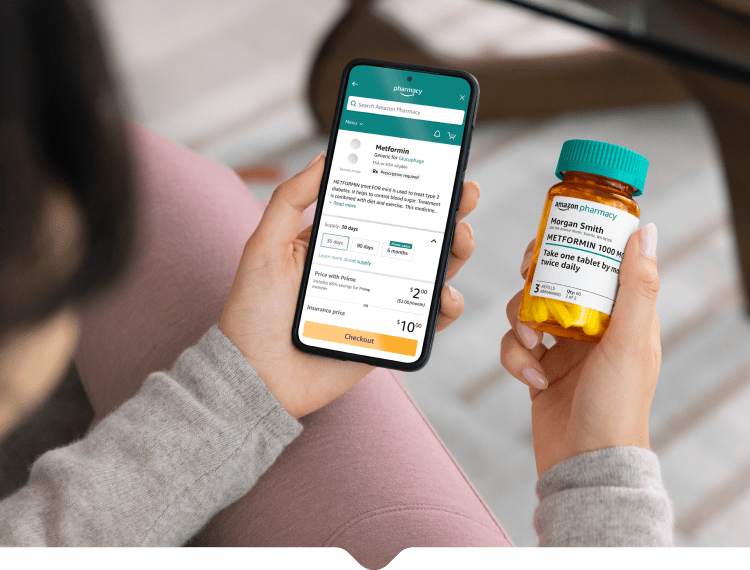
Amazon Pharmacy represents a significant milestone in the evolution of online healthcare services. Launched as part of Amazon’s broader initiative to enhance access to healthcare, this service aims to provide a seamless experience for obtaining prescription medications. The advent of Amazon Pharmacy highlights the growing relevance of online pharmacies, underscored by recent global health trends that have driven an increasing number of consumers to seek pharmacy services through digital platforms.

The primary objectives of Amazon Pharmacy extend beyond merely providing medication; they focus on convenience, affordability, and accessibility. By leveraging its vast logistics capabilities, Amazon seeks to streamline the process of ordering medications, ensuring customers can fill prescriptions quickly and conveniently. Users can easily search for their required medications, manage prescriptions, and have their orders delivered directly to their doors, all through the familiar Amazon platform. This integration not only enhances user experience but also positions Amazon as a key player in the evolving healthcare landscape.

The rise of digital technology has transformed the way healthcare is accessed, making it imperative for pharmacies to adapt to changing consumer demands. In this context, online pharmacies are emerging as essential resources, providing patients with easy access to medications while catering to diverse needs. With Amazon Pharmacy, customers can expect a comprehensive service that not only includes medication fulfillment but also offers resources for managing their health more effectively.

As healthcare continues to evolve in the digital age, the introduction of Amazon Pharmacy signifies a forward-thinking approach to prescription management. By embracing technology and focusing on customer-centric solutions, Amazon is poised to redefine the pharmacy experience, making it more accessible for individuals everywhere.

Key Strengths of Amazon Pharmacy

Amazon Pharmacy has rapidly emerged as a formidable player in the online pharmaceutical landscape, offering several key strengths that set it apart from traditional pharmacies. One such strength is the unmatched convenience it provides to users. Customers can easily order medications from the comfort of their homes, eliminating the need for trips to physical pharmacies. The user-friendly interface allows for seamless browsing and selection of prescribed medications, making the entire process straightforward and efficient.

Another significant advantage of Amazon Pharmacy is its competitive pricing. Users can benefit from reduced medication costs, particularly when compared to local pharmacies. This pricing strategy is further enhanced for Amazon Prime members, who often have access to exclusive discounts that can lead to greater savings on prescriptions. Such pricing dynamics make Amazon Pharmacy an appealing option for consumers searching for affordable healthcare solutions.

A comprehensive suite of services complements the convenience and pricing structures. Amazon Pharmacy offers automatic refills, which help patients manage their prescriptions effortlessly, reducing the likelihood of missed doses. Additionally, the platform provides a tracking feature for orders, allowing users to monitor their medications as they are processed, shipped, and delivered. This transparency contributes to a greater sense of control and trust in the service.

Moreover, the integration of Amazon Prime benefits into the Amazon Pharmacy experience enhances its overall value proposition. Prime members can enjoy expedited shipping and even more discounts on select medications, thereby elevating their shopping experience. Together, these strengths make Amazon Pharmacy a reliable and attractive option for individuals looking for a modern approach to medication management.

How to Use Amazon Pharmacy

Utilizing Amazon Pharmacy effectively begins with setting up an account. To get started, visit the Amazon Pharmacy website, and click on the “Get started” button. If you are already an Amazon customer, sign in with your existing account credentials. If you do not have an account, you will need to create one by providing your email address, choosing a password, and entering your address details. Once logged in, you will have the option to link your health insurance. Providing your insurance information helps determine eligible medications and costs, allowing for a seamless experience.

Next, you will need to provide your prescription information. Amazon Pharmacy allows users to either upload a prescription from their healthcare provider or have it sent directly to them electronically. To upload a prescription, select the option to add a new prescription and either take a photo of the document or manually enter the medication details. Ensure that all information is accurate to avoid any issues during processing.

After entering your prescription details, you can browse medications available in the Amazon Pharmacy catalog. Use the search bar to find specific drugs or explore categories to view available options. Once you select your medication, you will be directed through the ordering process. During this stage, you can review your prescription, check the total cost, and choose your preferred shipping method.

A notable feature of Amazon Pharmacy is the option to consult with pharmacy staff. Customers can reach out for assistance regarding prescriptions, medication interactions, and any queries about services offered. Furthermore, managing and refilling prescriptions online is simple; users can set reminders for refills and track their order status. By following these steps, patients can maximize the benefits and efficiencies offered by Amazon Pharmacy.

Future Prospects

As we reflect on Amazon Pharmacy and its evolving role within the healthcare landscape, it becomes evident that this innovative service represents a significant shift in how individuals access their medications. The integration of technology into pharmacy services streamlines the process of obtaining prescriptions and managing medications, aligning with current trends toward digitalization in healthcare. Amazon Pharmacy not only offers convenience through doorstep delivery but also enhances patient engagement by providing easier access to healthcare services.

Looking ahead, the potential for Amazon Pharmacy to influence the telehealth sector is substantial. With the increasing emphasis on remote consultations and virtual care, there is a clear opportunity for Amazon Pharmacy to expand its offerings. Future developments may include enhanced integration with telehealth platforms, allowing patients to receive prescriptions directly after a virtual consultation with their healthcare provider. Such a seamless connection would eliminate the need to navigate multiple systems, thus improving the overall user experience.

Furthermore, as Amazon continues to innovate, we can anticipate an expanding range of services that may encompass wellness programs, medication management tools, and personalized health recommendations. The digitalization of pharmacies presents an opportunity to make healthcare more accessible and efficient, potentially lowering costs for patients and insurers alike. With a focus on user experience, Amazon Pharmacy is likely to introduce features that cater to the unique needs of its customers, making it a valuable resource in their healthcare journey.

In conclusion, as Amazon Pharmacy carves its path in the healthcare industry, it brings with it a promise of growth and enhanced service delivery. By embracing the digital shift, patients stand to benefit immensely from the innovations that lie ahead. The trajectory of Amazon Pharmacy and similar platforms heralds a new era in healthcare, one that prioritizes accessibility, convenience, and improved health outcomes.