Category Archives: Health & Diet

diet information with GLP-1

Understanding the Healthy Advantage of GLP-1 for Blood and Heart Conditions

What is GLP-1?

GLP-1, or glucagon-like peptide-1, is an incretin hormone produced by the intestines in response to food intake. Its primary biological role is to enhance insulin secretion from the pancreas, which is crucial for regulating blood sugar levels. When food is consumed, GLP-1 is released, leading to an increase in insulin release, thereby promoting the uptake of glucose by cells. This action plays a vital role in maintaining optimal health and preventing elevated blood glucose levels that can lead to various health complications.

In addition to its role in insulin secretion, GLP-1 is also instrumental in appetite regulation. It influences the brain’s satiety centers, signaling feelings of fullness and thereby reducing food intake. This dual action of lowering blood sugar levels and curbing appetite contributes significantly to its potential benefits for individuals with weight-related health issues, including obesity. Since obesity is a well-known risk factor for heart disease, managing body weight through GLP-1’s appetite-regulating properties can also have a positive impact on heart health.

Moreover, GLP-1 exhibits a protective effect on the heart. Research indicates that it may improve cardiovascular health by enhancing endothelial function, decreasing inflammation, and promoting weight loss—all factors that are critical in reducing the risk of heart disease. The hormone’s interactions with other physiological mechanisms underscore its importance in blood and heart health management, suggesting that GLP-1 could be a valuable target in developing therapies for conditions like type 2 diabetes and cardiovascular diseases. Understanding GLP-1 and its multifaceted roles in the body highlights its significance as a therapeutic agent in advancing overall health.

Health Benefits of GLP-1 for Blood Conditions

GLP-1, or glucagon-like peptide-1, has emerged as a pivotal component in managing blood health, particularly concerning glucose metabolism. This incretin hormone plays a fundamental role in insulin secretion, which is crucial for regulating blood sugar levels. When glucose levels in the bloodstream rise, GLP-1 stimulates the pancreas to produce insulin, thereby aiding in the effective management of blood glucose concentrations. This process is especially beneficial for individuals with diabetes or those at risk of developing the condition.

Notably, GLP-1 has demonstrated significant implications for diabetes management by not only lowering blood sugar levels but also by mitigating the risk of associated complications. Research indicates that GLP-1 receptor agonists can lead to substantial reductions in hemoglobin A1c levels, a key marker for long-term glucose control in diabetic patients. By improving hemoglobin A1c levels, GLP-1 contributes to better overall blood health, potentially reducing the risk of diabetes-related complications such as cardiovascular disease.

Furthermore, the benefits of GLP-1 extend beyond diabetes management. Individuals with pre-diabetes may also experience positive changes in their blood glucose levels with the use of GLP-1 therapeutics. By enhancing insulin sensitivity and promoting the restoration of glucose homeostasis, GLP-1 can serve as a preventive measure against the full onset of diabetes. The reduced blood sugar levels facilitated by GLP-1 not only improve metabolic profiles but also promote cardiovascular health, a critical consideration given the relationship between blood health and heart conditions.

In summary, the role of GLP-1 in supporting blood health is multifaceted, with its ability to influence glucose metabolism, control blood sugar levels, and improve hemoglobin A1c readings showcasing its advantages for individuals with diabetes and pre-diabetes. By incorporating GLP-1 into treatment regimens, patients can experience a comprehensive approach to enhancing their blood health and overall well-being.

GLP-1 and Heart Health: A Closer Look

Recent advancements in understanding the relationship between GLP-1 (Glucagon-like peptide-1) and cardiovascular health have highlighted the potential of GLP-1 receptor agonists in mitigating heart-related ailments. These medications not only enhance glycemic control but also offer significant benefits in reducing cardiovascular risks, making them a focal point in heart disease management strategies.

Several clinical studies illustrate that GLP-1 receptor agonists can lead to notable improvements in heart function. For instance, research has shown that patients using these agents experience reduced occurrences of major adverse cardiovascular events. This can be attributed to GLP-1’s ability to improve endothelial function and promote myocardial perfusion. Enhanced blood flow supports the overall heart health, demonstrating a direct link between GLP-1 and cardiovascular benefits.

Moreover, GLP-1 plays a pivotal role in lowering blood pressure and cholesterol levels, both of which are critical factors in heart health management. By promoting weight loss and improving metabolic profiles, GLP-1 receptor agonists contribute to favorable changes in lipid metabolism, thereby reducing LDL cholesterol levels. This reduction aids in lessening the buildup of atherosclerotic plaques, further decreasing the risk of heart disease.

Additionally, there is growing evidence supporting the protective effects of GLP-1 analogs against heart failure. These medications appear to reduce the risk of hospitalization due to heart failure, highlighting their importance for patients at high risk. Enhancements in heart function, along with reductions in heart failure rates, solidify the argument for incorporating GLP-1 in comprehensive heart disease risk management strategies.

In conclusion, the integration of GLP-1 receptor agonists into treatment plans serves not only glycemic control but also significantly enhances heart health, paving the way for improved cardiovascular outcomes.

Integrating GLP-1 in a Heart-Healthy Lifestyle

Incorporating GLP-1 strategies into a heart-healthy lifestyle is paramount for individuals seeking to enhance their overall health and manage blood conditions effectively. The integration can begin with dietary considerations that favor the modulation of glucose metabolism and weight management. Consuming a balanced diet rich in whole grains, lean proteins, healthy fats, and a variety of fruits and vegetables can promote heart health, reduce systemic inflammation, and ultimately improve one’s health profile.

GLP-1 receptor agonists, a class of medications designed to mimic the effects of the naturally occurring GLP-1 hormone, can be invaluable tools in managing blood sugar levels and promoting weight loss. These medications have demonstrated a positive impact on cardiovascular health, thereby serving an important role in the treatment plans for individuals with diabetes and existing heart conditions. However, it’s essential for patients to engage in a collaborative approach with their healthcare providers to tailor any medication regimen to their specific health needs and goals.

In addition to dietary adjustments, regular physical activity is crucial in creating a comprehensive wellness strategy. Engaging in moderate-intensity exercises, such as brisk walking or cycling, can significantly improve cardiovascular fitness and enhance the body’s response to insulin. Furthermore, stress management techniques, such as mindfulness and yoga, can augment the health benefits of a heart-focused lifestyle.

Recent developments in GLP-1 research continue to reveal exciting possibilities in the realm of metabolic and heart health. As scientists uncover the multi-faceted roles of GLP-1 hormones, individuals can look forward to an evolving landscape of health strategies designed to promote optimal well-being. In conclusion, by combining lifestyle changes, medical treatment with GLP-1 medications, and ongoing communication with healthcare professionals, individuals can pave the way toward a healthier heart and robust blood health.


Understanding Diabetes-Related Weight Gain: Solutions and Life Changes

The Link Between Diabetes and Weight Gain

Diabetes is a complex metabolic disorder characterized by elevated blood glucose levels due to the body’s inability to produce or properly use insulin. Among its various implications, diabetes, particularly Type 2 diabetes, has been closely associated with weight gain. This relationship can largely be attributed to insulin resistance, a condition where the body’s cells do not respond effectively to insulin. As a result, glucose remains in the bloodstream, leading to hyperglycemia and prompting the pancreas to produce even more insulin. Elevated insulin levels can stimulate appetite and promote fat storage, thereby contributing to increased body weight.

Type 2 diabetes is most relevant in discussions of diabetes and weight gain, as it is primarily linked to lifestyle factors such as diet and physical activity. Excessive consumption of processed foods and sugary beverages can exacerbate insulin resistance, thus promoting further weight gain. Additionally, sedentary lifestyles hinder calorie expenditure, leading to an imbalance between caloric intake and expenditure, which is a critical factor in obesity. It is essential to recognize that not everyone with diabetes will experience weight gain, but those who are overweight or obese have a significantly higher risk of developing Type 2 diabetes, forming a vicious cycle.

Moreover, the psychological burden of managing diabetes can play a substantial role in weight management. The stress and emotional strain of living with a chronic condition can lead individuals to engage in unhealthy eating behaviors, resorting to comfort food, which may result in weight gain. Consequently, understanding the intricate relationship between diabetes and weight gain requires comprehending not only the physiological mechanisms involved but also the lifestyle and psychological factors at play, emphasizing the importance of a holistic approach in diabetes management.

Recognizing the Impact of Weight Gain on Diabetes Management

Weight gain can significantly complicate the management of diabetes, creating a challenging cycle that can affect both physical and emotional well-being. Individuals living with diabetes often experience a decrease in insulin sensitivity when they gain excess weight. This means that the body’s cells do not respond as effectively to insulin, leading to elevated blood sugar levels. Over time, uncontrolled blood sugar can result in various complications, including cardiovascular disease, which poses an increased risk for those already managing diabetes. Moreover, carrying extra weight places additional strain on the body, particularly on joints, which can exacerbate mobility issues and create barriers to regular physical activity.

The implications of weight gain extend beyond physiological challenges. Many individuals with diabetes experience emotional and psychological consequences related to their weight. Feelings of frustration, anxiety, and decreased self-esteem can arise when individuals struggle to manage their weight alongside their diabetes. This emotional burden may lead to social withdrawal or avoidance of situations that could potentially trigger feelings of inadequacy or embarrassment. Additionally, the societal stigma surrounding weight can further impact interpersonal relationships, leading to isolation and increasing the difficulties associated with diabetes management.

In light of these challenges, it becomes crucial for individuals living with diabetes to recognize the importance of weight control as a central component of their health management strategy. Implementing lifestyle changes such as adopting a balanced diet and engaging in regular physical activity can significantly improve overall well-being. Moreover, collaboration with healthcare professionals can foster personalized weight management plans, enhancing both physical health and emotional resilience. Ultimately, acknowledging the impact of weight gain on diabetes is an essential step toward sustainable management and improved quality of life.

person's left hand wrapped by tape measure
Photo by Jennifer Burk on Unsplash

Effective Solutions for Managing Diabetes-Related Weight Gain

Managing weight gain associated with diabetes requires a multifaceted approach that encompasses dietary modifications, exercise regimens, and behavioral changes. A balanced diet plays a critical role in weight management for individuals with diabetes. It is advisable to consume meals that are rich in fiber, which can help regulate blood sugar levels and improve satiety. Foods such as whole grains, legumes, fruits, and vegetables should be prioritized. Additionally, it is essential to limit simple sugars and refined carbohydrates, as these can cause spikes in blood glucose and may contribute to unwanted weight gain.

Portion control is another effective strategy for managing diabetes-related weight changes. Paying attention to serving sizes can help individuals better manage their caloric intake, thus aiding in weight loss or maintenance. Meal planning can also be a beneficial practice, as it allows individuals to prepare balanced meals ahead of time and ensures healthier food choices throughout the week. Planning meals can help avoid last-minute decisions that might lead to unhealthy eating habits.

Incorporating regular physical activity is equally important in addressing weight gain linked to diabetes. Both aerobic exercises, such as walking, cycling, or swimming, and resistance training can play valuable roles. Aerobic exercise helps improve cardiovascular health and enhances insulin sensitivity, while resistance training builds muscle mass, which can boost metabolism and aid in weight control. A combination of both exercise types is typically recommended for optimal results.

Lastly, seeking guidance from healthcare professionals, including dietitians and diabetes educators, can further enhance one’s ability to manage weight effectively. These professionals can provide personalized advice tailored to individual health needs, lifestyle factors, and diabetes management goals, contributing to more sustainable weight management strategies. Regular consultations can offer ongoing support and adjustments as necessary.

woman doing yoga meditation on brown parquet flooring
Photo by Jared Rice on Unsplash

Transforming Your Life: Embracing Lifestyle Changes

Managing diabetes and the associated weight gain requires a holistic approach that encompasses both physical and emotional well-being. Embracing lifestyle changes is pivotal in successfully navigating these challenges. The first step in this journey involves cultivating a positive mindset, which enables individuals to tackle the hurdles associated with diabetes management effectively. A positive outlook not only enhances motivation but also fosters resilience during difficult times.

Setting realistic goals is essential in the pursuit of managing diabetes. It is important to recognize that progress may be gradual and that small, achievable milestones can significantly contribute to overall success. Individuals should aim to develop specific, measurable, attainable, relevant, and time-bound (SMART) goals. Such goals help guide daily actions and decisions, whether they pertain to diet, physical activity, or medication adherence.

One critical component of this lifestyle transformation is creating a supportive environment. Engaging family members and friends in the process can provide the encouragement and accountability needed to maintain motivation. Open discussions about dietary choices, exercise routines, and lifestyle modifications can foster a sense of community, making it easier to navigate the complexities of diabetes management.

Regular medical check-ups and self-monitoring are vital in tracking progress. These practices not only contribute to ongoing health assessments but also empower individuals to take charge of their condition. Keeping a diabetes journal, for instance, can help identify patterns and triggers while allowing for adjustments in behavior as needed.

Inspiring success stories abound, showcasing individuals who have effectively embraced lifestyle changes. These narratives can serve as motivation and proof that it is possible to manage diabetes and its related weight gain. By adopting a comprehensive approach that combines a positive mindset, realistic goal-setting, support networks, and proactive health monitoring, individuals are better equipped to transform their lives and enhance their overall well-being.

Understanding the Rise of Diabetes: Causes and Prevention Strategies

The Increasing Prevalence of Diabetes: An Overview

The global rise in diabetes has become a significant public health concern, impacting millions of individuals across various demographics. According to the International Diabetes Federation (IDF), approximately 537 million adults aged 20-79 were living with diabetes in 2021, with projections indicating that this number could rise to 783 million by 2045. This alarming trend highlights not only the growing burden of diabetes but also the urgent need for effective prevention and management strategies.

Diabetes can be categorized into three primary types: Type 1, Type 2, and gestational diabetes. Type 1 diabetes, often diagnosed in childhood or adolescence, is an autoimmune condition where the pancreas produces little to no insulin. In contrast, Type 2 diabetes, which accounts for around 90% of all cases globally, primarily arises due to insulin resistance associated with obesity and sedentary lifestyles. Gestational diabetes, occurring during pregnancy, poses health risks to both mothers and their infants, and it may increase the likelihood of developing Type 2 diabetes later on.

The demographic trends surrounding diabetes are equally concerning. Vulnerable populations, particularly those in low- and middle-income countries, are experiencing the highest increases in diabetes prevalence. Factors such as aging populations, urbanization, and changes in dietary habits contribute to this uptick. Furthermore, genetic predisposition plays a significant role, with family history being a critical risk factor for developing diabetes.

Key lifestyle changes, including decreased physical activity and poor dietary choices, further exacerbate the situation. Consumption of processed foods high in sugar and unhealthy fats has led to an increase in obesity, a major contributor to Type 2 diabetes. As these trends continue to develop, it is essential for public health initiatives to focus on education, prevention, and support for lifestyle modifications to curb the diabetes epidemic and improve the overall health of communities worldwide.

Common Causes of Diabetes: What Contributes to the Risk?

The incidence of diabetes, particularly Type 2 diabetes, has escalated in recent years, with various factors contributing to this alarming trend. Understanding these causes can help individuals take proactive measures to mitigate their risk. The factors influencing diabetes can be broadly classified into modifiable and non-modifiable categories.

Among the modifiable causes, obesity stands out as a significant risk factor. Excess body weight, especially in the form of abdominal fat, is associated with insulin resistance, a primary issue leading to Type 2 diabetes. Moreover, physical inactivity exacerbates this risk; a sedentary lifestyle diminishes the body’s ability to regulate blood sugar levels effectively. A poor diet high in refined carbohydrates and sugars not only correlates with weight gain but also directly elevates blood glucose levels, further heightening the risk of developing diabetes.

High sugar intake, particularly from sugary beverages and processed foods, poses a serious threat to metabolic health. Such dietary habits can lead to an energy imbalance, promoting weight gain and reshaping the risk landscape for diabetes. Additionally, the consumption of unhealthy fats and insufficient fiber can also increase the likelihood of developing diabetes. Therefore, dietary choices play a crucial role in prevention strategies.

Shifting focus to non-modifiable factors, genetics and family history significantly impact the likelihood of developing Type 1 diabetes. Individuals with a family history of this autoimmune condition are at a higher risk, suggesting that genetic predispositions play a critical role. Furthermore, environmental factors such as exposure to certain viruses during childhood may also influence the onset of Type 1 diabetes. Socioeconomic status, including access to healthcare and educational resources, can affect individuals’ choices and opportunities to engage in healthy habits, thereby influencing diabetes risk. Overall, the complex interplay of these factors highlights the multifaceted nature of diabetes, underscoring the need for targeted prevention strategies.

Preventing Diabetes: Practical Strategies for a Healthier Life

Preventing diabetes requires a multifaceted approach that emphasizes lifestyle modifications and proactive management of health. One of the most effective strategies is to adopt a balanced diet that is rich in whole foods. This includes incorporating plenty of fruits, vegetables, whole grains, and lean proteins into daily meals while minimizing processed foods high in sugars and unhealthy fats. Such dietary adjustments can significantly impact blood sugar levels and contribute to overall well-being, thereby reducing the risk of diabetes.

In addition to healthy eating, increasing physical activity plays a crucial role in diabetes prevention. Regular exercise helps improve insulin sensitivity, allowing the body to utilize glucose more effectively. Engaging in at least 150 minutes of moderate aerobic activity each week, such as brisk walking or swimming, can help maintain a healthy weight and manage blood sugar levels. Strength training exercises are also beneficial, as they build muscle mass, which can enhance metabolic health.

Weight management is another vital factor in preventing diabetes. Maintaining a healthy weight can reduce the strain on the body’s insulin production and metabolism. For those who are overweight, even modest weight loss can significantly lower the risk of developing diabetes. Setting realistic goals for weight loss and incorporating physical activity into daily routines can foster better management of weight and overall health.

Regular health screenings are important in identifying risk factors for diabetes early on. Routine check-ups that include blood sugar level monitoring can help individuals stay informed about their health status and take necessary actions to prevent the onset of diabetes. Additionally, seeking community support through local health programs can provide resources and encouragement for individuals committed to making these lifestyle changes.

By implementing these practical strategies, individuals can take control of their health and significantly lower their risk of developing diabetes. Empowering oneself with knowledge and support can lead to a healthier, diabetes-free life.

The Future of Diabetes Management and Prevention

The management and prevention of diabetes are entering a transformative phase, driven by advancements in research, technology, and public health initiatives. Emerging trends indicate a significant shift towards personalized care, where treatments are tailored to individual genetic profiles and lifestyle factors. This precision medicine approach aims to optimize diabetes management, leading to better health outcomes. Concurrently, the development of new medications that target specific pathways involved in diabetes progression holds promise for reducing the burden of this chronic condition.

Advanced monitoring devices, such as continuous glucose monitors (CGMs) and smart insulin pens, are revolutionizing diabetes self-management. These technologies allow individuals to track their blood glucose levels with ease, enabling timely adjustments to their diet and insulin regimens. The integration of artificial intelligence into diabetes management tools also enhances predictive capabilities, helping individuals avoid hyperglycemic or hypoglycemic episodes. Furthermore, digital health interventions, including mobile applications and telehealth services, are making diabetes education and management more accessible, empowering patients to take an active role in their care.

On a broader scale, global initiatives and policies focusing on diabetes prevention are gaining momentum. Organizations worldwide are implementing community-based programs aimed at promoting healthier lifestyles and increasing awareness about the risk factors associated with diabetes. These public health strategies often include nutrition workshops, physical activity promotion, and screening programs designed to identify at-risk individuals early. Such proactive measures are crucial in tackling the burgeoning diabetes epidemic and reducing its prevalence and associated complications.

Ultimately, the future of diabetes management and prevention necessitates an ongoing commitment from healthcare providers, policymakers, and communities. By prioritizing research and innovation, while also addressing social determinants of health, we can create a holistic approach to combat diabetes effectively. This collaborative effort is vital in paving the way for future generations to lead healthier lives free from the shadow of diabetes.

Overcoming the Challenges of Diabetes Prevention in Modern Times

Understanding Diabetes: The Modern Epidemic

Diabetes is a chronic medical condition that occurs when the body becomes unable to properly use or produce insulin, a hormone essential for converting sugars and carbohydrates into energy. There are primarily two types of diabetes: Type 1 and Type 2. Type 1 diabetes, often diagnosed in children and young adults, results from the autoimmune destruction of insulin-producing beta cells in the pancreas, leading to absolute insulin deficiency. Conversely, Type 2 diabetes, which accounts for approximately 90-95% of all diabetes cases, usually develops in adults and is primarily attributed to insulin resistance combined with an eventual decrease in insulin production.

The incidence of diabetes has escalated alarmingly in recent years, becoming a major public health challenge globally. According to the International Diabetes Federation, the number of adults living with diabetes has surged to 537 million in 2021, and projections suggest that this number could rise to 643 million by 2030. Such staggering statistics highlight the urgent need to address this modern epidemic, which disproportionately affects individuals in urban settings and developed countries, where sedentary lifestyles and unhealthy dietary habits are increasingly prominent.

Several contributing factors to the rise of diabetes include lifestyle changes characterized by high-caloric diets rich in processed sugars and saturated fats, as well as reduced physical activity due to widespread technological advancements. The rise of fast food culture and the increase in screen time have particularly exacerbated the issue, fostering an environment where unhealthy choices become the norm. Moreover, a lack of awareness and education about diabetes prevention further complicates the situation. As we strive to tackle this pressing health issue, it is essential to prioritize public education campaigns that promote healthy living and the early detection of diabetes, ultimately empowering individuals to take charge of their health.

Challenges in Diabetes Prevention Today

In today’s fast-paced society, preventing diabetes poses numerous challenges for individuals striving to maintain a healthy lifestyle. One of the most significant factors contributing to the rise of diabetes is the prevalence of processed and fast foods. These products, often convenient and readily available, are typically high in sugars and unhealthy fats, creating a tempting option for those with busy schedules. Consequently, the consumption of these foods has increased the risk of developing diabetes and related health issues.

Furthermore, modern conveniences have facilitated a more sedentary lifestyle. With the advent of technology and an emphasis on convenience, many individuals find themselves spending extended periods in front of screens, whether for work or leisure. This shift away from physical activity not only contributes to weight gain but also impacts overall metabolic health, both of which are key factors in diabetes development. Engaging in regular physical activity can combat these effects; however, the motivation to exercise often diminishes in a culture that promotes sitting over movement.

Mental health also plays a crucial role in diabetes prevention. Elevated stress levels, anxiety, and depression can lead to emotional eating, where individuals turn to food for comfort, often choosing unhealthy options. This behavior not only hinders efforts to maintain a balanced diet but also increases the risk of obesity, a critical risk factor for diabetes. The cumulative effect of stress and poor dietary choices creates a challenging environment for those looking to prevent diabetes.

Additionally, the influence of social media and technology cannot be overlooked. While these platforms can inspire healthier choices, they can also create unrealistic standards regarding body image and health. The constant barrage of information can lead to confusion and misinformation surrounding effective diabetes prevention strategies, making it harder for individuals to navigate their health journeys. Consequently, understanding these multifaceted challenges is crucial for developing effective diabetes prevention strategies in modern times.

Effective Strategies for Diabetes Prevention

Preventing diabetes effectively requires a multi-faceted approach that emphasizes dietary modifications, physical activity, and community engagement. One of the fundamental strategies in diabetes prevention is the improvement of dietary habits. This can be achieved by increasing the consumption of whole foods, such as fruits, vegetables, whole grains, and lean proteins. These foods are not only nutrient-dense but also help in maintaining stable blood sugar levels. By reducing the intake of processed foods, which are often high in added sugars and unhealthy fats, individuals can significantly lower their risk of developing diabetes.

In addition to dietary changes, practicing portion control is vital. Being mindful of serving sizes can prevent overeating, which is essential for weight management—a key factor in diabetes prevention. Individuals are encouraged to use tools like measuring cups or visual cues to better gauge portion sizes, thereby fostering a healthier relationship with food.

Regular physical activity plays a crucial role in diabetes prevention as well. Engaging in at least 150 minutes of moderate aerobic exercise, such as brisk walking, swimming, or cycling, can significantly diminish the risk of diabetes. Additionally, incorporating strength training exercises at least twice a week further enhances metabolic health and aids in weight management. For those with busy lifestyles, short bouts of activity, such as taking the stairs instead of the elevator, can be an effective way to stay active.

Community support is an often underestimated element of diabetes prevention. Participating in local exercise groups or nutrition workshops can provide motivation and accountability. Moreover, healthcare interventions and the use of technological tools such as health monitoring apps and devices can help individuals track their diet and physical activity levels, making it easier to stay on course. These comprehensive strategies, when implemented collectively, can significantly help in reducing the prevalence of diabetes in modern society.

Building a Sustainable Lifestyle for Diabetes Prevention

Create a sustainable lifestyle focusing on diabetes prevention is essential for promoting long-term health and well-being. Achieving this requires adopting habits that support healthy living and prevent the onset of conditions such as type 2 diabetes. One effective strategy is habit formation, where small, consistent changes can accumulate over time to produce significant health benefits. For instance, incorporating regular physical activity and balanced nutrition into daily routines can enhance metabolic health and reduce the risk of diabetes.

Setting realistic goals is crucial in this process. Individuals should aim for attainable targets, such as gradually increasing daily exercise duration or incorporating more fruits and vegetables into their meals. This approach prevents overwhelming oneself and fosters a sense of achievement as each milestone is met. Keeping track of these goals can be facilitated through accountability mechanisms such as fitness apps or buddy systems, where individuals partner with friends or family members to support each other’s journeys towards improved health.

Mental health and emotional well-being play vital roles in sustaining lifestyle changes. Stress management, adequate sleep, and fostering social connections can significantly influence one’s ability to adhere to health-related goals. The relationship between mental health and physical health underscores the need for a holistic approach to diabetes prevention, ensuring that individuals are not only focusing on their physical aspects but also addressing emotional and psychological needs.

Ultimately, empowering oneself to take charge of personal health is paramount. Engaging in the prevention of diabetes involves creating a robust support system, consisting of friends, family, or health professionals who can provide encouragement and guidance throughout the journey. By adopting a sustainable lifestyle, individuals can significantly lower their risk of diabetes while enhancing their overall quality of life.

GLP-1 and the Prevention of Yo-Yo Dieting: A Comprehensive Guide

Understanding GLP-1 and Its Role in Weight Management

Glucagon-like peptide-1 (GLP-1) is an incretin hormone that plays a critical role in regulating appetite, food intake, and overall energy homeostasis. It is secreted by the intestines in response to nutrient intake, particularly carbohydrates and fats. Once released, GLP-1 exerts various biological functions that significantly influence weight management. Its most notable actions include the enhancement of insulin secretion, inhibition of glucagon release, and slowing down gastric emptying. These functions contribute to improved glycemic control, which is essential for effective diet planning and weight loss strategies.

One of the primary mechanisms through which GLP-1 influences appetite is by promoting satiety—an increased feeling of fullness after eating. By signaling to the brain that sufficient food has been consumed, GLP-1 helps to reduce the likelihood of overeating, thus providing a helpful strategy for individuals seeking to manage their diets effectively. When people struggle with weight loss, they often experience yo-yo dieting—where they alternate between losing weight and gaining it back. The satiety signals mediated by GLP-1 can be particularly beneficial in mitigating this cycle, helping individuals to maintain their weight loss by preventing excessive food intake.

Additionally, GLP-1’s impact on gastric emptying aids in prolonging the digestion process, allowing for a more gradual release of nutrients into the bloodstream. This not only stabilizes blood glucose levels but also sustains feelings of fullness over an extended period. Consequently, individuals utilizing a GLP-1 targeted approach to dieting might find it easier to adhere to their nutrition plans, reducing the risk of the yo-yo effect. Ultimately, understanding GLP-1 is paramount for enhancing weight management efforts and developing effective long-term dieting strategies.

The Yo-Yo Effect: Causes and Consequences

Yo-yo dieting, often referred to as weight cycling, is a common pattern where individuals alternate between periods of weight loss and subsequent weight gain. This cycle can occur multiple times, leading to significant fluctuations in body weight and potentially harmful consequences for both physical and psychological health. The typical progression involves a diet regimen that results in weight loss, followed by a return to former eating habits, which ultimately culminates in regaining not just the lost weight but often additional pounds.

Several factors contribute to the yo-yo effect, including metabolic adaptations that occur when an individual restricts caloric intake. When dieting, the body’s metabolism can slow down in response to decreased energy availability, making it more challenging to maintain weight loss. Hormonal changes, particularly in the regulation of hunger and satiety, also play a vital role. For example, alterations in levels of ghrelin and leptin, hormones that control appetite, can lead to increased hunger and cravings post-diet, further complicating weight management efforts.

In addition to physiological factors, psychological aspects significantly influence the yo-yo effect. Many individuals may develop an unhealthy relationship with food, oscillating between restrictive dieting and overeating. This behavior can foster a cycle of guilt and shame, resulting in emotional distress and contributing to disordered eating patterns. Consequently, the ongoing stress associated with weight fluctuations may lead to depression and anxiety, undermining overall mental well-being.

In summary, the yo-yo effect is a multifaceted problem influenced by metabolic, hormonal, and psychological factors. Understanding these causes is crucial for those struggling with weight management, as it highlights the challenges faced during weight loss efforts and the importance of adopting a sustainable diet over a lifetime to promote lasting health and well-being.

GLP-1 Agonists: A New Approach to Stabilizing Weight

In recent years, GLP-1 agonists have emerged as a promising treatment option in the realm of obesity management and weight stabilization. These medications mimic the incretin hormone GLP-1 (glucagon-like peptide-1), which plays a crucial role in regulating appetite and glucose metabolism. By enhancing GLP-1’s action in the body, these agonists contribute to weight loss through multiple mechanisms, including promoting satiety, reducing food intake, and slowing gastric emptying.

Clinical studies have demonstrated the efficacy of GLP-1 agonists in achieving sustained weight loss among individuals struggling with obesity. For instance, participants involved in controlled trials have shown significant reductions in body weight and waist circumference when treated with these medications over periods extending up to several months or years. This sustained weight loss is critical for those at risk of yo-yo dieting, where individuals experience cyclical patterns of weight loss and regain, often leading to long-term health issues.

Beyond weight reduction, the potential benefits of GLP-1 agonists extend to improving metabolic health. Research indicates that these medications may help decrease insulin resistance, lower blood sugar levels, and positively affect lipid profiles. These factors are vital in preventing metabolic syndrome, which is often associated with unhealthy dieting behaviors, including the yo-yo effect.

For example, one case study outlined the weight outcome of patients administering a GLP-1 agonist over 52 weeks, which resulted in an average weight loss of approximately 10% of their total body weight. Such evidence endorses the viability of GLP-1 agonists as a scalable solution for weight management, with the objective of not only facilitating initial weight loss but also supporting long-term weight maintenance.

In summary, GLP-1 agonists address the challenges of obesity and prevent the yo-yo dieting cycle by offering a multi-faceted approach to weight management and metabolic health stabilization.

woman doing yoga meditation on brown parquet flooring

Integrating GLP-1 Strategies into Lifestyle Changes

Integrating GLP-1 strategies into daily life is essential for maintaining weight loss and preventing the detrimental cycle of yo-yo dieting. To achieve this, individuals must focus on dietary adjustments, physical activity, and behavioral modifications that align with the principles of GLP-1. Firstly, incorporating a diet rich in whole foods, such as fruits, vegetables, lean proteins, and whole grains, is crucial. These foods promote satiety, helping to reduce portion sizes and caloric intake while providing essential nutrients for overall health. The use of GLP-1 receptor agonists can further enhance appetite regulation, making it easier to stick to healthier dietary patterns.

In addition to dietary changes, the role of physical activity cannot be understated. Regular exercise significantly contributes to weight management by increasing energy expenditure and improving metabolic health. Activities such as walking, cycling, or resistance training not only help to burn calories but also promote muscle mass retention, which is vital during weight loss. Establishing a routine that includes both aerobic and strength training exercises can produce long-term benefits and facilitate the prevention of weight regain.

Behavioral modifications play a pivotal role in integrating GLP-1 strategies effectively. Individuals are encouraged to set realistic goals, track their food intake, and monitor their progress to maintain accountability. Mindful eating practices can also assist in recognizing hunger cues and reducing emotional eating triggers. Engaging in support groups or seeking professional guidance may provide additional encouragement and valuable insights, fostering a supportive environment for sustainable change.

Ultimately, a holistic approach to weight management that combines medical interventions, like GLP-1 therapies, with healthy lifestyle choices is paramount. By embracing these strategies, individuals can break free from the yo-yo dieting cycle, cultivate a sustainable relationship with food, and achieve lasting weight loss success.

Discovering Amazon Pharmacy: Strengths and How to Use It

What is the Amazon Pharmacy?

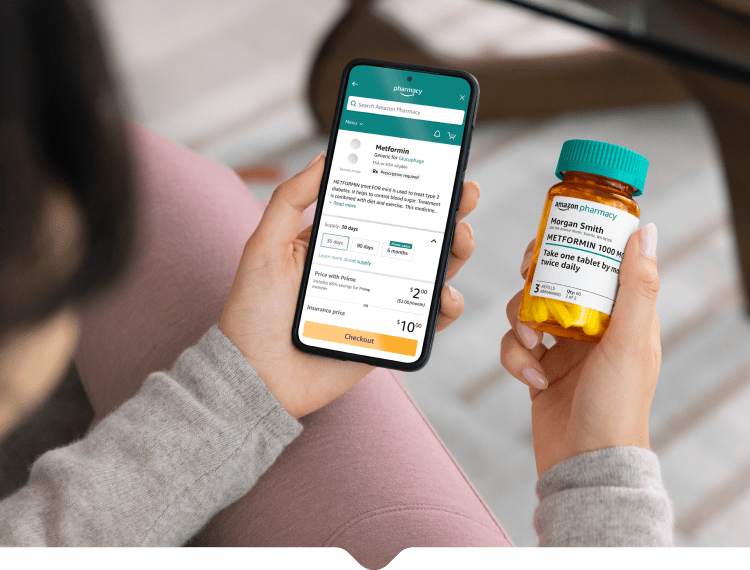
Amazon Pharmacy represents a significant milestone in the evolution of online healthcare services. Launched as part of Amazon’s broader initiative to enhance access to healthcare, this service aims to provide a seamless experience for obtaining prescription medications. The advent of Amazon Pharmacy highlights the growing relevance of online pharmacies, underscored by recent global health trends that have driven an increasing number of consumers to seek pharmacy services through digital platforms.

The primary objectives of Amazon Pharmacy extend beyond merely providing medication; they focus on convenience, affordability, and accessibility. By leveraging its vast logistics capabilities, Amazon seeks to streamline the process of ordering medications, ensuring customers can fill prescriptions quickly and conveniently. Users can easily search for their required medications, manage prescriptions, and have their orders delivered directly to their doors, all through the familiar Amazon platform. This integration not only enhances user experience but also positions Amazon as a key player in the evolving healthcare landscape.

The rise of digital technology has transformed the way healthcare is accessed, making it imperative for pharmacies to adapt to changing consumer demands. In this context, online pharmacies are emerging as essential resources, providing patients with easy access to medications while catering to diverse needs. With Amazon Pharmacy, customers can expect a comprehensive service that not only includes medication fulfillment but also offers resources for managing their health more effectively.

As healthcare continues to evolve in the digital age, the introduction of Amazon Pharmacy signifies a forward-thinking approach to prescription management. By embracing technology and focusing on customer-centric solutions, Amazon is poised to redefine the pharmacy experience, making it more accessible for individuals everywhere.

Key Strengths of Amazon Pharmacy

Amazon Pharmacy has rapidly emerged as a formidable player in the online pharmaceutical landscape, offering several key strengths that set it apart from traditional pharmacies. One such strength is the unmatched convenience it provides to users. Customers can easily order medications from the comfort of their homes, eliminating the need for trips to physical pharmacies. The user-friendly interface allows for seamless browsing and selection of prescribed medications, making the entire process straightforward and efficient.

Another significant advantage of Amazon Pharmacy is its competitive pricing. Users can benefit from reduced medication costs, particularly when compared to local pharmacies. This pricing strategy is further enhanced for Amazon Prime members, who often have access to exclusive discounts that can lead to greater savings on prescriptions. Such pricing dynamics make Amazon Pharmacy an appealing option for consumers searching for affordable healthcare solutions.

A comprehensive suite of services complements the convenience and pricing structures. Amazon Pharmacy offers automatic refills, which help patients manage their prescriptions effortlessly, reducing the likelihood of missed doses. Additionally, the platform provides a tracking feature for orders, allowing users to monitor their medications as they are processed, shipped, and delivered. This transparency contributes to a greater sense of control and trust in the service.

Moreover, the integration of Amazon Prime benefits into the Amazon Pharmacy experience enhances its overall value proposition. Prime members can enjoy expedited shipping and even more discounts on select medications, thereby elevating their shopping experience. Together, these strengths make Amazon Pharmacy a reliable and attractive option for individuals looking for a modern approach to medication management.

How to Use Amazon Pharmacy

Utilizing Amazon Pharmacy effectively begins with setting up an account. To get started, visit the Amazon Pharmacy website, and click on the “Get started” button. If you are already an Amazon customer, sign in with your existing account credentials. If you do not have an account, you will need to create one by providing your email address, choosing a password, and entering your address details. Once logged in, you will have the option to link your health insurance. Providing your insurance information helps determine eligible medications and costs, allowing for a seamless experience.

Next, you will need to provide your prescription information. Amazon Pharmacy allows users to either upload a prescription from their healthcare provider or have it sent directly to them electronically. To upload a prescription, select the option to add a new prescription and either take a photo of the document or manually enter the medication details. Ensure that all information is accurate to avoid any issues during processing.

After entering your prescription details, you can browse medications available in the Amazon Pharmacy catalog. Use the search bar to find specific drugs or explore categories to view available options. Once you select your medication, you will be directed through the ordering process. During this stage, you can review your prescription, check the total cost, and choose your preferred shipping method.

A notable feature of Amazon Pharmacy is the option to consult with pharmacy staff. Customers can reach out for assistance regarding prescriptions, medication interactions, and any queries about services offered. Furthermore, managing and refilling prescriptions online is simple; users can set reminders for refills and track their order status. By following these steps, patients can maximize the benefits and efficiencies offered by Amazon Pharmacy.

Future Prospects

As we reflect on Amazon Pharmacy and its evolving role within the healthcare landscape, it becomes evident that this innovative service represents a significant shift in how individuals access their medications. The integration of technology into pharmacy services streamlines the process of obtaining prescriptions and managing medications, aligning with current trends toward digitalization in healthcare. Amazon Pharmacy not only offers convenience through doorstep delivery but also enhances patient engagement by providing easier access to healthcare services.

Looking ahead, the potential for Amazon Pharmacy to influence the telehealth sector is substantial. With the increasing emphasis on remote consultations and virtual care, there is a clear opportunity for Amazon Pharmacy to expand its offerings. Future developments may include enhanced integration with telehealth platforms, allowing patients to receive prescriptions directly after a virtual consultation with their healthcare provider. Such a seamless connection would eliminate the need to navigate multiple systems, thus improving the overall user experience.

Furthermore, as Amazon continues to innovate, we can anticipate an expanding range of services that may encompass wellness programs, medication management tools, and personalized health recommendations. The digitalization of pharmacies presents an opportunity to make healthcare more accessible and efficient, potentially lowering costs for patients and insurers alike. With a focus on user experience, Amazon Pharmacy is likely to introduce features that cater to the unique needs of its customers, making it a valuable resource in their healthcare journey.

In conclusion, as Amazon Pharmacy carves its path in the healthcare industry, it brings with it a promise of growth and enhanced service delivery. By embracing the digital shift, patients stand to benefit immensely from the innovations that lie ahead. The trajectory of Amazon Pharmacy and similar platforms heralds a new era in healthcare, one that prioritizes accessibility, convenience, and improved health outcomes.

Noom Launches New Weight Loss Program Featuring Compounded GLP-1 Drug

Introduction to Noom’s New Program

Noom has recently launched an innovative weight loss program that integrates a compounded GLP-1 drug into its established health and wellness platform. This strategic integration underscores Noom’s commitment to providing sustainable and effective weight loss solutions tailored to individual needs. The company’s mission revolves around promoting healthier lifestyles through a combination of psychological insights, personalized coaching, and now, pharmacological assistance.

The incorporation of GLP-1 medications signifies a significant development in the field of weight management. GLP-1, or glucagon-like peptide-1, is a hormone that plays a crucial role in appetite regulation and glucose metabolism. By enhancing the body’s natural response to food intake, GLP-1 medications can help individuals feel fuller for longer, ultimately supporting weight loss efforts. This approach aligns perfectly with Noom’s philosophy of combining behavioral change with scientific advancements to foster lasting results.

Recognizing the complexity of weight loss, Noom’s program not only leverages the efficacy of GLP-1 drugs but also maintains a holistic approach by incorporating behavioral strategies. Users can expect a supportive environment that includes interactive tools, educational resources, and access to health professionals, all designed to empower them on their weight loss journey. The integration of compounded GLP-1 medication represents an innovative enhancement to Noom’s offerings, catering to diverse user needs and recognizing the physiological factors that often hinder weight loss progress.

This new program marks a pivotal moment in Noom’s evolution as a leader in the health sector, where modern technology converges with established medical practices. By embracing GLP-1 and adding it to their platform, Noom not only broadens its appeal but also reinforces its commitment to fostering sustainable health improvements for all users.

Understanding GLP-1 and Its Role in Weight Loss

GLP-1, or glucagon-like peptide-1, is a hormone that plays a crucial role in regulating appetite and managing energy balance. Produced in the intestines, GLP-1 is stimulated upon food intake, leading to several physiological effects that are beneficial in weight management. This incretin hormone enhances insulin secretion from the pancreas, thereby improving insulin sensitivity and helping in glucose metabolism. Notably, GLP-1 also acts on the brain to promote satiety, which can lead to reduced food intake and ultimately, weight loss.

The therapeutic application of GLP-1 receptor agonists has gained recognition in recent years as an effective method for obesity management. These medications mimic the action of natural GLP-1 in the body, promoting feelings of fullness while reducing hunger. Some can notably slow gastric emptying, contributing to prolonged satiety after meals. Research has validated the effectiveness of GLP-1 drugs in fostering significant weight reduction among various populations, establishing their relevance in modern weight loss strategies.

While the benefits of GLP-1 treatments are compelling, potential side effects must also be considered. Common reactions include gastrointestinal discomfort such as nausea, diarrhea, and abdominal pain. Although these side effects can be troubling, they often subside over time as the body adjusts to the medication. Additionally, individuals with a personal or family history of medullary thyroid carcinoma or multiple endocrine neoplasia syndrome type 2 should approach GLP-1 therapies with caution due to associated risks. It is essential for individuals seeking weight loss solutions to consult healthcare professionals to evaluate their specific cases and determine the best course of action.

Overall, understanding the role of GLP-1 in appetite regulation and metabolism can illuminate its place in modern weight loss programs, providing individuals with effective tools for achieving their health goals.

How Noom’s Program Works

Noom‘s new weight loss program is designed to leverage the benefits of the compounded GLP-1 drug while integrating a comprehensive system of personalized coaching and behavior change strategies. This innovative approach emphasizes a holistic method for weight management, combining pharmaceutical assistance with lifestyle alterations to enhance long-term success.

The program begins with an assessment to determine each participant’s individual needs and health goals. Based on this evaluation, users will receive a tailored plan that incorporates the GLP-1 medication, aimed at reducing appetite and promoting weight loss through its physiological effects. This drug has shown promise in helping individuals manage their cravings more effectively.

Alongside medication, Noom emphasizes the importance of behavior change. Participants are paired with certified health coaches who offer support, guidance, and motivation throughout their journey. These coaches provide resources that facilitate engagement with nutritional education and physical activity, contributing to a more balanced lifestyle. Monthly video check-ins ensure that participants stay on track, allowing for adjustments in the program based on individual progress.

Progress tracking is a critical feature of Noom’s program. Participants can easily monitor their weight loss and other health metrics through a user-friendly app that offers various functionalities, including food logging and exercise tracking. The app also incorporates gamification elements to encourage regular engagement and interaction, which reinforces positive behaviors over time.

This multifaceted approach not only helps individuals in losing weight but also enables them to sustain those changes by fostering healthy habits. By integrating the GLP-1 drug with behavioral therapy and personalized coaching, Noom stands at the forefront of modern weight loss solutions. Participants can ultimately expect a supportive environment that nurtures their commitment to improved health outcomes.

Potential Impact on the Weight Loss Industry

The introduction of Noom’s new weight loss program, which incorporates a compounded GLP-1 drug, may represent a significant turning point in the weight loss industry. Historically, weight management strategies have largely emphasized lifestyle changes, including diet modifications and increased physical activity. However, the integration of pharmaceutical approaches into behavioral health frameworks suggests an evolving paradigm that combines both medical and psychological tips to address obesity effectively.

By introducing GLP-1 medications, which are known for their appetite-suppressing effects, Noom is likely to attract a broader clientele, including those who have struggled to achieve sustainable weight loss through traditional methods. This hybrid approach could encourage other companies in the health and wellness sector to rethink their strategies, potentially leading to competitive innovations as businesses seek to keep pace with Noom’s pioneering model. The incorporation of drug therapy into weight management plans could ultimately reshape consumer expectations, encouraging a more medicalized view of weight loss.

Customer reactions to this new program have been mixed, with some individuals expressing enthusiasm for the added support in their weight reduction efforts, while others raise concerns regarding the reliance on pharmaceutical products. This dichotomy suggests that education around the role of GLP-1 drugs in weight loss will need to be a priority for Noom and similar businesses. Additionally, the significance of translating scientific effectiveness into tangible results for consumers cannot be understated, as user experience will play a crucial role in the program’s acceptance and long-term success.

As the digital health landscape continues to evolve, the integration of medications like GLP-1 with behavioral health practices might set a precedent for comprehensive weight management solutions. This blend of technology, psychology, and pharmacology presents an opportunity for health professionals to further support patients on their weight loss journeys, thereby influencing future healthcare practices and consumer choices in the realm of obesity management.

Beyond Ozempic: The Future of GLP-1 Drugs for Weight Loss and Health Benefits

Introduction to GLP-1 Drugs

GLP-1 drugs, or glucagon-like peptide-1 receptor agonists, represent a class of medications that have gained prominence in recent years, particularly in the management of type 2 diabetes and obesity. These therapeutic agents mimic the action of the naturally occurring hormone GLP-1, which plays a critical role in glucose metabolism and appetite regulation. By stimulating insulin secretion in response to meals while simultaneously suppressing glucagon secretion, GLP-1 drugs effectively lower blood sugar levels. This dual impact enhances glycemic control and supports patients in achieving their health goals.

A significant breakthrough in this class of medications has been the advent of Ozempic (semaglutide), which has become widely recognized for its efficacy in promoting weight loss in addition to managing diabetes. Patients using Ozempic have reported impressive outcomes, leading to its rapid acquisition of popularity among both healthcare providers and individuals seeking effective solutions for weight challenges. This success story has sparked considerable interest in exploring similar GLP-1 drug candidates that could offer additional benefits or improved outcomes.

At the upcoming American Diabetes Association conference, several groundbreaking developments in GLP-1 drugs are set to be showcased. These advancements may include new formulations, expanded indications, and potential weight-loss applications beyond what is currently available. As the market for GLP-1 medications continues to evolve, understanding the fundamentals of how these drugs work will be pivotal for both healthcare professionals and patients. The integration of GLP-1 therapies into treatment plans holds the promise of not only managing diabetes but also addressing obesity and other related health conditions, thus improving overall patient health and quality of life.

Overview of New GLP-1 Drugs Under Development

Recent advancements in the field of weight management and metabolic health have led to the exploration of an impressive array of new GLP-1 drugs. Researchers will present 27 new candidates at the upcoming conference, each showcasing distinct features and therapeutic applications. These innovative medications are expected to address various metabolic disorders, including obesity and type 2 diabetes, with GLP-1 agonists being a prominent class of treatments.

Many of these new GLP-1 drugs are designed to optimize the beneficial properties of existing treatments, such as Ozempic, while minimizing side effects. For instance, some candidates target weight loss more aggressively, potentially leading to improved outcomes for patients struggling with obesity. Others may focus on enhancing glycemic control in diabetes patients, offering better efficacy and safety profiles than their predecessors. The advancements may not only elevate the weight management landscape but also contribute to overall health benefits, including cardiovascular protection.

An area of particular interest is the pharmacokinetics and pharmacodynamics of these emerging treatments. Enhanced formulations may allow for longer-lasting effects, facilitating once-weekly dosing, making them more convenient for patients. Furthermore, different targeted mechanisms—such as specific receptor activation—could lead to greater weight reduction and appetite suppression, which are critical factors in the management of obesity. The potential for combination therapies, integrating GLP-1 drugs with other modalities, also represents an exciting development in this area.

In conclusion, the new GLP-1 drugs under development hold great promise for enhancing weight management and improving health outcomes. As researchers delve deeper into their mechanisms and applications, the future of these therapies could significantly transform the treatment landscape for individuals dealing with obesity and related health issues.

Potential Health Benefits Beyond Weight Loss

The therapeutic potential of GLP-1 drugs, such as Ozempic, extends significantly beyond mere weight loss. Recent studies have indicated that these medications positively impact various aspects of health, particularly in relation to cardiovascular outcomes, metabolic function, and overall well-being. As a class of medications primarily aimed at managing blood sugar levels in individuals with type 2 diabetes, GLP-1 agonists have been lauded for their ability to facilitate weight loss; however, their additional health benefits merit substantial attention.

One of the most notable advantages of GLP-1 therapy is its effect on cardiovascular health. Research has shown that medications like Ozempic can reduce the risk of major adverse cardiovascular events, including heart attack and stroke. This is particularly significant for patients with pre-existing cardiovascular conditions or those at high risk. The cardioprotective elements of GLP-1 drugs are believed to stem from their ability to improve endothelial function, reduce inflammation, and modulate blood pressure, thereby promoting cardiovascular wellness.

In addition to heart health, GLP-1 medications can enhance metabolic function. They work by slowing gastric emptying, leading to increased satiety and lower postprandial glucose levels. This mechanism not only helps in weight management but also reduces the likelihood of developing metabolic syndrome, a cluster of conditions that increase the risk of heart disease, stroke, and diabetes. Moreover, emerging evidence suggests that GLP-1 therapy may provide neuroprotective benefits, potentially offering a safeguard against neurodegenerative diseases.

Overall, the integration of GLP-1 drugs into treatment regimens presents a multifaceted approach to health management, addressing concerns that extend beyond weight loss. By emphasizing the broader implications of these therapies, healthcare providers can offer more comprehensive solutions to improve patients’ quality of life. Such insights underscore the importance of continuing research on GLP-1, as its full potential in promoting health remains a promising avenue in modern medicine.

The Future of Hormonal Treatments and Market Implications

The landscape of hormonal treatments for obesity and diabetes management is rapidly evolving, particularly with the advent of GLP-1 receptor agonists like Ozempic. These drugs are not only revolutionizing the approach to weight loss but also showcasing significant health benefits for individuals with metabolic disorders. As the effectiveness of GLP-1 drugs becomes increasingly evident, pharmaceutical companies are likely to invest more heavily in their development, resulting in a broader range of available treatments in the near future.

Market implications surrounding these emerging GLP-1 treatments are substantial. The increased demand for effective weight loss solutions, driven by both medical necessity and societal expectations, will likely lead to greater competition among pharmaceutical manufacturers. This could result in innovative formulations, such as extended-release versions or combination therapies that enhance the efficacy of GLP-1 drugs or mitigate potential side effects. Furthermore, the advent of new GLP-1 products may also reset treatment protocols, potentially leading healthcare providers to favor these medications over traditional alternatives for obesity and diabetes management.

However, these shifts do not come without regulatory hurdles. As GLP-1 drugs gain traction, regulatory bodies will need to ensure that rigorous safety and efficacy standards are upheld. Healthcare professionals are keenly observing these developments; their insights will be crucial in shaping clinical practice. Integrating new GLP-1 treatments into existing regimens may require additional training for healthcare providers, along with adjustments in patient management strategies to optimize outcomes.

For patients, the promising future of GLP-1 drugs means access to more effective weight loss solutions that may significantly improve their quality of life. As more research is conducted and the market adapts, the hope is that GLP-1 therapies will provide not only weight management but also a reduction in the accompanying health risks associated with obesity and metabolic conditions.

Can Popular Weight-Loss Drugs Like Ozempic Stave Off Alzheimer’s Disease?

Introduction to Weight-Loss Drugs and Their Primary Uses

Popular weight-loss drugs, such as Ozempic, have garnered significant attention in recent years due to their multifaceted benefits. Primarily utilized to manage type 2 diabetes, these medications belong to a class of drugs known as GLP-1 receptor agonists. Ozempic functions by mimicking the action of glucagon-like peptide-1, a hormone that plays a pivotal role in regulating blood sugar levels. This mechanism enhances insulin secretion in response to meals while simultaneously inhibiting glucagon release, fostering improved glycemic control in diabetic patients.

The appeal of Ozempic extends beyond glycemic management; it also acts as an effective tool for weight loss. By delaying gastric emptying and inducing satiety, Ozempic significantly reduces caloric intake, which facilitates weight reduction. This weight loss effect has led to the off-label use of Ozempic as a treatment for obesity, aligning it with a growing demand for comprehensive weight management solutions that address both diabetes and obesity concurrently.

The increasing popularity of these drugs has been driven by rising obesity rates globally and the subsequent demand for effective therapeutic options. With the dual benefits of blood sugar regulation and weight loss, Ozempic and similar medications have captured a substantial portion of the market, transforming how healthcare providers approach the intertwined issues of diabetes and obesity. This shift is evident in the expanding utilization of GLP-1 receptor agonists not only in clinical settings but also in broader community health programs aimed at combating the obesity epidemic.

As the application of these drugs continues to evolve, it is crucial to explore their potential implications in other health domains, such as neurodegenerative diseases. Understanding whether drugs like Ozempic could offer protective benefits against conditions like Alzheimer’s disease opens new avenues for research and therapeutic strategies, promising a multidimensional impact on public health.

The Link Between Diabetes, Obesity, and Alzheimer’s Disease

The intricate relationship between diabetes, obesity, and Alzheimer’s disease has been a focal point of medical research for some time. Metabolic disorders such as diabetes are often accompanied by insulin resistance and chronic inflammation, both of which have been implicated in the pathogenesis of Alzheimer’s disease. Studies have shown that individuals with type 2 diabetes are at a higher risk of developing Alzheimer’s, highlighting the significance of metabolic health in cognitive function.

Obesity, which frequently coexists with diabetes, exacerbates the risk by promoting systemic inflammation and causing metabolic disturbances that accelerate cognitive decline. The excess adipose tissue in obese individuals releases inflammatory cytokines and other harmful substances that can impair brain function. These factors collectively create a conducive environment for the onset of Alzheimer’s disease.

Moreover, insulin resistance, a hallmark of type 2 diabetes, is directly linked to neurodegeneration. The brain requires insulin for proper function, and resistance impairs the brain’s ability to utilize glucose, its primary energy source. This energy deficit can lead to neuronal damage and contribute to the development and progression of Alzheimer’s disease.

Maintaining optimal blood sugar levels and managing body weight are critical strategies in mitigating the risk of Alzheimer’s disease. Effective weight management and glycemic control can alleviate insulin resistance and reduce chronic inflammation, thereby potentially safeguarding cognitive health. This connection underscores the broader implications of metabolic health and its influence on brain function.

The growing body of research in this area has set the stage for exploring potential protective effects of weight-loss drugs like Ozempic. By addressing underlying metabolic issues, these drugs might offer a dual benefit—assisting in weight loss while also providing a buffer against cognitive decline. Further studies are essential to fully understand the mechanisms and efficacy of such interventions, but the preliminary data is promising.

Mechanisms by Which Ozempic Could Influence Cognitive Health

Ozempic, a popular medication primarily utilized for weight management and glycemic control in type 2 diabetes, has recently garnered interest for its potential implications on cognitive health. This curiosity stems from the drug’s active component, semaglutide, which acts as a glucagon-like peptide-1 (GLP-1) receptor agonist. GLP-1 is a hormone that, apart from its metabolic effects, plays a critical role in the central nervous system. Emerging studies have pointed towards the neuroprotective properties of GLP-1 receptor agonists, shedding light on how Ozempic might influence brain health and function.

Scientific research indicates that GLP-1 receptors are abundantly expressed in brain regions crucial for memory and learning, such as the hippocampus and cortex. Activation of these receptors by drugs like Ozempic has been shown to enhance synaptic plasticity, thereby supporting cognitive functions. Notably, GLP-1 has been documented to carry significant neuroprotective properties, primarily due to its ability to inhibit inflammatory pathways and reduce oxidative stress within the brain. These attributes render GLP-1 receptor agonists as potentially valuable in combating neurodegenerative diseases like Alzheimer’s.

One area of particular interest in Alzheimer’s research involves the formation of amyloid plaques and tau tangles, which are hallmark features of the disease. Accumulating evidence from preclinical studies suggests that GLP-1 receptor agonists may impede the formation and aggregation of amyloid-beta peptides, hence reducing plaque buildup. Simultaneously, these drugs may also inhibit tau phosphorylation, leading to a mitigated development of tau tangles. Such actions have been associated with improved neuronal function and survival, signifying a decrease in neurodegenerative risk.

Early-phase clinical trials have corroborated these preclinical findings, revealing that patients treated with GLP-1 receptor agonists, including Ozempic, often exhibit enhanced cognitive performance and memory retention. While these insights are preliminary and warrant further investigation, they undeniably open new avenues for the therapeutic potential of weight-loss medications in the realm of cognitive and neurodegenerative health.

Current Research and Clinical Trials: What Does the Future Hold?

Recent studies and clinical trials are shedding light on the potential role of GLP-1 receptor agonists, such as Ozempic, in the prevention or delay of Alzheimer’s disease. This surge in interest stems from the need for effective interventions against Alzheimer’s, a neurodegenerative disorder that currently lacks a cure.

Initial research suggests that GLP-1 receptor agonists, originally designed to aid in weight loss and manage type 2 diabetes, may also offer neuroprotective effects. A 2021 study published in the journal “Neuropharmacology” demonstrated that GLP-1 receptor activation could reduce amyloid-beta plaques, a hallmark of Alzheimer’s pathology, in animal models. Moreover, it showed potential in enhancing cognitive function and mitigating neuroinflammation.

Clinical trials are also underway to validate these findings in human subjects. The phase II trials of semaglutide, the active ingredient in Ozempic, examine its efficacy in slowing cognitive decline in patients with mild cognitive impairment or early Alzheimer’s. While these studies are in the preliminary stages, early results are promising. Experts in endocrinology and neurology cautiously express optimism. For instance, Dr. Joanna Smith, a leading neurologist, notes, “While it’s too early to draw definitive conclusions, the initial data offers hope that we may uncover new pathways to combat Alzheimer’s disease.”

Despite these advancements, several challenges remain. The exact mechanisms through which GLP-1 receptor agonists influence neuronal pathways are still not fully understood. Additionally, more extensive trials are required to confirm long-term safety and effectiveness. Researchers must also consider potential side effects and the variability of responses among diverse patient populations.

The outlook for future research is both exciting and crucial. Ongoing and forthcoming studies will focus on elucidating the molecular mechanisms, optimizing dosages, and exploring combinatory therapies. As we continue to delve into the intricate relationship between metabolic health and neuroprotection, the potential for new treatments to emerge becomes increasingly tangible. For patients at risk of Alzheimer’s disease, these scientific endeavors represent a beacon of hope in the quest for preventative strategies and effective treatments.

Smart Eating and Drinking Tips for Diabetic Patients to Stay Satisfied and Healthy

Understanding Diabetic Nutritional Needs

A comprehensive understanding of diabetic nutritional needs is crucial for maintaining balanced blood glucose levels and overall health. For diabet patitne, it is essential to focus on the intake of balanced macronutrients, which include carbohydrates, proteins, and fats. Each of these macronutrients plays a significant role in managing diabetes. Carbohydrates have the most direct impact on blood sugar levels, thus requiring careful monitoring and selection. Preference should be given to complex carbohydrates, such as whole grains, legumes, and vegetables, which provide a slower release of glucose into the bloodstream.

Proteins are equally vital as they help repair body tissues and maintain muscle mass, while having a minimal immediate effect on blood sugar. Lean protein sources such as chicken, fish, tofu, and legumes are particularly beneficial. Healthy fats, found in foods like avocados, nuts, and olive oil, are essential for brain health and energy, and they slow down the absorption of carbohydrates, preventing rapid blood sugar spikes.

Dietary fiber, primarily found in whole grains, fruits, and vegetables, is invaluable for diabet patitne. High-fiber foods slow the digestion and absorption of sugar, aiding in maintaining stable blood glucose levels. Furthermore, fiber promotes gastrointestinal health, a critical aspect for diabet patitne who may have digestive concerns.

In addition to macronutrients, the intake of vitamins and minerals cannot be overlooked. Essential micronutrients, such as magnesium, chromium, and vitamins C and D, play pivotal roles in insulin sensitivity and glucose metabolism. Ensuring adequate nutrient intake supports overall health and aids in diabetes management.

Understanding the Glycemic Index (GI) and Glycemic Load (GL) is also indispensable. The GI measures how quickly a food raises blood glucose levels, while the GL considers the amount of carbohydrates in a serving. Foods with a low GI and GL, such as whole grains, non-starchy vegetables, and most fruits, help in minimizing blood sugar spikes, making them preferable choices for diabet patitne.

Healthy Snacking Options for Diabetics

For diabetic patients, selecting snacks that help manage blood sugar levels without sacrificing satisfaction is crucial. A balanced approach to snacking can prevent blood sugar fluctuations and keep hunger at bay. One of the primary considerations should be choosing snacks with a low glycemic index (GI) and high fiber content, as they are slower to digest and provide more sustained energy.

Nuts and seeds are excellent options. Almonds, walnuts, and chia seeds are packed with fiber, healthy fats, and protein, making them ideal for diabetics. A recommended portion size would be a small handful, approximately 1 ounce, to avoid excessive calorie intake.

Fresh fruits, particularly those with low GI, are also beneficial. Berries such as strawberries, blueberries, and raspberries are great choices. These fruits are high in fiber and antioxidants while being lower in sugar compared to other fruit options. Combining them with protein, such as Greek yogurt, can enhance satiety. For example, a serving of Greek yogurt (about 5-6 ounces) with a half-cup of mixed berries creates a balanced and nutrient-dense snack.

Vegetables like carrot sticks, bell pepper slices, or cucumber rounds also make excellent snacks. Pairing these with hummus or a small serving of guacamole can provide additional flavor and nutrients. The fiber in vegetables and the healthy fats in dips can maintain blood sugar levels and stave off hunger.

Whole-grain products, such as whole-grain crackers or a slice of whole-grain bread, can be consumed in moderation. Given their fiber content, they are less likely to spike blood sugar. Pairing them with a protein source, like a small amount of cheese or a tablespoon of almond butter, can further stabilize blood glucose levels.

Regular meal timings and controlled snack intervals are equally essential. Consuming snacks between main meals helps in managing diabètes effectively, ensuring that blood sugar levels remain consistent and reducing the risk of hypoglycemia or hyperglycemia. It’s advisable for diabetic patients to snack every 2-3 hours to prevent long gaps that might lead to blood sugar imbalances.

Smart Drinking Habits for Diabetic Patients

For diabet patitne, mindful beverage choices are crucial in managing blood sugar levels. Proper hydration, primarily through water intake, forms the cornerstone of healthy drinking habits. Water not only helps maintain bodily functions but also ensures that calorie intake is kept in check, thus supporting overall health.

One of the best beverage options beyond water is herbal tea. Herbal teas provide hydration without adding calories or sugars, making them an excellent choice for diabet patitne. Options like chamomile, peppermint, and ginger tea also offer additional health benefits such as improved digestion and reduced stress. Black coffee is another suitable option, provided it is consumed without added sugars or high-calorie creamers. Coffee can offer beneficial antioxidants and a metabolic boost when consumed moderately.

Infused water, or water flavored with natural ingredients like cucumber, mint, or lemon, offers a tasty alternative while still maintaining the hydrating benefits of plain water. This option helps curb cravings for sugary drinks without negatively impacting blood sugar levels.

On the flip side, diabet patitne should be cautious about consuming sugary sodas and fruit juices. These drinks are often loaded with sugars, leading to rapid spikes in blood sugar levels. Even natural fruit juices can be problematic due to their high concentration of natural sugars. It is best to consume these in very limited quantities, if at all.

When it comes to alcohol, diabet patitne need to exercise significant caution. Alcohol can interfere with blood sugar regulation and may lead to hypoglycemia, especially when consumed on an empty stomach. If alcohol is to be consumed, it is advisable to do so in moderation, choosing options with lower sugar content such as dry wine or spirits mixed with diet soda.

Reading labels on beverages is crucial for diabet patitne. Hidden sugars and excessive calories can often be found in seemingly healthy drinks. Ingredients to look out for include high fructose corn syrup, cane sugar, and fruit concentrates. Understanding these hidden ingredients can help diabet patitne make more informed beverage choices.

Meal Planning and Preparation Tips

Effective meal planning and preparation are critical to maintaining balanced nutrient intake and managing hunger for diabetic patients. Ensuring your meals are well-structured not only aids in blood glucose control but also averts the risk of opting for unhealthy food choices in last-minute situations.

One fundamental strategy is to embrace meal prepping and batch cooking. This involves setting aside a specific time each week to prepare and cook meals in advance. By doing so, diabetic patients can have ready-to-eat, nutritionally balanced meals on hand, reducing the temptation to resort to quick, unhealthy options when time is short. Incorporating a variety of nutrient-dense foods into the diet, such as whole grains, lean proteins, fresh vegetables, and healthy fats, is essential. These foods not only support overall health but also help to stabilize blood glucose levels.

Creating a diabetic-friendly grocery list is another key step. This list should include items that offer a range of nutrients without causing a significant spike in blood sugar. For example, whole grains like brown rice and quinoa, vegetables like spinach and broccoli, and protein sources such as beans and fish should be common staples. Healthy fats, present in items like avocados and nuts, can also be valuable. By shopping with a structured list, diabetic patients can avoid purchasing high-sugar or high-carb processed foods that could jeopardize their health.

Portion control is equally important for maintaining stable blood glucose levels. Utilizing smaller plates, measuring portions, and being mindful of serving sizes can help prevent overeating and manage calorie intake more effectively. Every meal should ideally include a balance of healthy fats and proteins, which not only provide essential nutrients but also enhance satiety. This balance helps to maintain blood sugar stability, reducing the likelihood of sudden spikes or dips.

Incorporating these meal planning and preparation tips into daily routines can significantly benefit diabetic patients, ensuring they stay satisfied and healthy while effectively managing their condition.