All posts by JESS

“GLP-1: Revolutionizing Diabetes and Obesity Treatment”

GLP-1: Unveiling a New Era in Diabetes and Obesity Management

Understanding the Role of GLP-1 in Health

GLP-1, or glucagon-like peptide-1, emerges as a vital hormone in managing two of today’s most pressing health concerns: diabetes and obesity. Produced in the intestines, this hormone activates in response to food intake, facilitating crucial metabolic processes. It stimulates insulin secretion while simultaneously inhibiting glucagon release—key actions that effectively reduce blood sugar levels. Furthermore, GLP-1 plays an essential part in appetite regulation, offering a natural way to feel full and decrease food consumption. This dual action makes GLP-1 not just a significant player in glucose metabolism but also a promising ally against obesity.

In recent years, the advancement of GLP-1 receptor agonists has skyrocketed the hormone’s popularity. These medications are designed to mimic the natural actions of GLP-1, offering enhanced availability and effectivity within the body. Drugs like semaglutide and liraglutide showcase notable success in promoting weight loss and improving blood sugar control, hence their increasing prescription rates among healthcare providers. These treatments have not only shown substantial results in clinical settings but also ushered in an era of hope for individuals battling obesity and type 2 diabetes.

Rising Stars in GLP-1 Treatments

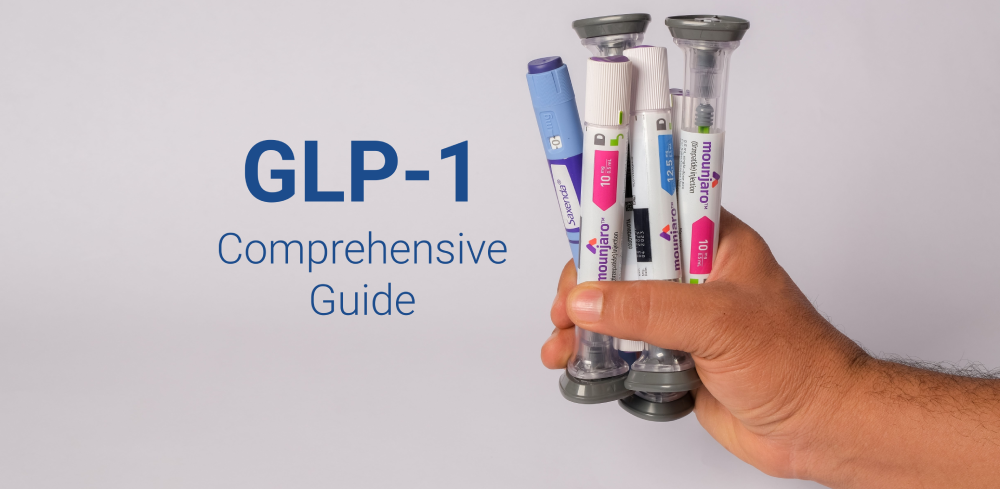
Several GLP-1 receptor agonists have risen to prominence, particularly when it comes to managing type 2 diabetes and assisting in weight management. Among these, Ozempic, Wegovy, and Trulicity are leading the charge with their distinct formulations and targeted benefits tailored to accommodate diverse patient needs.

Ozempic, featuring semaglutide, is tailored explicitly for adults managing type 2 diabetes, administered as a once-weekly injection. It has demonstrated considerable efficacy in stabilizing blood sugar levels while also promoting significant weight loss, an added benefit that bolsters its appeal among patients. Wegovy, another semaglutide formulation, is approved for long-term weight management and prompts meaningful weight loss, particularly in patients dealing with obesity-related health challenges.

Trulicity, noted for its active compound dulaglutide, offers the convenience of once-weekly injections combined with flexible dosage adjustments based on patient responses. It supports both glycemic control and weight loss, reinforcing its place in treatment protocols. When exploring GLP-1 therapies, patients are encouraged to consult healthcare professionals to tailor treatment plans based on individual health profiles and outcomes.

Market Dynamics and the Future of GLP-1 Therapies

The GLP-1 receptor agonists sector is experiencing remarkable growth, becoming one of the pharmaceutical industry’s frontrunners for diabetes and weight management solutions. Market data highlights a significant surge in sales and adoption rates, with consumer demand driving a significant portion of this expansion. The growing awareness and acknowledgment of obesity and diabetes as critical health issues have accelerated prescriptions and acceptance among both patients and healthcare providers.

Beyond their initial roles in diabetes management, ongoing research endeavors explore the capabilities of GLP-1 therapies for broader applications. Potential implications for cardiovascular diseases and other metabolic disorders are gaining traction within scientific communities, setting the stage for innovative treatment developments. As scientific understanding of GLP-1 and its receptors progresses, it paves the way for potential breakthroughs and repurposed therapies that could address a wider array of conditions.

In this evolving landscape, accessibility and affordability remain pivotal in ensuring these advancements benefit those who need them most. Dialogue among healthcare stakeholders, insurance providers, and policymakers will be critical in addressing barriers related to cost and availability, aiming to maximize the transformative potential of GLP-1 therapies in improving patient health outcomes across the globe.


Illuminating the Legacy and Future of IVF: From “Joy” to Global Accessibility

IVF: Historical Context and Current Challenges

In the annals of medical history, the advent of in vitro fertilization (IVF) stands out as a revolutionary breakthrough, providing hope to countless couples struggling with infertility. “Joy,” a recently released film, traces the origins of IVF, paying homage to the tenacious British scientists who faced significant opposition during its development in the late 1960s and ’70s. Their perseverance led to the birth of Louise Joy Brown in 1978, the world’s first baby conceived through IVF. Today, over 10 million children have been born thanks to this groundbreaking procedure, yet the film’s release coincides with renewed scrutiny and challenges facing fertility treatments across the globe.

The Impact of “Joy” on Public Perception

“Joy” does not merely recount the scientific achievement surrounding IVF; it delves into the social and religious resistance faced by its pioneers. With renowned actors like Bill Nighy and James Norton portraying those pivotal historical figures, the film not only highlights scientific endeavor but also brings to light the male-centric narratives that have often overshadowed women’s contributions. Jean Purdy, a key figure in the development of IVF, is finally given her due recognition. By weaving personal stories with historical facts, “Joy” invites viewers to reflect on both the past challenges and the ongoing debates surrounding assisted reproductive technology.

Future of IVF: Accessibility and Ethical Considerations

Despite the strides made since the first IVF birth, access to fertility treatment remains unevenly distributed, influenced by geographic location and financial capacity. In many countries, outwardly conservative views and budgetary constraints on public health systems have curtailed IVF availability. This mirrors a broader discussion within healthcare systems about who should have access to life-changing treatments and at what cost. The creators of “Joy” hope to ignite a conversation about maintaining the availability of IVF for all who need it, not just those who can afford it. The narrative challenges society to reconsider the allocation of healthcare resources, questioning whether financial capability should dictate access to avenues of hope for prospective parents.

The film “Joy” serves as a timely reminder of the fragile nature of progress in reproductive healthcare. It calls on audiences, policymakers, and medical professionals alike to ensure that the innovations spearheaded by early pioneers remain accessible to current and future generations. As the landscape of fertility treatment continues to evolve, the dialogue surrounding IVF will inevitably expand, highlighting the need for sustained advocacy and policy support to safeguard these critical medical advancements.

Betrayal in the OR: A Stark Lesson in Medical Trust and Accountability

Dallas Anesthesiologist Sentenced for Tampering with IV Bags: A Cautionary Tale of Trust and Accountability

In a grim episode that highlights the vital importance of trust and safety in healthcare settings, a Dallas anesthesiologist was sentenced to 190 years in prison after tampering with IV bags, leading to one death and numerous cardiac emergencies. This case has not only sent shockwaves through the medical community but also brought to light critical issues about patient safety and the profound responsibilities of healthcare professionals.

The Shocking Acts of Tampering

Raynaldo Riviera Ortiz Jr., a 60-year-old anesthesiologist, was convicted of injecting hazardous drugs into patient IV bags at a local surgical center between May and August 2022. This grave misconduct resulted in severe complications during routine medical procedures, including cardiac emergencies and, tragically, the death of a fellow healthcare worker. Evidence presented at trial showed Ortiz methodically introduced a dangerous cocktail of bupivacaine, epinephrine, and lidocaine into the IV bags, effectively transforming a life-saving medical supply into a potent weapon capable of causing serious bodily harm.

The legal proceedings against Ortiz shed light on the ethical breach and the ensuing legal consequences of his actions. The anesthesiologist faced charges of tampering with consumer products resulting in serious injury, a criminal act that strikes at the heart of patient trust. Chief U.S. District Judge David Godbey, who presided over the case, underscored the severity of Ortiz’s actions, stating they were akin to “attempted murder.” The 190-year sentence serves not only as punitive action but also as a stark reminder of the legal obligations healthcare providers must adhere to, emphasizing the zero-tolerance policy for actions that endanger patient safety.

Preventive Measures and Safety Protocols Moving Forward

This case has triggered widespread calls for even more stringent safety measures and oversight in medical settings to prevent similar incidents. The Food and Drug Administration’s Office of Criminal Investigations (FDA-OCI), along with other regulatory bodies, continues to stress the need for rigorous monitoring and reporting systems within healthcare facilities. Ensuring the integrity of medical supplies from production to administration is a critical step in safeguarding patient health.

Furthermore, this tragic event has sparked discussions on the mechanisms in place for detecting and addressing professional misconduct in healthcare. The medical community is urged to foster an environment where ethical practice is paramount and where peers are empowered to report suspicious behavior without fear of reprisal. Continuous education, coupled with comprehensive checks and balances, is vital in maintaining the sanctity of healthcare delivery and patient trust.

As the dust settles on this distressing chapter, the future forward involves not only reflecting on the lessons learned but also implementing actionable strategies to prevent recurrence. Reinforcing the culture of safety and accountability in healthcare remains paramount, reminding us all of the profound responsibility borne by those entrusted with patient care.

Crime and Consequences: The Unveiling of a Dallas Anesthesiologist’s Betrayal

Shocking Sentencing: The Case of the Dallas Anesthesiologist

The recent sentencing of a Dallas anesthesiologist, Raynaldo Riviera Ortiz Jr., to an astonishing 190 years in prison marks a pivotal moment in the intersection of healthcare and law enforcement. Ortiz, aged 60, was found guilty of tampering with IV bags at a local surgical center, leading to multiple cardiac emergencies and ultimately, the tragic death of a colleague. This verdict underscores the severe consequences of breaching patient safety and trust within the medical community.

Uncovering the Crime: A Timeline of Events

Between May and August 2022, patients at Surgicare North Dallas began experiencing unexplained cardiac emergencies during routine procedures. The untimely death of an anesthesiologist treating herself for dehydration in August heightened suspicions among colleagues, who eventually linked these medical crises to tainted IV bags. Lab analyses of the fluid in these bags revealed the presence of dangerous drugs such as bupivacaine, epinephrine, and lidocaine, alongside evidence of tampering, like punctures in the IV bags’ outer shells.

This meticulous investigation reached its peak when surveillance footage captured Ortiz in the act of tampering with the medical supplies. The video evidence showed him deliberately placing compromised IV bags in areas where they would likely be used, knowingly putting patients’ lives at risk. His actions coincided with disciplinary proceedings against him for alleged mistakes during surgical procedures, indicating potential motivations rooted in professional desperation.

Ortiz’s conviction serves as a grim reminder of the fragility of patient trust in healthcare providers. His actions, described by authorities as akin to an armed assailant’s indiscriminate attack, have left a lasting impact on both the victims and the broader medical community. The severe sentencing reflects the justice system’s stance on safeguarding patient health and the importance of maintaining integrity in medical practices.

The case sheds light on the crucial role of organizations like the Food and Drug Administration’s Office of Criminal Investigations (FDA-OCI) in uncovering and preventing such malpractices. This landmark prosecution highlights the need for stringent measures and vigilance in medical settings to prevent similar occurrences in the future.

As the medical community grapples with the implications of this case, it stands as a stark lesson on the importance of upholding ethical standards and the dire consequences of violating them. The ripple effects of Ortiz’s actions will propel ongoing discussions on security and oversight measures within healthcare institutions, ensuring such violations are swiftly identified and addressed to protect patient welfare.

“Hidden Dangers in Chloraminated Drinking Water: Unpacking a Growing Health Concern”

Unveiling Hidden Threats in Our Drinking Water: A Closer Look at Chloraminated Water

Drinking water safety is a topic that concerns millions across the globe. In an effort to ensure public health, various methods of water disinfection are employed. Among these, chloraminated water—utilizing inorganic chloramines—has become a common choice for water treatment. This method is used by over 113 million Americans, as well as populations across Canada, Asia, and Europe. However, recent research unveils potentially toxic byproducts resulting from this disinfection approach, sparking a debate over water safety and potential health risks.

The Rise of Chloraminated Water: Why This Method Has Gained Popularity

Chloramination has been increasingly adopted as a means to disinfect drinking water, partly due to concerns over byproducts associated with traditional chlorination. Chlorine, though effective, can lead to harmful byproducts linked to bladder and colon cancer, low birth weight, and miscarriages. To mitigate these concerns, many water utilities have shifted to chloramines for their ability to produce fewer dangerous byproducts. As a result, this method has become prominent in regions seeking safer alternatives for water disinfection.

The Unidentified Byproduct: A Hidden Chemical Threat

Despite the benefits chloramination offers in reducing certain risks, the process itself has been found to produce its own set of byproducts, some of which remain poorly characterized. A study led by Julian Fairey and published in “Science” has delved into this issue, identifying a compound long-mysterious to scientists, dubbed the “unidentified product.” Utilizing advanced techniques like high-resolution mass spectrometry and nuclear magnetic resonance spectroscopy, the research team revealed this component as the “chloronitramide anion.”

Detected in all chloraminated water samples tested—at concentrations exceeding typical regulatory limits—this compound raises red flags due to its potential toxicity. Although comprehensive toxicological studies are pending, the chemical structure and concentration levels suggest significant health risks, warranting immediate scientific investigation.

The discovery of potentially harmful byproducts in chloraminated water presents a challenging situation for public health officials and water utilities. As scientists call for further research into these compounds, there are recommendations for practical interim solutions, such as the use of home filtration systems with activated carbon blocks, which may help mitigate exposure.

Furthermore, the study suggests reconsidering the return to chlorine as a primary disinfectant, despite its own challenges. This switch would necessitate additional methods to neutralize the toxic byproducts chlorine can generate, adding complexity to water treatment processes.

As the conversation around water safety evolves, continuous research and regulatory action will be critical in balancing efficacy and safety in public water supplies. Collaborative efforts between researchers, water utilities, and health organizations are essential to protect communities and maintain confidence in the water we consume.

For further reading, access the full study by Julian L. Fairey et al, “Chloronitramide anion is a decomposition product of inorganic chloramines,” published in “Science.” Considerations of these findings are crucial for future advancements in water safety practices.

Unlocking Relief: Breakthrough Discoveries in Stress-Related Migraine Treatment

Unveiling the Path: New Discoveries in Stress-Triggered Migraines

Understanding the Mechanisms of Stress-Induced Migraines

Migraines, often dismissed as mere headaches, are actually symptoms of a genetic neurological condition that affects about one in seven individuals globally. These intense headaches come with a myriad of debilitating symptoms such as severe pain, nausea, and light sensitivity, significantly disrupting daily life. Recent research from the University of Texas Health Science Center at San Antonio has shed light on the pathways that trigger these migraines, particularly under stress.

According to the study led by Yu Shin Kim, Ph.D., the neuropeptide pituitary adenylate cyclase-activating polypeptide-38 (PACAP38) is significantly elevated during stressful situations. This peptide interacts with a mast cell receptor known as MrgprB2, releasing inflammatory compounds and heightening sensitivity in the trigeminovascular system of the dura, a connective tissue surrounding the brain and spinal cord. The result is increased headache severity and frequency.

Innovative Treatment Opportunities on the Horizon

In Kim's study involving mouse models, significant differences were observed between those with and without this specific mast cell receptor. Mice lacking the MrgprB2 receptor did not exhibit migraine symptoms or mast cell activation under stress, highlighting a potential target for therapeutic development. By inhibiting the interaction between PACAP38 and the MrgprB2 receptor, it may be possible to mute or entirely prevent the onset of stress-induced migraines.

This research could pave the way for novel treatment options, offering relief to those who do not respond to traditional vasodilator drugs, which are effective for only about half of migraine sufferers. The study suggests that by targeting the PACAP38-MrgprB2 pathway, migraine treatments can be more effectively tailored, especially for those who suffer frequently from stress-related episodes.

Stress and Migraines: A Long-standing Connection

This advancement in understanding the physiological and biochemical underpinnings of migraines offers insight into why stress is such a potent trigger. The release of PACAP38 in response to stress seems to be a protective mechanism warning the body of potential harm. Kim points out that the hypothalamic-pituitary-adrenal (HPA) axis, which controls stress response, plays a pivotal role in the prodrome phase leading to migraines.

Elevated cortisol levels, a byproduct of HPA axis activation, are often observed in those predisposed to migraines, further substantiating the link between stress and these severe headaches. By appreciating this connection, healthcare providers can better manage and anticipate migraine occurrences, promoting pre-emptive strategies to mitigate stressors before they manifest as pain.

As researchers continue to explore this pathway and its implications for stress and migraine management, a clearer understanding will aid in the development of more effective, personalized treatments. With this knowledge, the medical community hopes to combat migraines more efficiently, ultimately improving the quality of life for millions of sufferers.

Unveiling GLP-1: Revolutionizing Diabetes, Obesity, and Beyond

Understanding GLP-1: A Key Player in Modern Healthcare

As we continue to explore the intersection of healthcare and innovation, one hormone has been steadily gaining recognition: GLP-1, or glucagon-like peptide-1. This hormone stands at the forefront of managing systemic issues like obesity and diabetes. But what exactly is GLP-1, and why is it becoming a household name in medical conversations?

What is GLP-1 and How Does It Work?

GLP-1 is a hormone naturally produced in the intestines, which plays pivotal roles in both metabolism and appetite regulation. When you consume food, GLP-1 is secreted, working efficiently to stimulate insulin release while inhibiting glucagon. This dual mechanism helps lower blood sugar levels, making it crucial for individuals managing type 2 diabetes. Furthermore, GLP-1 contributes to feelings of satiety, helping reduce total food intake—a beneficial effect for tackling obesity.

The scientific interest in GLP-1 has grown dramatically with the advancement of receptor agonists such as semaglutide and liraglutide. These medications mimic GLP-1's natural actions, acting as powerful therapeutic options for weight loss and glycemic control.

Trending GLP-1 Products: An Overview

A deeper dive into the pharmaceutical world reveals some frontrunners in the GLP-1 receptor agonists category. Medications like Ozempic, Wegovy, and Trulicity, each cater to specific patient needs. For instance, Ozempic, with semaglutide as its active component, is a once-weekly injection effectively used for improving glycemic control in type 2 diabetes. It's not just about managing diabetes; Ozempic has been associated with notable weight loss as well.

Wegovy, another semaglutide-based product, but specifically designed for long-term weight management, addresses obesity's challenges. Clinical trials support its efficacy, making it a significant part of anti-obesity strategies. Trulicity, which uses dulaglutide, offers a flexible dose-adjustment approach while maintaining once-weekly administration, balancing glycemic control with weight management effectively.

The Growing Impact of GLP-1 in the Market

The pharmaceutical market has witnessed an unprecedented rise in GLP-1 receptor agonists' popularity. Sales of these medications have reached new heights, signaling their profound impact on both consumers and healthcare providers. GLP-1 drugs are outperforming other diabetes and weight management treatments, with the market predicted to reach billions globally in the coming years.

This growth is fueled by the increasing prevalence of obesity and diabetes, and an enhanced collective understanding of these conditions as critical public health issues. Noteworthy too, is the expanding insurance coverage and strategic marketing that have broadened these medications' reach further.

The Future of GLP-1: A Transformative Force in Healthcare

As we look to the future, the potential of GLP-1 therapies to transform healthcare is enormous. Initially purposed for diabetes, their application in weight management and emerging interest in cardiovascular health presents exciting new avenues for research and treatment. GLP-1's role may expand into preventive strategies if current studies validate cardiovascular benefits.

An essential aspect of this evolving landscape will be the accessibility and affordability of GLP-1 therapies. Ensuring these treatments are widely available can significantly impact public health outcomes, opening doors to comprehensive management not only of diabetes and obesity but possibly heart health as well.

In this era of innovation, continuous engagement among stakeholders—healthcare providers, patients, policymakers—will be crucial in overcoming challenges associated with GLP-1 therapies. As our understanding grows, so too does our capability to leverage GLP-1's promise towards healthier tomorrows.

Navigating the Digital Mind: The Impact of Online Content on Mental Health

The Connection Between Mental Health and Online Content Consumption

A recent study conducted by researchers at University College London sheds light on the link between mental health and the consumption of online content. The study reveals a bidirectional relationship: individuals with poorer mental health are more likely to consume negative content online, which in turn exacerbates their symptoms. This vicious cycle poses significant challenges for mental health management, highlighting the need for awareness and intervention strategies.

Negative Content and Mood: A Causal Relationship

The research combines natural language processing and detailed analysis of participants' browsing histories to explore this relationship further. Participants with mood or mental health challenges showed a tendency to browse negatively-tinged content, which worsened their mood—a direct, causal effect confirmed through experimental manipulation. When exposed to negative content, participants reported further declines in mood, emphasizing the feedback loop that negative online content can create. This loop, where a worsened mood leads to more negative browsing, can significantly affect the mental well-being of individuals.

Innovations in Browsing: The Role of Content Labels

In response to these findings, researchers developed a browser plugin that provides content labels—similar to nutrition labels on food—informing users of a webpage's emotional impact, practicality, and informativeness. Initial studies using this plugin revealed that participants were more likely to choose content positively labeled to improve mood, resulting in better mood states post-browsing. This approach offers a promising intervention for breaking the cycle of negative content consumption and poor mental health.

As the digital landscape evolves, the implementation of tools that promote positive content interaction could enhance overall mental well-being. Such innovations underscore the importance of intentional content consumption and the significant role it plays in mental health management.

Looking Ahead: Improving Mental Health through Digital Diet

This research emphasizes the ongoing debate regarding mental health and digital behavior. While previous studies focused on the quantity of digital consumption (screen time and frequency), this study highlights the emotional tone's impact on health outcomes. The browser plugin developed by researchers offers a proactive approach to digital consumption, prompting users to make healthier choices in content consumption.

In today's hyper-connected world, understanding the effects of digital behavior on mental health is critical. Strategies like content labeling could prove instrumental in fostering a healthier digital environment. Continued efforts to develop and implement such interventions may support individuals in managing their mental health more effectively and contribute to a broader understanding of digital consumption's role in psychological well-being.

“Exploring the Hidden Impact of Substance Use on American Society: Unveiling the Broad Repercussions Beyond the Individual”

Understanding the far-reaching impact of substance use on American lives

Substance use has long been a public health concern, primarily due to its immediate harms on the individual consumer. However, emerging research shifts the spotlight to the broader social ramifications, revealing how substance use extends its impact far beyond the individual, affecting millions of Americans. According to a recent study published in the Journal of Studies on Alcohol and Drugs, an unsettling number of U.S. adults report suffering from 'secondhand harm' due to others' alcohol and drug use. This pivotal survey, which collected data from nearly 8,000 adults, provides a candid insight into the vast collateral damage associated with substance use.

A deeper dive into secondhand harm statistics

The study reports that approximately 160 million Americans have been adversely affected by someone else's substance use. With 34% of respondents claiming to have faced issues due to another person's alcohol consumption, the spectrum of harm ranges from fractured family dynamics to financial turmoil and even being victimized by drunken driving accidents. Likewise, 14% of surveyed individuals indicated having experienced repercussions from others' drug use, such as marijuana or opioids.

This interconnectedness is not only alarming but also profoundly affects societal well-being. A notable overlap appears among those afflicted: nearly a third of those reporting harms from alcohol also encountered issues related to drug use. The findings underscore a crucial fact: for every person grappling with substance use disorders, numerous others are invariably impacted, highlighting a multifaceted public health issue requiring comprehensive intervention strategies.

Responding to a public health imperative

Awareness of the secondary effects of substance use brings us to a critical juncture in public health discourse. As these insights reveal, it is imperative to address not only the individuals with substance use disorders but also the broader network of people affected. This understanding necessitates enhanced access to substance abuse treatment and preventive measures, such as stringent laws against impaired driving and initiatives promoting responsible consumption.

Moreover, the study calls for a recalibration of harm reduction strategies, recognizing the need to mitigate the ripple effects of substance use through community-based interventions. Policymaking and healthcare strategies must be inclusive of these findings to bolster the support systems for those indirectly afflicted—fostering resilient communities that can withstand the wide-ranging consequences of substance use.

In conclusion, as we advance the discourse on substance use, it is vital to incorporate these revelations into a cohesive framework aimed at reducing harm, not just for users but for society at large. The reportage from Medical Xpress emphasizes a collective responsibility to acknowledge and address the extensive societal burden of substance use. By doing so, we can aim towards a more holistic approach in public health, striving for prevention, support, and rehabilitation of all directly and indirectly impacted by these challenges.

Atrial Fibrillation Breakthroughs: Weighing LAA Closure and Anticoagulants in Patient Care

Exploring the Latest Treatment Options for Atrial Fibrillation: LAA Closure vs. Anticoagulants

In the evolving landscape of atrial fibrillation (AF) treatments, the choice between left atrial appendage (LAA) closure devices and oral anticoagulants is gaining significant attention. This article delves into the recent advancements and trial findings, offering insights into how these options compare and what this means for healthcare providers and patients alike.

LAA Closure Devices: A Promising Option

Recent developments in stroke prevention for AF patients have highlighted the efficacy of LAA closure devices, such as the WATCHMAN FLX by Boston Scientific. The OPTION trial, a multicenter, randomized study conducted across 106 sites in 10 countries, compared LAA closure devices directly with oral anticoagulants. The trial included 1600 AF patients with a moderate to high risk for stroke, aiming to establish the efficacy and safety profiles of these devices relative to traditional anticoagulation therapy.

One of the standout outcomes from the OPTION trial was the finding that LAA closure demonstrated noninferiority to oral anticoagulants concerning major efficacy endpoints, including all-cause mortality, stroke, and systemic embolism rates. Furthermore, LAA closure was superior in minimizing the risk of significant bleeding events unrelated to procedural complications, a promising development for patients seeking alternatives to long-term anticoagulant therapy.

Anticoagulants: The Traditional Approach

Oral anticoagulants have long been the cornerstone of AF management, effectively reducing stroke risk by preventing clot formation. In the OPTION trial, anticoagulants were shown to maintain comparable efficacy to LAA closure devices regarding stroke prevention and systemic embolism rates. However, they exhibited a higher rate of bleeding complications, which remains a crucial consideration for patient management, especially for those with increased bleeding risks or comorbidities.

Despite their effectiveness, anticoagulants require continuous adherence, regular monitoring of coagulation levels, and management of potential dietary and medication interactions, which can pose a challenge for some patients.

Decision Making in AF Management

The choice between LAA closure and anticoagulants for AF management should be tailored to individual patient profiles, factoring in the risk of stroke, potential bleeding complications, lifestyle considerations, and patient preferences. In this regard, LAA closure can serve as a compelling option for patients poorly suited for long-term anticoagulation or those with a history of bleeding complications.

For healthcare providers, staying abreast of the latest clinical trials and advancements in AF treatment options, such as the latest findings from the OPTION trial, is crucial for optimizing patient outcomes and personalizing treatment strategies. It also emphasizes the need for comprehensive discussions with patients about the risks, benefits, and long-term implications of each treatment modality.

As the management of AF continues to evolve, embracing innovative treatment approaches like LAA closure, alongside traditional anticoagulation methods, offers promising avenues for improving quality of life and clinical outcomes for patients living with atrial fibrillation.


In this article, we've reviewed the transformative potential of LAA closure devices compared with traditional oral anticoagulants, a topic reflective of broader trends in personalized medicine and advanced cardiovascular care. Informed decision-making between these treatment modalities holds the promise of more effective, safer management strategies for patients with atrial fibrillation.