All posts by JESS

Eggnog: The Drink That Indirectly Led to Grandma Getting Run Over by a Reindeer

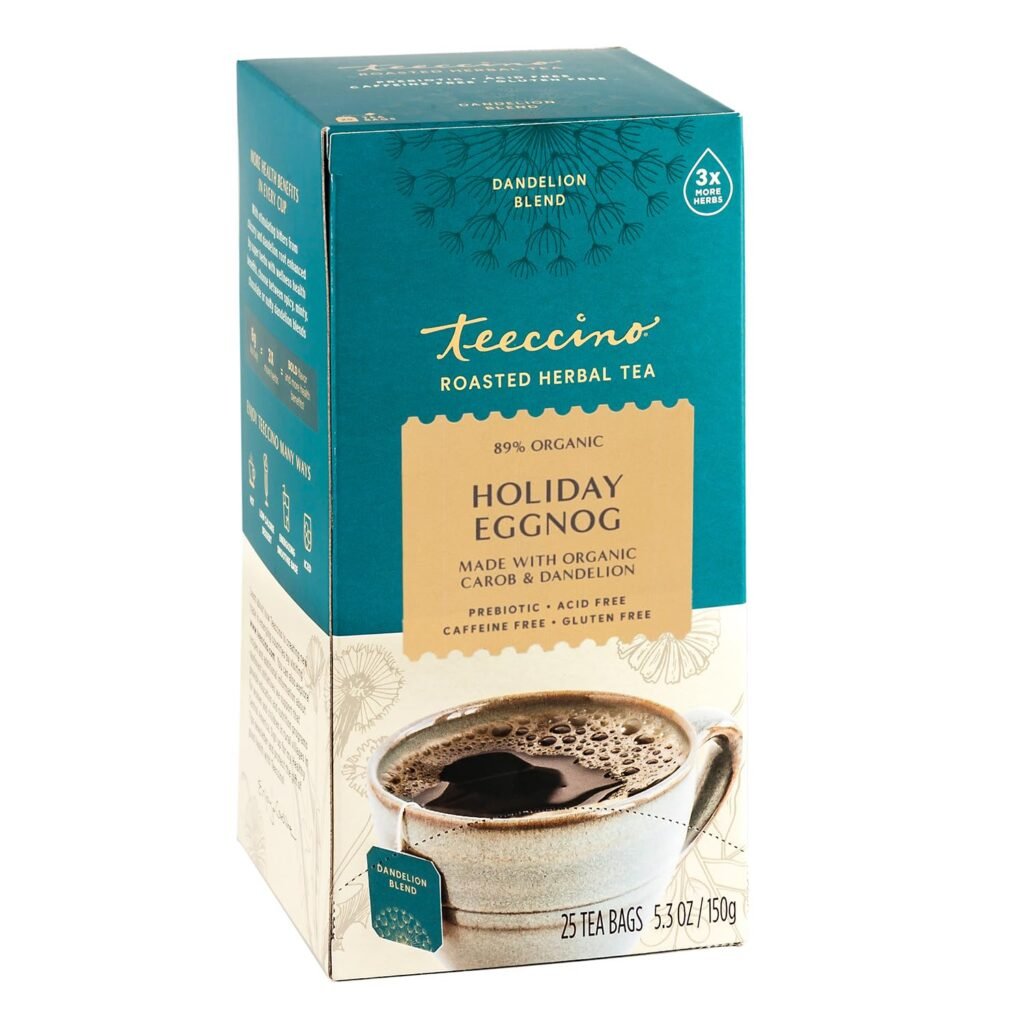
The Festive Tradition of Eggnog

Eggnog, a rich and creamy beverage, has established itself as a staple of holiday celebrations in many cultures. Its origins can be traced back to the 1700s, deriving from a medieval drink known as “posset,” made from heated milk and ale or wine. Over time, this concoction evolved, giving rise to eggnog as we know it today, incorporating eggs and sugar, and often spiced with nutmeg or cinnamon. Early versions of eggnog were enjoyed primarily by the aristocracy, who imbued it with alcoholic spirits to create a warm, convivial atmosphere.

As the drink gained popularity, it transcended social classes and became a beloved tradition embraced by families during the festive season. Its association with Christmas festivities flourished, evolving into a symbol of conviviality and comfort. This creamy concoction is often served during holiday gatherings, evoking a sense of nostalgia and togetherness that many cherish. Indeed, eggnog’s ability to evoke warm memories contributes to its enduring place at the holiday table, often prepared from scratch and lovingly shared with loved ones.

However, eggnog also carries an air of controversy. The drink has become polarizing, with strong opinions on its flavor and texture. For some, the indulgent qualities of eggnog—its rich creaminess heightened by the warmth of spirits—create a festive experience that is unparalleled. Others, however, find the taste cloying or the texture too thick for their preference. This divide has sparked conversations and debates surrounding its merit as a holiday staple. Ultimately, eggnog remains a festive tradition, encapsulating the spirit of the season, while simultaneously stirring discussions regarding its appeal. In this way, eggnog not only enhances holiday gatherings but also enriches the cultural tapestry of seasonal celebrations.

What is Eggnog Made Of?

Eggnog is a traditional holiday beverage known for its rich and creamy texture, which is primarily achieved through a few key ingredients. The classic recipe typically begins with eggs, which provide both flavor and a silky consistency. When the eggs are beaten and combined with sugar, they undergo a process that creates a luscious base that is the hallmark of this festive drink.

Another essential component of eggnog is dairy, usually in the form of whole milk or heavy cream. The inclusion of milk contributes to the drink’s luxurious mouthfeel, while cream adds an additional layer of richness and flavor. The proportion of milk to cream can vary based on individual preferences, allowing for a customizable experience when it comes to taste and texture.

To enhance the flavor further, sugar is incorporated, countering any potential eggy taste and contributing a delightful sweetness that makes eggnog especially enjoyable. Some recipes also call for spices such as nutmeg or cinnamon, giving the beverage its characteristic aromatic profile that evokes a sense of warmth and nostalgia during the holiday season.

An optional component to eggnog is alcohol, typically rum, bourbon, or brandy, which adds depth and complexity to the flavor. The addition of alcohol not only elevates the drink’s festive spirit but also aids in balancing the sweetness of the other ingredients. For those seeking lighter or non-alcoholic variations, recipes may substitute lower-fat dairy options or eliminate alcohol altogether, demonstrating the versatility of eggnog’s preparation.

Overall, the unique blend of eggs, sugar, milk or cream, and optional spirits results in a drink that is synonymous with holiday celebrations. Its myriad of variations highlights how eggnog can be tailored to suit diverse tastes, ensuring that this time-honored beverage remains a beloved fixture in seasonal festivities.

The Art of Mixing Eggnog: Best Pairings & Cocktails

Eggnog, a traditional holiday beverage, boasts a rich and creamy texture that serves as the perfect foundation for various cocktail creations. When mixing eggnog, selecting the right alcohol can significantly enhance its flavor profile. Dark rum is a popular choice; its caramel and spice notes complement the sweetness of eggnog beautifully. Alternatively, bourbon delivers a warm, oaky flavor that marries well with the drink’s creamy components, creating a rich and inviting experience. For those seeking a more luxurious twist, cognac introduces a sophisticated depth, making it an excellent pairing for festive gatherings.

Aside from the classic eggnog concoction, there are numerous creative cocktail recipes to explore. One delightful option is the Eggnog White Russian, which adds coffee liqueur to the traditional mix, resulting in a delightful coffee-infused creaminess. Another intriguing variation is the Pumpkin Eggnog Martini, where pumpkin spice and vanilla vodka transform the festive drink into a seasonal treat. Each region often has its spin on eggnog, emphasizing local spirits or flavors, showcasing the versatility of this beloved holiday beverage.

When it comes to serving eggnog, presentation plays an essential role in the overall experience. A beautiful glass can elevate the enjoyment, and garnishing with freshly grated nutmeg or a sprinkle of cinnamon adds an aromatic touch. Additionally, whipped cream or a dollop of meringue can enhance the drink’s creaminess while providing a visually appealing contrast. Reimagining eggnog with these elements ensures that each sip is not only delicious but also visually enticing, making it a centerpiece at holiday festivities. As you experiment with these suggestions, be sure to enjoy the process of mixing and savoring this cherished drink.

The Love-Hate Relationship with Eggnog

Eggnog, a creamy and spiced beverage traditionally enjoyed during the holiday season, elicits a wide range of reactions from consumers. For some, it is a cherished part of festive traditions, evoking memories of family gatherings and warm celebrations. Others, however, approach this drink with skepticism, often citing its unique texture and flavor profile as reasons for their aversion. This dichotomy creates what can only be termed a love-hate relationship with this seasonal delight.

Fans of eggnog frequently tout its rich, velvety texture and the comforting blend of spices such as nutmeg and cinnamon. These sensory characteristics contribute to its appeal, allowing consumers to associate it with festive cheer and nostalgia. The personalization of the drink, from alcoholic variations to non-dairy alternatives, enhances its accessibility, inviting individuals to make their own versions to suit their taste preferences. As beverage expert Dunne notes, the versatility of eggnog fosters a sense of creativity among its enthusiasts, further solidifying its place in holiday traditions.

Ultimately, the seasonal allure of eggnog brings individuals together, even amidst differing opinions. The evolving landscape of beverage preferences continues to influence how eggnog is embraced or rejected, highlighting the dynamic nature of consumer tastes and seasonal traditions.

Understanding Preeclampsia: Symptoms, Causes, and Treatment Options During Pregnancy

What is Preeclampsia?

Preeclampsia is a pregnancy-related complication characterized by high blood pressure and damage to other organ systems, often the kidneys. This condition typically develops after the 20th week of gestation and can pose significant risks to both the mother and the fetus if left untreated. It is crucial to recognize preeclampsia early, as it may progress to more severe forms, such as eclampsia, which involves seizures and can result in severe morbidity or mortality.

Clinically, preeclampsia is defined as the occurrence of hypertension, with blood pressure readings of 140/90 mmHg or higher, and the presence of protein in the urine. Additionally, it may present with symptoms such as severe headaches, visual disturbances, and abdominal pain, indicating involvement of other organ systems. The precise cause of preeclampsia remains unclear, but it is believed to involve factors related to abnormal placentation, immune response, and genetic predisposition.

Globally, preeclampsia affects approximately 5-8% of pregnancies, making it a significant public health concern. Statistics indicate that this condition is a leading cause of maternal and fetal complications, contributing to preterm births, placental abruption, and long-term health issues for both mothers and their children. In addition, the World Health Organization highlights that untreated preeclampsia accounts for a substantial number of maternal deaths annually, underscoring the urgency of its identification and management.

In light of the potential repercussions of preeclampsia, it is imperative for healthcare providers to ensure vigilant monitoring during prenatal visits. Early detection and intervention can significantly improve maternal and fetal outcomes, minimizing the risks associated with this serious pregnancy complication.

Symptoms of Preeclampsia

Preeclampsia is a complex condition that can arise during pregnancy, typically after the 20th week, and is characterized by elevated blood pressure and signs of damage to other organ systems, often the kidneys. It is important to note that many women with preeclampsia may not exhibit obvious symptoms, making routine prenatal visits crucial for monitoring and early detection. However, there are several common symptoms that can indicate the presence of this condition.

One of the most frequently reported symptoms of preeclampsia is a severe headache that does not respond to standard pain relief treatments. This headache may be persistent and can be accompanied by other sensations such as dizziness. Abdominal pain, particularly in the upper right quadrant, is another symptom that can signal the onset of preeclampsia. This pain often arises due to swelling of the liver or other complications associated with elevated blood pressure.

Visual disturbances are also a notable indicator of preeclampsia. Affected individuals may experience blurred vision, light sensitivity, or even sudden onset of seeing spots or flashes of light. These symptoms can be alarming and warrant immediate medical evaluation. In addition to these indicators, swelling (edema) in the hands and face is commonly observed, although this can sometimes occur in normal pregnancies without indicating preeclampsia.

It is crucial for expecting mothers to attend all scheduled prenatal appointments, where healthcare providers monitor blood pressure and assess any potential symptoms of preeclampsia. Early detection through these routine check-ups is vital to managing the condition effectively and ensuring the safety of both the mother and the unborn child. Awareness of these symptoms can help women recognize potential issues early and seek the appropriate medical intervention when necessary.

Causes and Risk Factors of Preeclampsia

Preeclampsia is a complex pregnancy-related condition with multiple contributing factors. One of the primary causes is the placenta, which plays a crucial role in the development of preeclampsia. Abnormalities in the formation of blood vessels in the placenta can lead to insufficient blood supply to the fetus, resulting in gradient inflammatory responses that can contribute to high blood pressure in the mother. This placental issue is often at the heart of the disorder, as it disrupts the balance of necessary nutrients and oxygen.

Chronic health conditions significantly increase the risk of developing preeclampsia. Women with a history of hypertension or chronic kidney diseases are particularly vulnerable, as these conditions can exacerbate blood pressure levels during pregnancy. Additionally, diabetes, including gestational diabetes, is another risk factor. The presence of these pre-existing conditions can provoke systemic complications that favor the onset of preeclampsia, giving rise to a challenging interplay between maternal health and pregnancy outcomes.

Genetics also plays a critical role in susceptibility to preeclampsia. Women who have a family history of hypertension or preeclampsia are at a higher risk themselves. Further, immunological factors could contribute to this condition; for instance, an abnormal immune response to the placenta may trigger inflammation. Environmental aspects, such as high altitudes and dietary deficiencies, can also lead to increased risk. Lifestyle choices, such as obesity, older maternal age, and inadequate prenatal care, are associated with a higher incidence of preeclampsia.

Understanding these causes and risk factors of preeclampsia provides valuable insights into prevention and early identification. By recognizing the broad spectrum of influences, healthcare providers can better tailor monitoring and interventions to improve maternal and fetal health outcomes during pregnancy.

Treatment and Management Strategies

Treatment and management of preeclampsia require a comprehensive approach tailored to the severity of the condition and the gestational age of the pregnancy. Initially, healthcare providers often recommend lifestyle modifications for those diagnosed with mild preeclampsia. These modifications may include dietary adjustments, increased hydration, and adequate rest. Regular monitoring of blood pressure and symptoms is crucial, as it allows for timely interventions if the condition worsens.

For patients experiencing moderate to severe preeclampsia, the management becomes more intricate. Frequently, providers will employ a strategy involving hospitalization, where continuous monitoring of both the mother and fetus can occur. Medications such as antihypertensives are often prescribed to lower blood pressure and prevent complications, including progression to eclampsia. Additionally, magnesium sulfate is commonly administered to prevent seizures, a significant risk associated with severe preeclampsia.

Ultimately, the only definitive cure for preeclampsia is delivery of the baby. However, determining the optimal timing for delivery poses a critical challenge. Healthcare professionals must weigh the benefits of prolonging the pregnancy against the risks of the mother experiencing severe complications. In some cases, if the baby is sufficiently mature, early delivery may be recommended to safeguard both the maternal and fetal health. Careful assessment through ultrasounds and monitoring laboratory values is essential in guiding this decision-making process.

As preeclampsia progresses, close collaboration among obstetricians, maternal-fetal medicine specialists, and, if necessary, neonatologists becomes vital. This multidisciplinary approach ensures that all aspects of care are addressed effectively, focusing on the well-being of both mother and child. The management of preeclampsia undoubtedly requires vigilance and coordination, emphasizing a personalized care plan to ultimately achieve the best possible outcomes.

Mastering the Art of Roasting Chestnuts: Your Ultimate Holiday Guide

Introduction to the Holiday Season and Chestnuts

The holiday season is a time of joy, connection, and culinary delights, bringing families and friends together to celebrate. As the air turns crisp and the days grow shorter, the delightful aroma of seasonal treats fills homes. Among these cherished delights are traditional foods such as gingerbread cookies, but one of the most captivating is, without a doubt, roasted chestnuts. This age-old treat has warmed hearts and homes for centuries and continues to be a staple during winter festivities.

Roasting chestnuts is not merely about indulging in its unique flavor; it is an experience that engages the senses. The sound of chestnuts crackling as they cook, the warm, nutty aroma that wafts through the kitchen, and the satisfaction of peeling them open reveal the tender, sweet flesh inside. This culinary activity can be enjoyed indoors, even in the absence of a classic hearth. With just an oven or an open fire, anyone can bring this holiday tradition to their kitchen.

Engaging in the practice of roasting chestnuts can become a cherished holiday ritual. Families can gather around to prepare and roast chestnuts, sharing stories and laughter as they await the tasty treat. This activity not only enhances the festive atmosphere but also encourages creativity in how the roasted chestnuts can be incorporated into various recipes, lending versatility to their use in both sweet and savory dishes.

As we embark on the delicious journey of holiday cooking, let roasted chestnuts remind us of the warmth and joy that the season brings. From their effortless preparation to the loving memories created, chestnuts symbolize the essence of holiday spirit—a perfect way to embrace this joyful season of celebration and togetherness.

Choosing the Perfect Chestnuts

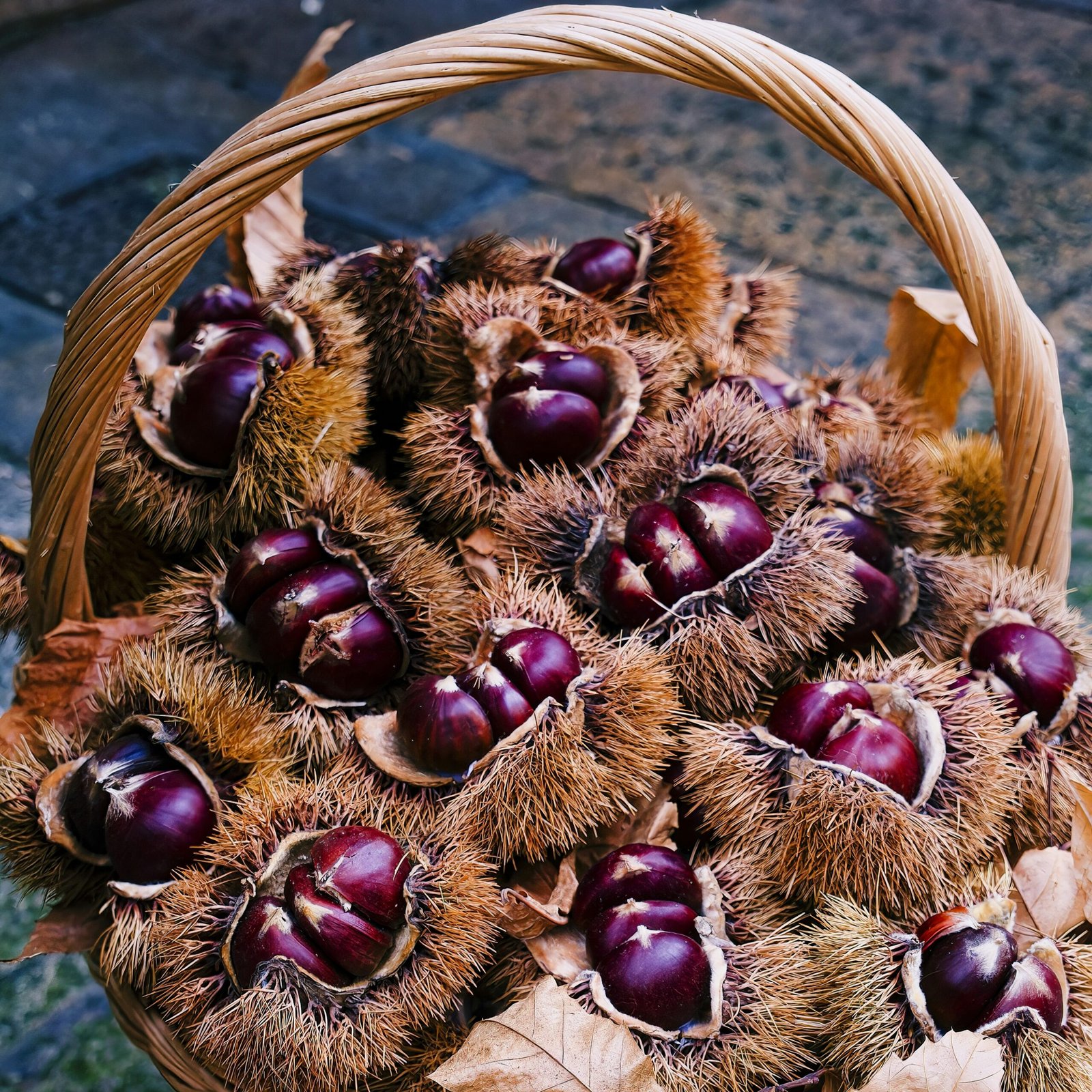
Selecting high-quality chestnuts is a crucial step in ensuring a delightful roasting experience. When shopping for these seasonal nuts, it is essential to choose those that are not only of good size but also exhibit appealing visual characteristics. Look for chestnuts that are smooth and shiny, as this indicates freshness. A dull appearance may suggest that the nuts have been stored for too long or are starting to spoil.

Size matters when it comes to chestnuts, with larger ones often indicating a better flavor and more substantial texture. However, consistency is just as important; it is advisable to select a batch where the nuts are uniform in size. This consistency ensures even cooking when roasting, resulting in a better overall taste experience. According to Dr. Kristen Hamm, a nutrition expert and food scientist, the texture of chestnuts is also vital. “Chestnuts should feel firm and slightly heavy for their size,” she notes. If they feel too dry, they might not be fresh, and a high-quality chestnut should not have any signs of mold or blemishes on the shell.

Moreover, tapping the chestnuts can provide additional insight into their quality. A hollow sound may suggest that the nut is dry or has deteriorated, while a solid thud usually indicates a plump, healthy nut. Additionally, checking for cracks in the shell is important; while some minor imperfections can be natural, significant cracks may suggest that the chestnut is compromised in quality.

By focusing on these factors—size, appearance, and texture—you can confidently hand-select chestnuts that will elevate your holiday dishes. The effort put into choosing the right chestnuts will enhance their flavor and overall enjoyment during your holiday gatherings.

Preparing Chestnuts for Roasting

Once you have gathered your chestnuts, the first step in the preparation process involves ensuring they are clean and ready for roasting. Rinse the chestnuts under cold water to remove any dirt or debris that may have accumulated during harvesting or transportation. This initial washing is crucial as it helps to maintain the quality of the nuts and ensures a cleaner roasting experience.

After rinsing, the next critical step is scoring the chestnuts. This process entails making a shallow cut in the shell, preferably in an “X” shape on the flat side of each nut. Scoring serves a dual purpose: it helps release steam during roasting, preventing the nuts from exploding, and also facilitates easier peeling once roasted. As Michelle Gooden points out, neglecting to score can lead to unfortunate bursts that not only create a mess but also compromise the nut’s integrity and flavor.

Following the scoring, soaking the chestnuts in water for approximately 30 minutes is advisable. This step significantly softens the nuts, making the peeling process more manageable once they are cooked. Soaking also adds a subtle moisture content that can contribute to a crisper exterior while roasting. After soaking, drain the chestnuts and pat them dry before proceeding to cook them.

By adhering to these essential preparation steps of rinsing, scoring, and soaking, you set the stage for a successful roasting experience. Properly prepared chestnuts not only ensure safety during cooking but also enhance the overall flavor profile, making your holiday roast a delightful treat. As you embark on this culinary journey, remember that the quality of your preparation directly influences the enjoyment of your roasted chestnuts.

The Roasting Process Explained

Roasting chestnuts in an oven is a delightful culinary tradition, particularly during the holiday season. To begin, it is essential to preheat your oven to 425°F (220°C). This temperature is ideal for achieving that crisp outer shell and tender inner flesh characteristic of perfectly roasted chestnuts.

The first step involves preparing the chestnuts. Begin by selecting high-quality nuts, looking for those that are firm and feel heavy for their size. Before roasting, you must score the chestnuts to prevent them from bursting. Using a sharp knife, make a deep ‘X’ on the flat side of each nut. This notch allows steam to escape during roasting and simplifies the peeling process once they are cooked.

Next, arrange the chestnuts on a baking sheet. It is crucial to avoid overcrowding; ensure they are in a single layer to allow for even cooking. Overlapping or piling them together may lead to uneven roasting and undesirable textures.

Once positioned, place the baking sheet in the preheated oven. You should roast the chestnuts for about 25 to 30 minutes, and it is advisable to rotate the baking sheet halfway through this period. This rotation helps achieve uniform roasting and prevents any from becoming overly crisp while others remain undercooked.

To check for doneness, look for their shells to have split open and for a fragrant aroma to fill your kitchen. Upon removal from the oven, let them cool briefly. While they are still warm, peel away the outer shells. In this post-roasting phase, handling them while warm can aid in easier peeling, as the nuts tend to be more pliable at this temperature. Enjoy your freshly roasted chestnuts warm, or store them for later enjoyment during the festive season.

Tips for Easy Peeling of Roasted Chestnuts

Roasting chestnuts can be a delightful culinary experience, but the challenge often lies in the peeling process. Once your chestnuts are roasted to perfection, proper handling is key to enjoying their rich flavor without frustration. Here are some practical tips for effectively peeling roasted chestnuts.

First, allow the roasted chestnuts to cool for a few minutes but not entirely. Working with warm chestnuts makes them easier to peel, as their shells remain slightly pliable. Once they are cool enough to handle, place them on a cutting board or a clean surface. Use a sharp knife to make a shallow cut along the curved side of each chestnut before roasting; this initial incision helps loosen the shell during the peeling process.

Using your fingers, gently squeeze the chestnut to crack the shell open along the incision. If needed, a nutcracker can assist in applying the right amount of pressure without damaging the nut inside. Carefully peel back the outer shell, taking care to remove any fragments that may cling to the nut. This step is essential as the shell can sometimes hold onto small pieces of the inner skin, known as pellicle.

To remove the inner skins easily, you may consider soaking the roasted chestnuts in warm water for a few minutes. This method helps to further loosen the pellicle, making it less likely to tear. Once the skins are fully detached, you can enjoy the tender, sweet chestnuts without any unpleasant texture from the skins. Furthermore, using a small brush or cloth can assist in removing any pesky bits that may remain stuck. Overall, these methods will enhance your chestnut-eating experience and allow you to savor their unique flavors more effortlessly.

Health Benefits of Roasted Chestnuts

Roasted chestnuts are more than just a delightful seasonal treat; they offer an impressive array of health benefits that make them a worthy addition to your diet. Unlike many other nuts, chestnuts are low in calories and fat, making them an appealing option for those looking to maintain a healthy lifestyle. This nutritional profile sets chestnuts apart, as they provide a satisfying snack without the higher caloric intake of other varieties.

Chestnuts are rich in essential vitamins and minerals, including vitamin C, vitamin B6, potassium, and magnesium. According to Dr. Hamm, a recognized nutrition expert, these nutrients contribute significantly to several aspects of health. Vitamin C, for instance, aids in boosting the immune system, helping the body to fend off infections and diseases. Additionally, the presence of B vitamins plays a crucial role in energy metabolism, supporting overall vitality.

One of the standout features of chestnuts is their contribution to heart health. They are a source of antioxidants, particularly flavonoids, which combat oxidative stress and inflammation in the body. As Dr. Hamm points out, consuming chestnuts regularly can help improve cardiovascular health by reducing cholesterol levels and supporting healthy blood pressure. Furthermore, their low glycemic index makes them a favorable food choice for those managing diabetes, promoting better blood sugar control compared to many other nut options.

Incorporating roasted chestnuts into your diet not only provides a delicious flavor but also supports essential health outcomes. From enhancing heart health and boosting immunity to aiding in diabetes management, these edible delights embody both culinary pleasure and nutritional value, making them a standout choice for holiday gatherings and everyday consumption alike.

Delicious Ways to Enjoy Roasted Chestnuts

Roasted chestnuts provide a delightful taste and texture that can be enhanced through various preparation methods. Whether you gravitate towards sweet or savory flavors, there are numerous creative ways to enjoy this seasonal treat. One popular approach involves seasoning your chestnuts with a blend of cinnamon and brown sugar for a comforting, dessert-like experience. This sweet mixture not only warms the palate but also pairs beautifully with a dash of whipped cream or vanilla ice cream, making it a festive addition to your holiday dessert table.

On the savory side, roasted chestnuts can be tossed with olive oil, sea salt, and a sprinkle of rosemary or thyme. These herbaceous notes elevate the natural flavor of the chestnuts, making them an excellent complement to roasted meats or savory appetizers. When served alongside a cheese platter, their rich, buttery texture contrasts pleasingly with sharp cheeses like aged cheddar or tangy blue cheese, creating an inviting snacking option during holiday gatherings.

For those looking to experiment beyond traditional seasonings, consider creating a spiced blend using paprika, cayenne pepper, and garlic powder. This mix will add a spicy kick to your chestnuts, transforming them into a unique and flavorful snack. Additionally, roasted chestnuts can be integrated into salads, providing a crunchy element that enhances green salads or grain bowls. Tossing them into a salad with arugula, cranberries, and goat cheese creates a medley of flavors and textures fit for any festive occasion.

Lastly, roasted chestnuts can be used as an ingredient in soups and stews, lending their rich, nutty flavor to enhance these comforting dishes. The versatility of roasted chestnuts allows for both traditional preparations and modern culinary innovations, making them a beloved staple during the holiday season.

Holiday Recipes Featuring Chestnuts

Chestnuts can add a delightful and distinctive twist to various holiday recipes, enhancing both flavor and texture during festive gatherings. Their naturally sweet, nutty taste complements an array of dishes, making them a versatile ingredient for warming seasonal recipes. Below are several creative ways to incorporate roasted chestnuts into your holiday meals.

Starting with appetizers, roasted chestnuts can be incorporated into a savory stuffing for mushrooms. Simply combine chopped chestnuts with cream cheese, herbs, and spices, then stuff the mushroom caps and bake until golden. This dish not only provides a rich flavor but also presents beautifully on a holiday platter, delighting guests with a unique treat.

Moving on to the main course, consider a chestnut and turkey mixture. Finely chop roasted chestnuts and mix them with breadcrumbs, herbs, and diced vegetables to create an exquisite stuffing for your turkey. The addition of chestnuts infuses the dish with an unusual depth of flavor, making it a standout centerpiece for your holiday table.

For side dishes, chestnut puree is a wonderful option. Simply blend cooked chestnuts with cream, butter, and seasonings to create a smooth and luxurious puree that pairs wonderfully with roasted meats or as a base for seasonal vegetables. It elevates traditional sides, introducing a new texture that enhances the overall meal.

Finally, don’t forget desserts! Chestnut flour can be used to make delightful holiday cookies. A simple recipe involving chestnut flour, sugar, and spices can yield deliciously unique treats that are sure to impress your family and friends. Additionally, a chestnut praline cake can serve as an exceptional holiday dessert, providing sweetness with a rich nutty flavor.

Each of these recipes demonstrates how versatile and festive roasted chestnuts can be, bringing a distinctive character to holiday celebrations. By integrating chestnuts into your culinary creations, you not only honor treasured seasonal flavors but also create lasting memories around the dining table.

Conclusion: Embrace the Chestnut Tradition

As the holiday season approaches, the tradition of roasting chestnuts stands out as a cherished ritual which evokes warmth and comfort. With the sweet, nutty aroma of freshly roasted chestnuts wafting through your home, it is a wonderful way to create a festive atmosphere that invites friends and family to gather. This practice not only pays homage to a time-honored culinary art but also fosters connections with loved ones during a season that celebrates togetherness.

Embracing the chestnut tradition allows individuals to engage in a hands-on experience that can be both rewarding and enjoyable. As you prepare to roast these delightful nuts, involve family members or friends in the process, turning it into an opportunity for laughter and shared memories. From selecting the finest chestnuts at the market to listening for that satisfying crack as they heat to perfection, each step becomes a memorable part of the celebration.

Furthermore, the satisfaction of enjoying your own homemade roasted chestnuts cannot be overstated. Whether served warm from the oven or borrowed into various recipes throughout the holiday season, chestnuts offer a rich flavor that complements a wide array of dishes. The joy of sharing these treats with loved ones enhances the overall experience and creates a sense of nostalgia that resonates with many. Ultimately, by celebrating this culinary tradition, you contribute to the lasting memories that define the holiday season.

In conclusion, embracing the tradition of roasting chestnuts enriches the holiday experience and allows you to create a warm, inviting environment for family and friends. It is this communal aspect, coupled with the delicious outcome, that makes the practice so worthwhile and delightful. So gather your loved ones, ignite the flames of tradition, and enjoy the simple pleasures brought forth by the art of roasting chestnuts.


Embrace the Holiday Spirit with Gingerbread: Recipes and Tips for Healthier Indulgence

The Joy of Gingerbread: A Holiday Tradition

Gingerbread, often associated with the holiday season, has a rich history that spans centuries and cultures. Originating in ancient Greece and China, this spiced confection made its way through Europe, evolving into the beloved holiday staple we know today. By the Middle Ages, gingerbread had developed into various forms, with intricate shapes and decorations becoming popular, particularly in Germany and the United Kingdom. The festive spirit surrounding gingerbread truly comes alive when we consider its role in cultural celebrations and family traditions across the globe.

Throughout the years, gingerbread has transformed from a simple celebratory treat to a centerpiece of holiday festivities. In medieval times, it was often reserved for special occasions or feasts, as it was more expensive to produce than other sweets. Its connection with Christmas grew significant, especially as it became a symbol of the season’s warmth and joy. Today, gingerbread houses and cookies have become emblematic of holiday celebrations, symbolizing creativity and togetherness.

The nostalgic feelings associated with gingerbread are deeply intertwined with childhood memories for many. For families, baking gingerbread cookies or constructing elaborate gingerbread houses is a cherished ritual. These activities provide an opportunity to connect with loved ones, fostering a sense of unity and celebration. The aromatic spices that fill the kitchen create an atmosphere of joy, evoking joyful memories and sparkling imaginations.

Furthermore, the decorative aspect of gingerbread, from icing to candy embellishments, allows for personal expression and creativity, enriching the experience for both adults and children alike. The joy of creating these edible artworks serves not only as entertainment but also as a way to pass down traditions through generations. Gingerbread’s evolution over time reflects its cultural significance, firmly establishing it as an essential part of holiday celebrations and a source of profound joy.

Exploring the Varieties: Types of Gingerbread

Gingerbread is a timeless holiday treat that comes in several delightful forms, each offering a unique texture and flavor profile. Among the most popular varieties are gingerbread cookies, gingerbread cakes, and beautifully crafted gingerbread houses. Each type showcases the versatility of this classic dessert while appealing to different tastes and occasions.

Starting with gingerbread cookies, these sweet bites are typically made with a blend of flour, spices, and molasses, creating a lovely balance of warmth and sweetness. The dough is rolled and cut into various shapes, often decorated with icing and sprinkles. These cookies can range from soft and chewy to crisp and crunchy, making them a favorite for holiday gatherings, where they can be enjoyed plain or adorned with festive designs. Their adaptability allows bakers to incorporate a variety of spices, such as nutmeg and cloves, enhancing their flavor and aroma.

Moving on to gingerbread cake, this option tends to be denser than the cookies while maintaining the same rich spiciness. Often made in a loaf or round cake form, gingerbread cake is perfect for serving at family gatherings or holiday parties. The moist texture, often achieved by including ingredients like molasses and butter, makes it a delightful treat when paired with whipped cream or cream cheese frosting. This type of gingerbread can also be spiced up with the addition of fruits, nuts, or even chocolate chips, providing a modern twist to a traditional recipe.

Finally, the elaborate gingerbread houses emerge as a hallmark of holiday creativity. Using a sturdy gingerbread dough, bakers construct entire structures, decorating them with an assortment of candies, icing, and edible embellishments. These decorative pieces serve as both treats and centerpieces, inviting communal effort during their assembly. The artistry involved in creating these gingerbread houses encourages imagination and often serves as a cherished family tradition. Each of these forms of gingerbread exemplifies the treat’s enduring charm and adaptability, inviting everyone to celebrate the holiday season with their favorite variations.

Classic Gingerbread: Traditional Recipes to Try at Home

Gingerbread has long been a beloved holiday treat, capturing hearts with its warm spices and delightful aroma. Making your own gingerbread cookies or cakes at home can be a rewarding endeavor, allowing you to control the ingredients and customize flavors to your liking. Below are traditional recipes that will guide you through the process of creating your own delicious gingerbread.

For classic gingerbread cookies, start by gathering your ingredients: 3 cups of all-purpose flour, 1 teaspoon of baking soda, 1 tablespoon of ground ginger, 1 tablespoon of ground cinnamon, ½ teaspoon of ground cloves, and a pinch of salt. In a mixing bowl, cream together ½ cup of unsalted butter with 1 cup of brown sugar until light and fluffy. Add 1 egg and 1 cup of molasses, mixing well. Gradually incorporate the dry ingredients until a consistent dough forms. Chill the dough for at least one hour before rolling it out to about ¼ inch thickness on a floured surface.

Once rolled, use cookie cutters to create your desired shapes. Arrange the cookies on a baking sheet and bake them in a preheated oven at 350°F (175°C) for approximately 8-10 minutes. Let them cool completely before decorating with icing or enjoying plain.

If you prefer a moist gingerbread cake, combine 2 ½ cups of all-purpose flour, 1 teaspoon of baking powder, and 1 teaspoon of baking soda in a bowl. In a separate bowl, beat together ¾ cup of unsalted butter and 1 cup of sugar until creamy. Incorporate 2 eggs and 1 cup of molasses. Gradually combine the dry ingredients with the wet ingredients, alternating with 1 cup of buttermilk for added moisture. Pour this mixture into a greased cake pan and bake at 350°F (175°C) for 30-35 minutes, or until a toothpick inserted into the center comes out clean.

To achieve the perfect texture in your gingerbread, ensure that your ingredients are at room temperature before mixing and avoid overworking the dough. A well-baked gingerbread should be soft yet firm enough to hold its shape, presenting a lovely balance of flavors. With these recipes and tips, you will create gingerbread that is not only delightful but also a beautiful centerpiece for your holiday celebrations.

Healthier Twist: Expert-Approved Tips for Making Gingerbread Guilt-Free

Gingerbread has long been a staple of holiday celebrations, offering warmth and comfort through its aromatic spices and sweet flavors. However, traditional recipes often come with a hefty calorie count and refined ingredients. To indulge in this festive treat without derailing your health goals, consider implementing some expert-approved modifications.

One of the first changes you can make is swapping out refined sugars for healthier alternatives. Natural sweeteners such as honey, maple syrup, or coconut sugar not only add sweetness but also carry additional nutrients. These alternatives can enhance the nutritional profile of your gingerbread while maintaining its delightful taste. Additionally, consider reducing the amount of sweetener used in the recipe by incorporating spices like cinnamon, nutmeg, and cloves, which can provide a rich flavor without the need for excess sugar.

Utilizing whole grain flours instead of all-purpose flour is another effective way to enhance your gingerbread’s health quotient. Whole wheat flour, oat flour, or almond flour can contribute to higher fiber content and improve overall digestion. These alternatives will impart a unique flavor to your gingerbread while possibly making it more satisfying than its refined counterpart.

When it comes to fats, consider swapping butter for healthier options such as unsweetened applesauce, mashed bananas, or nut butters. These substitutions can significantly reduce saturated fat while adding moisture, creating a soft and chewy texture that rivals traditional versions.

Portion control is equally crucial during the holiday season. Cutting gingerbread into smaller shapes or serving them alongside fresh fruits can help reduce temptation while allowing you to enjoy the classic flavors. By being mindful of your choices, you can relish in the joy of gingerbread guilt-free, truly celebrating the festive spirit of the season without compromise.

The Truth About Ham: Benefits, Risks, and Curing Methods

Nutritional Benefits of Ham

Ham, a popular protein source, is celebrated for its impressive nutritional profile, which can be beneficial when incorporated into a balanced diet. One of its standout features is its high protein content. A typical serving of ham can provide a substantial amount of protein, essential for muscle growth, tissue repair, and overall bodily functions. Ham is particularly advantageous for individuals seeking a protein-rich option that contributes to their dietary needs.

Beyond its protein content, ham is relatively low in fat, which can make it an appealing choice for those watching their fat intake. Most varieties of ham are curated to retain minimal fat, while still offering a rich and satisfying flavor. This characteristic can help individuals indulge in a hearty meal without straying too far from their dietary goals, making ham a suitable choice especially during festive seasons when culinary temptations are abundant.

Ham also boasts a variety of vitamins and minerals that enhance its nutritional value. It is a good source of B vitamins, including B6 and B12, which play crucial roles in energy production and maintaining a healthy nervous system. Additionally, ham provides important minerals such as selenium and zinc, both of which are vital for immune function and overall health. With its varied nutrient composition, ham can contribute positively to one’s dietary regimen.

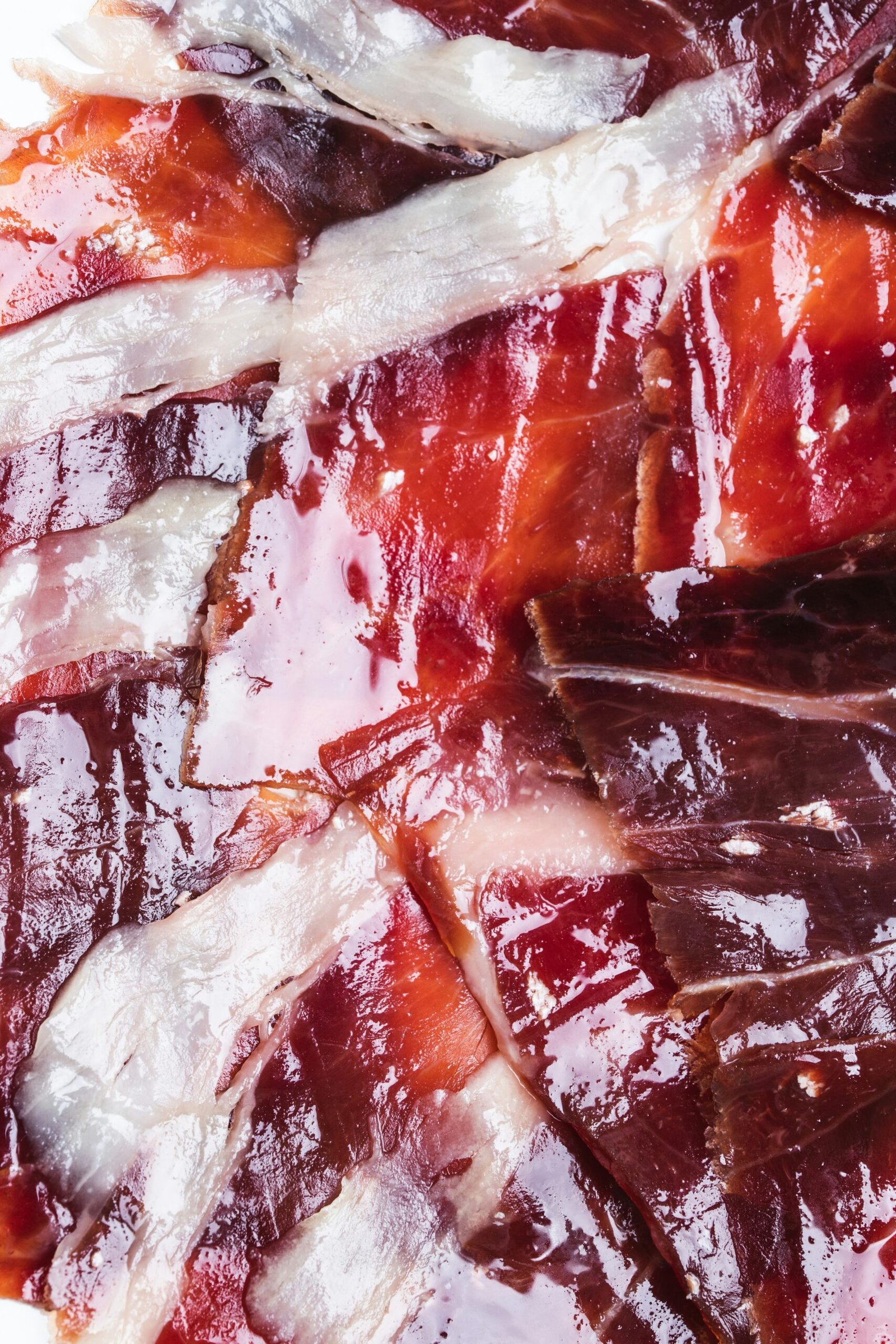
During holiday gatherings, ham often takes center stage, with spiral-cut hams being a favored option for large celebrations. These hams are not only visually appealing but also convenient for serving to multiple guests. Furthermore, thinner cuts of ham, such as prosciutto, lend themselves well to charcuterie boards, enhancing social dining experiences. Incorporating ham into diverse culinary contexts showcases its versatility and reinforces its role in modern nutrition.

Understanding Processed Meats: What Happens to Ham?

Processed meats are defined as any meat that has been preserved through smoking, curing, salting, or adding chemical preservatives. Ham is a prominent example of processed meat, primarily derived from the hind leg of a pig. The method of preparation significantly affects both the flavor profile and preservation methods of ham. The process typically involves curing, which can be broadly categorized into two main methods: dry-curing and wet-curing.

In dry-curing, salt and other seasonings are applied directly to the surface of the meat. This method draws moisture out, concentrating flavors while extending the shelf life. As the salt penetrates the ham, it creates a distinctive taste through the fermentation process, which develops over weeks or even months. Dry-cured ham is often appreciated for its deep, rich flavors and is usually less moist than its wet-cured counterpart.

Conversely, wet-curing involves brining the ham in a liquid solution, typically composed of water, salt, sugar, and sodium nitrites or nitrates. These additives not only enhance flavor but also prevent the growth of bacteria, ensuring the meat remains safe for consumption. The wet-curing method tends to result in a juicier product, which is often favored for its tenderness and moistness. However, it is essential to note that the presence of nitrates and nitrites, commonly found in cured ham, has been a topic of concern regarding health risks, particularly their potential link to certain cancers.

Ultimately, the curing method selected influences not only the sensory characteristics of ham but also its nutritional value. While both dry and wet-curing lead to preserved meats, the differing levels of moisture, flavor complexity, and chemical additives mark significant distinctions in the resulting ham products.

The Artisanal Side of Ham: Cultural Perspectives and Curing Techniques

Ham has captivated palates around the world for centuries, with artisanal curing methods that reflect the unique cultural practices of different regions. These traditional techniques not only enhance the flavor profile of the ham but also embody the heritage and craftsmanship of the communities from which they originate. One of the most renowned examples is prosciutto di Parma, an Italian delicacy crafted through a meticulous process that prides itself on simplicity and purity. This ham is prepared without the use of nitrates or nitrites, instead relying on the natural fermentation and aging process to develop its rich flavors.

The journey of artisanal ham typically begins with the careful selection of high-quality pork, which is often sourced from specific breeds known for their superior marbling and flavor. The curing process varies across regions; for instance, Spanish jamón ibérico undergoes a complex aging process that can last up to four years. The black-footed pigs are free-range, feeding on acorns that contribute to the ham’s distinctive nutty flavor. Such traditions highlight the symbiotic relationship between the environment and the produce, showcasing how local resources define the tastes and characteristics of ham.

Moreover, different cultures implement varying techniques and spices that reflect their culinary history. For example, in the United Kingdom, the method of dry curing ham often involves rubs that incorporate sugar and salt, resulting in a rich, sweet flavor. In other regions, smoking is a common practice, elevating the ham with an additional layer of complexity and aroma. This artisanal craftsmanship emphasizes attention to detail, as producers carefully monitor every stage of the curing process, from initial salting to the final aging, allowing for the perfect flavor development.

Understanding the cultural significance and artisanal methods behind ham preparation enriches the appreciation for this traditional food. Each bite offers not only a taste but also a story of the regional artistry and dedication that goes into crafting high-quality ham.

Storage and Safety: Keeping Your Ham Fresh

Proper storage of ham is paramount in ensuring its safety and maintaining its quality. Each type of ham, whether fresh, uncured, or processed, has specific storage guidelines that should be carefully followed. For fresh ham, which has not undergone curing or smoking, it is essential to refrigerate it immediately after purchase. This type of ham should ideally be consumed within 3 to 5 days when stored at temperatures below 40°F (4°C). It can also be frozen for extended periods, typically up to six months, without significant loss of flavor or texture.

Uncured ham, often labeled as “fresh” or “green” ham, should also be refrigerated and can be safely stored for about 3 to 4 days. If not consumed within this timeframe, freezing is advisable. Processed hams, which include varieties such as smoked or cured ham, have a longer shelf life due to their preservation methods. Once opened, processed ham can be stored in the refrigerator for up to a week, while unopened packages may last several weeks past the sell-by date if kept in the refrigerator.

Maintaining quality also involves proper packaging. It is recommended to wrap ham tightly in plastic wrap or aluminum foil, or to store it in an airtight container to prevent exposure to air and moisture, which can lead to spoilage. Signs of spoiled ham include a slimy texture, an off or sour smell, and discoloration. If any of these symptoms are present, or if there is uncertainty regarding its freshness, it is best to err on the side of caution and discard the product. Ensuring the proper storage and safety of ham not only enhances its longevity but also supports food safety in the home.

The GLP-1 Diet Revolution: Benefits, Side Effects, and What You Need to Know

Understanding GLP-1 and Its Role in Diet

GLP-1, or Glucagon-Like Peptide-1, is a hormone that plays a crucial role in the regulation of appetite, glucose metabolism, and insulin sensitivity. It is synthesized in the intestines and released into the bloodstream in response to food intake. One of the primary functions of GLP-1 is to stimulate insulin secretion from the pancreas when glucose levels rise, while simultaneously inhibiting glucagon release, which leads to lower blood sugar levels. This delicate balance of hormonal responses is essential for maintaining optimal glucose levels, making GLP-1 a critical component in managing diabetes and other metabolic disorders.

Moreover, GLP-1 significantly influences appetite regulation by acting on the brain to induce feelings of satiety. By slowing gastric emptying, it ensures that individuals feel fuller for longer periods, which can ultimately aid in reducing overall caloric intake. For those following a specific diet aimed at weight loss, integrating GLP-1-based strategies can enhance the effectiveness of the dietary regimen. The utilization of GLP-1 mimetics, synthetic versions of the hormone, has emerged as a popular method to support weight management and improve health outcomes.

Recent advances in GLP-1 diet programs have highlighted their effectiveness in promoting weight loss. These diets typically focus on foods that stimulate GLP-1 production, such as those high in fiber and protein. This not only aids in appetite control but also supports better metabolic health. The growing body of research surrounding GLP-1 illustrates its potential benefits in weight management and overall well-being. As studies continue to explore the relationship between GLP-1 and dieting, experts anticipate further recommendations that could shape the way dietary interventions are designed to treat obesity and improve metabolic health.

Exploring the Benefits of a GLP-1 Diet

The GLP-1 diet has gained significant attention for its potential to provide various health benefits, particularly for individuals struggling with obesity and type 2 diabetes. One of the primary advantages of adopting this diet is its ability to support improved weight loss outcomes. Research indicates that GLP-1 receptor agonists can aid in reducing body weight by modulating appetite and promoting a feeling of fullness. This mechanism is crucial, as enhanced satiety can prevent overeating and encourage individuals to maintain a healthier lifestyle.

Furthermore, effective blood sugar management is another considerable benefit linked to the GLP-1 diet. The incorporation of GLP-1 agonists can result in improved glycemic control, which is vital for people with type 2 diabetes. These medications work by stimulating insulin secretion and inhibiting glucagon release, which helps to regulate blood sugar levels. Studies have shown that individuals following a GLP-1 diet experience lower hemoglobin A1c levels, indicating better long-term blood glucose management.

Numerous testimonials support the effectiveness of the GLP-1 diet, showcasing positive life changes experienced by individuals who have adopted this approach. Many report not only weight loss but also improved energy levels and a more stable mood, further enhancing their quality of life. Scientific studies corroborate these individual experiences, highlighting the powerful impact that a GLP-1 diet can have on overall health outcomes.

In addition to the physical benefits, there is also an emotional aspect to consider. Many individuals who successfully follow a GLP-1 diet find a renewed sense of motivation and confidence, which can inspire them to pursue other healthful habits. Consequently, the GLP-1 diet represents a multifaceted approach to achieving lasting improvements in both physical and emotional well-being.

Identifying and Managing GLP-1 Diet Side Effects

The GLP-1 diet, known for its potential to aid in weight loss and metabolic health, can also present various side effects that users should be aware of. Common side effects associated with this diet often include nausea, vomiting, and diarrhea. These adverse reactions stem from the way GLP-1 (glucagon-like peptide-1) affects gastrointestinal motility and appetite regulation. For many individuals, the initial stages of adherence to the GLP-1 diet may involve experiencing these discomforts as the body adjusts to new dietary patterns and a reduced caloric intake.

Nausea is frequently reported among users beginning their journey with the GLP-1 diet. It often diminishes over time as the body acclimatizes to the diet. However, for some, it may remain persistent. In such cases, it is advisable to consider dietary adjustments, such as eating smaller, more frequent meals that are lower in fat. This approach may help mitigate feelings of fullness and reduce nausea. Similarly, vomiting may occur, albeit less frequently. To manage this, hydration is essential, and individuals should focus on consuming bland foods that are easier on the stomach.

Diarrhea, another common side effect, can be particularly troubling. It is crucial to maintain hydration levels and monitor one’s dietary fiber intake while following the GLP-1 diet. Gradually introducing fiber-rich foods can prevent abrupt dietary shifts that might shock the digestive system. Tracking health conditions and any persistent side effects is vital; consulting with a healthcare provider may provide valuable insights into further managing side effects while ensuring the diet aligns with individual health needs.

In conclusion, understanding and managing the side effects of the GLP-1 diet is essential for those embarking on this dietary journey. By recognizing symptoms and implementing effective strategies, users can continue to pursue their health goals with greater comfort and confidence.

Making Informed Choices: Considerations Before Starting a GLP-1 Diet

As individuals contemplate embarking on a GLP-1 diet, it is crucial to approach the decision with careful consideration. One of the primary steps is to consult with healthcare providers who can offer tailored advice based on one’s unique health status and medical history. A physician or registered dietitian can help assess whether the GLP-1 diet aligns with specific health goals, such as weight management, blood sugar control, or other metabolic concerns.

It is equally important for individuals to have a clear understanding of their personal health objectives before initiating any diet. This includes evaluating existing health conditions, medications, and lifestyle factors that could influence the success of a GLP-1 diet. Setting achievable and realistic goals can foster a more sustainable approach to weight loss and overall health improvement.

The GLP-1 diet must not be viewed as a standalone solution; rather, it should be part of a holistic approach to health. This includes incorporating regular physical activity, practicing mindful eating, and prioritizing mental well-being. Engaging in exercise, whether it be through strength training, aerobic activities, or yoga, complements the dietary changes and enhances overall effectiveness.

Furthermore, it is essential to recognize the role of emotional health in dietary changes. The journey toward healthier habits can provoke changes in mood and motivation. Therefore, integrating mindfulness practices, stress management techniques, and social support systems can significantly boost the chances of success on the GLP-1 diet.

In conclusion, making informed choices when considering a GLP-1 diet involves consultation with healthcare professionals, setting clear health goals, and adopting a balanced lifestyle that combines diet, exercise, and mental health practices. This comprehensive approach ensures that individuals not only achieve their desired outcomes but also maintain their overall well-being throughout the process.

The Health Benefits of Chestnuts: A Nutritional Guide for Winter

Introduction to Chestnuts

Chestnuts are a seasonal delicacy that have historically captured the interest of food enthusiasts and health-conscious individuals, particularly during the winter months. Known for their distinctive flavor and texture, these nuts can be enjoyed in various culinary forms, from the beloved tradition of sweet, roasted chestnuts to their incorporation as a nutritious ingredient in hearty soups and stuffing. The versatility of chestnuts in different recipes reflects their increasing popularity in modern cuisine, particularly as consumers seek seasonal produce that fosters both comfort and nutrition.

Unlike many other nuts, chestnuts are low in fat and rich in carbohydrates, making them an appealing choice for those looking to diversify their winter diets with healthier options. Their unique nutritional profile positions chestnuts as a worthy alternative to typical nuts, which tend to have higher fat content. As this shift toward healthier eating grows, so does the appreciation for chestnuts not only as a delicious treat but also as a wholesome ingredient that can enhance the nutritional value of various dishes.

Furthermore, the sweet, earthy flavor of roasted chestnuts offers a delightful experience that pairs well with festive gatherings and seasonal celebrations. Increasingly, chefs and home cooks alike are experimenting with chestnuts, using them in everything from traditional dishes to innovative culinary creations. This rising interest speaks to their adaptability and enhances the relevance of chestnuts in both everyday meals and special occasions.

Through this guide, we aim to delve deeper into the myriad health benefits that chestnuts offer, exploring their nutritional components and why they deserve a prominent place on our winter menus. As we explore further, readers will discover how to incorporate this seasonal nut into their diets in both traditional and inventive ways.

Nutritional Profile of Chestnuts

Chestnuts are a unique addition to the nut family, distinguished by their low calorie and fat content, which makes them an appealing choice for health-conscious individuals. Unlike many other nuts that are calorie-dense and high in fats, chestnuts provide a lighter alternative that can be enjoyed without the guilt. A typical serving of roasted chestnuts contains approximately 190 calories, which is significantly lower compared to almonds or walnuts. This low-fat profile, indicating less than a gram of fat per serving, further solidifies chestnuts as a suitable snack option for those aiming to maintain a balanced diet.

One of the standout features of chestnuts is their impressive antioxidant content. Chestnuts are particularly rich in vitamin C, surpassing many other nuts. This important nutrient plays a critical role in bolstering the immune system, acting as a powerful antioxidant that helps combat free radicals. In addition, chestnuts are packed with polyphenols, which are known for their anti-inflammatory properties and have been linked to a reduced risk of chronic diseases.

Moreover, chestnuts are an excellent source of dietary fiber. A single serving can provide around 10% of the daily recommended intake, promoting digestive health and contributing to feelings of fullness. This high fiber content, combined with their other nutritional benefits, allows chestnuts to be effectively incorporated into various dietary regimes. Additionally, chestnuts are loaded with essential nutrients such as B vitamins, potassium, and magnesium, all of which support various bodily functions.

In summary, the nutritional properties of chestnuts not only distinguish them from other nuts but also highlight their potential health benefits. Their low calorie and fat content, alongside their high levels of antioxidants and fiber, make them a wise addition to a nutritious winter diet.

Cooking Chestnuts: Nutrient Retention and Preparation Methods

Chestnuts are a unique nut that is enjoyed for their distinct flavor and various health benefits. Understanding how different cooking methods affect their nutritional content is essential for maximizing their dietary advantages. While raw chestnuts are rich in nutrients, cooking can alter their composition significantly. Common cooking methods for chestnuts include roasting, boiling, and even grilling, with each method presenting different impacts on nutrient retention.

Roasting is one of the most popular ways to prepare chestnuts. This method enhances their sweet flavor and makes them easier to digest, but it also leads to a slight decrease in some nutrients, particularly certain vitamins. However, roasting generally preserves the healthy polyunsaturated fatty acids present in chestnuts, offering a satisfying and nutritious snack during the winter months. The process of roasting can also intensify the nut’s antioxidant properties, potentially providing additional health benefits.

On the other hand, boiling chestnuts can result in a more significant loss of water-soluble vitamins, such as vitamin C and some B vitamins. The exposure to boiling water can cause these vitamins to leach out into the cooking water, which is often discarded. Therefore, if cooking for maximum nutrient retention, it is advisable to roast rather than boil, or to use the cooking water in soups or sauces to capture any dissolved nutrients.

In terms of digestibility, roasted chestnuts may be easier to digest compared to their raw counterparts, as the cooking process breaks down some of the complex carbohydrates present in raw chestnuts. This can be especially beneficial for those with digestive concerns. Ultimately, choosing the right preparation method can significantly affect both the flavor and nutritional value of chestnuts, making it crucial for health-conscious individuals to consider their options carefully.

Chestnuts vs. Other Nuts: A Comparative Analysis

When examining the nutritional landscape of nuts, chestnuts often stand apart due to their unique profile compared to more commonly consumed varieties such as almonds, walnuts, and hazelnuts. A key consideration in this comparative analysis is calorie content. Chestnuts are notably lower in calories than most other nuts, providing approximately 200 calories per 100 grams, unlike almonds which contain about 575 calories in the same serving size. This makes chestnuts an appealing choice for those monitoring caloric intake while still wanting to enjoy healthy snacks.

Another significant differentiator is the protein content. Almonds are richer in protein, offering about 21 grams per 100 grams compared to the mere 2 grams found in chestnuts. Individuals aiming to increase their protein consumption for muscle building or satiety may lean toward almonds, which can serve as an adequate source of this macronutrient.

Fiber content is another factor where both nuts shine, yet they differ in quantity. Chestnuts provide about 8 grams of fiber per 100 grams, while almonds offer a higher fiber content of approximately 12 grams. Dietary fiber is vital for digestive health, and choosing nuts based on fiber needs can enhance overall well-being.

In conclusion, while chestnuts and almonds possess unique benefits, their differing nutritional profiles allow them to serve various dietary goals. Incorporating both into a balanced diet can contribute to optimal health during the winter months.

Understanding Hip Pain: Causes, Symptoms, and When to Seek Help

What is Hip Pain?

Hip pain is a common complaint that often affects individuals of all ages, impacting their ability to perform daily activities. Defined as discomfort in or around the hip joint, this pain can stem from various causes, ranging from acute injuries to chronic conditions. Understanding hip pain is essential due to the hip joint’s crucial role in body function and movement. The hip joint itself is a ball-and-socket structure that connects the femur (thigh bone) to the pelvis, allowing for a wide range of motion essential for activities such as walking, running, and climbing stairs.

The anatomy of the hip joint is complex, involving several key components. The ball, formed by the head of the femur, fits into the socket known as the acetabulum, which is part of the pelvis. This arrangement facilitates fluid motion and stability. Surrounding the joint are various tissues, including cartilage, which cushions the bones and reduces friction during movement. Additionally, muscles and tendons contribute to the joint’s strength and flexibility, ensuring that movements are smooth and controlled. Any damage or inflammation to these tissues can result in hip pain, leading to difficulty in movement and a decrease in quality of life.

Hip pain can manifest in specific areas, including the front, side, or back of the hip, and the symptoms may vary significantly, depending on the underlying condition. For instance, osteoarthritis may cause a deep, aching pain, whereas bursitis often results in sharp, localized discomfort. Other conditions, such as tendonitis or fractures, can also lead to significant pain. Recognizing the nature and location of hip pain is vital for diagnosis and treatment, as it guides healthcare professionals in identifying the appropriate interventions for relief and recovery.

Common Causes of Hip Pain

Hip pain can arise from a variety of underlying causes, influenced significantly by both age and activity levels. In younger individuals, one frequently observed condition is hip impingement, known medically as femoroacetabular impingement (FAI). This condition occurs when the bones of the hip joint are abnormally shaped, leading to friction during movement. Symptoms often include sharp pain in the groin or hip area, particularly during activities such as deep squatting or sitting for prolonged periods.

For older adults, osteoarthritis is a primary contributor to hip pain. This degenerative joint disease results from the wear and tear of cartilage, leading to inflammation and joint stiffness. Symptoms typically manifest as deep, aching pain in the hip, worsened by weight-bearing activities such as walking or climbing stairs. As mobility decreases, this pain can significantly affect daily life, causing individuals to limit physical exercise.

In addition to these conditions, hip bursitis is another common source of pain. Bursitis occurs when the bursae, small fluid-filled sacs that cushion the hip joint, become inflamed due to repetitive motion or prolonged pressure. Symptoms include tenderness on the outer hip, pain that radiates down the outer thigh, and discomfort during activities like running or sitting for extended periods.

Furthermore, irritation of the muscles and tendons around the hip, known as tendinopathy, can also lead to discomfort. This condition often results from overuse, particularly in athletes or individuals engaged in regular physical activity, causing localized pain and stiffness. Each of these conditions highlights how everyday activities can exacerbate hip pain, underscoring the importance of recognizing symptoms and seeking appropriate care.

Conditions Often Mistaken for Hip Pain

Hip pain can often be challenging to diagnose accurately due to the potential overlap with other conditions. One significant condition frequently mistaken for hip pain is lower back pain. Pain originating from the lumbar region can radiate down to the hip area, leading individuals to misinterpret the source of their discomfort. This can result in ineffective treatments targeting the hip while the actual problem lies in the lower back.

Another condition that can mimic hip pain is sacroiliac joint dysfunction. The sacroiliac joints, located at the base of the spine, can become inflamed or dysfunctional, causing pain that translates to the hip region. Patients may experience sharp or burning sensations, which could easily be mistaken for true hip issues. Proper assessment by a healthcare professional is essential to determine if the sacroiliac joint is the root cause of the discomfort.

Additionally, hernias, particularly inguinal hernias, may also present symptoms that feel similar to hip pain. Individuals may notice a bulge in the groin area accompanied by discomfort that spreads to the hips. Misdiagnosis in this scenario could lead to inappropriate treatments, further complicating the individual’s recovery process.

Given the potential for overlap between hip pain and these conditions, it is crucial for patients to seek a comprehensive evaluation when experiencing discomfort. Different medical specialties may be required to identify the true source of the pain effectively. A thorough clinical assessment, including imaging and physical examination, can aid in distinguishing hip pain from other possible conditions, ensuring that individuals receive timely and appropriate interventions tailored to their specific needs.

When to Seek Medical Attention for Hip Pain

Hip pain is a common complaint that can arise from various causes, including injury, arthritis, or other underlying conditions. While many cases of hip discomfort can be effectively managed with rest, physical therapy, or over-the-counter medications, it is crucial to recognize when the pain may indicate a more serious issue that requires professional evaluation.

One key indicator that it may be time to seek medical attention is the persistence of hip pain despite conservative treatment measures. If pain continues or worsens after several days of rest and self-care, it could suggest a more significant underlying problem, such as a fracture or severe inflammation. Similarly, if the pain is accompanied by swelling, bruising, or visible deformity in the hip area, it would be prudent to consult with a healthcare professional.

Another critical factor to consider is the ability to walk or perform everyday activities. If hip pain significantly limits mobility or the ability to bear weight on the affected leg, this could indicate a serious condition that warrants further investigation. Difficulty walking may arise from conditions such as hip labral tears or avascular necrosis, which can lead to more severe complications if left untreated.

Additional symptoms that should prompt a visit to a healthcare provider include sudden onset of severe pain, fever, or persistent pain radiating to the groin or down the leg. These symptoms could signal infections, such as septic arthritis, or other serious conditions that require immediate attention. Keeping track of the pain’s severity, duration, and any accompanying symptoms can provide valuable information to healthcare professionals during an assessment, helping to facilitate an accurate diagnosis and appropriate treatment plan.

In conclusion, understanding when to seek medical assistance for hip pain is crucial for ensuring effective treatment and preventing potential complications. By recognizing the warning signs and being proactive in seeking care, individuals can better manage their hip health and maintain an active lifestyle.

Understanding Crohn’s Disease: Management Strategies for a Chronic Condition

What is Crohn’s Disease?

Crohn’s disease is a chronic inflammatory condition that primarily affects the gastrointestinal (GI) tract, and it classifies as one of the major forms of inflammatory bowel disease (IBD). Unlike other forms of IBD, Crohn’s can impact any part of the GI tract, from the mouth to the anus. However, it most commonly affects the end of the small intestine, known as the ileum, as well as the colon. The inflammation can occur in distinct patches, meaning that areas of healthy tissue may exist between inflamed sections.

The characteristics of Crohn’s disease often include symptoms such as abdominal pain, diarrhea, fatigue, weight loss, and malnutrition. Many patients may experience flare-ups, where symptoms worsen, followed by periods of remission when symptoms diminish. The unpredictable nature of the disease can significantly impact a person’s quality of life, influencing daily activities and emotional well-being.

Complications associated with untreated Crohn’s disease can escalate and lead to severe health issues. These can include bowel obstructions, ulcers, fistulas, and an increased risk of colorectal cancer. Dr. Gil Melmed, a noted expert in gastroenterology, emphasizes the importance of early diagnosis and treatment to mitigate these risks. He underscores that understanding the nuances of Crohn’s disease is essential for developing effective management strategies.

Research on Crohn’s disease is ongoing, focusing on understanding its exact causes, which remain unclear. Factors like genetics, immune system responses, and environmental influences are all studied to provide deeper insights. This research is crucial in paving the way for new therapeutic approaches and improving patient outcomes.

Symptoms and Diagnosis

Crohn’s disease is a chronic inflammatory condition that primarily affects the gastrointestinal tract, leading to a range of symptoms that can vary significantly among individuals. Some of the most common symptoms include abdominal pain, persistent diarrhea, fatigue, and unexplained weight loss. These symptoms can often be episodic, with patients experiencing flare-ups that may last for a few days or extend over several months. The intensity and combination of symptoms can differ greatly from one person to another, making Crohn’s disease particularly challenging to diagnose and manage.

In addition to the primary symptoms, individuals may also encounter extraintestinal manifestations that can complicate the clinical picture, such as joint pain, skin disorders, or eye inflammation. This variability can often lead to delays in diagnosis, as patients may initially be misdiagnosed with other gastrointestinal issues, including irritable bowel syndrome (IBS) or ulcerative colitis, both of which present with overlapping symptoms. Recognizing the distinctive features of Crohn’s disease and its episodic flare-ups is crucial for prompting timely medical evaluation.

Diagnosis of Crohn’s disease typically involves a combination of clinical evaluations and diagnostic tests. Medical professionals usually begin with a comprehensive history and physical examination, followed by an array of tests such as blood work, stool tests, endoscopy, or imaging studies like MRI or CT scans. These diagnostic approaches aim to assess the extent of inflammation, determine the presence of complications, and rule out other conditions that might mimic the symptoms of Crohn’s disease.

It is vital for individuals experiencing potential symptoms of Crohn’s disease to seek medical advice promptly. Early recognition and accurate diagnosis can facilitate better management strategies and improve patient outcomes over time.

Treatment Options and Management

Managing Crohn’s disease necessitates a comprehensive approach that encompasses both pharmacological and non-pharmacological strategies. Treatment plans are highly individualized, as each patient’s experience with the disease can vary significantly. The primary goal is to reduce inflammation, achieve remission, and enhance the quality of life.

Pharmacological treatments are often the cornerstone of management. Anti-inflammatory medications, such as corticosteroids, play a critical role in alleviating flare-ups by suppressing the immune response. Additionally, immunosuppressants are commonly prescribed to help maintain remission by inhibiting the activity of the immune system, thus preventing further inflammation in the gastrointestinal tract. Biologic therapies have emerged as a more targeted approach for managing moderate to severe Crohn’s disease. These medications are designed to interfere with specific pathways in the inflammatory process, leading to significant improvements in symptoms and overall health.

Complementing these pharmacological treatments, lifestyle modifications can significantly impact the management of Crohn’s disease. Adopting a balanced diet tailored to individual intolerances can alleviate symptoms. Many patients benefit from working with a registered dietitian who can provide guidance on nutritional needs and help identify trigger foods. Staying hydrated and incorporating regular exercise into daily routines are also beneficial strategies that can enhance overall well-being.

Moreover, mental health support plays a crucial role in the management of chronic conditions like Crohn’s disease. Psychological stress can exacerbate symptoms, making mental health care an integral part of a comprehensive treatment plan. Patients might find therapies such as counseling, cognitive-behavioral therapy, or support groups helpful in navigating the emotional challenges associated with living with a chronic illness.

In conclusion, managing Crohn’s disease involves a multifaceted approach, combining medication with lifestyle changes and mental health support tailored to each individual’s needs. This holistic consideration of treatment options can improve health outcomes and enhance quality of life for those affected by this chronic condition.

Living with Crohn’s Disease

Living with Crohn’s disease can present numerous day-to-day challenges, as this chronic condition often affects more than just physical health. Individuals may face emotional and psychological hurdles that need to be addressed as part of their overall management strategy. Recognizing these challenges is an essential step toward enhancing quality of life.

One of the significant difficulties associated with Crohn’s disease is the unpredictability of flare-ups, which can disrupt daily routines and impact productivity at work. To mitigate these issues, it is crucial for individuals to establish a flexible work environment where they can accommodate their needs. Communicating openly with employers about the condition can pave the way for necessary modifications, such as remote work options or flexible hours.

Social life can also be affected by Crohn’s. Individuals may feel hesitant to engage in activities that could lead to discomfort or embarrassment, which can strain relationships with friends and family. To counter this, it’s essential to cultivate a supportive social network. Educating loved ones about the disease can foster understanding and empathy, allowing for more meaningful interactions. Additionally, planning outings around meal times and proximity to restrooms can ease anxiety about social engagements.

Self-care practices, including stress management techniques such as mindfulness, yoga, or meditation, are vital for maintaining emotional well-being. Individuals should not hesitate to seek professional support, whether from therapists specializing in chronic illness or from patient communities where shared experiences can provide comfort and insight. Engaging with others who understand the day-to-day realities of Crohn’s disease is a powerful coping strategy.

By addressing the emotional and social aspects of living with Crohn’s disease and implementing effective coping strategies, individuals can lead fulfilling lives despite the challenges posed by this condition.

Warm Up This Winter: Exploring Typical Winter Foods for Health and Comfort

Understanding Winter Food Needs

During the winter months, the body undergoes significant physiological changes in response to the colder temperatures. These changes can affect metabolism, leading to increased energy expenditure as the body works to maintain its core temperature. This heightened need for warmth and energy amplifies the necessity for certain nutrients, thus altering dietary requirements in these frosty months. Foods rich in calories and nutrients are essential during winter, as they not only help the body generate heat but also support various bodily functions.

One important aspect of winter nutrition is the focus on warming foods that provide both energy and comfort. Meals that are hearty and rich, such as stews, soups, and casseroles, are often favored during this season. They offer a dual benefit: they warm the body and supply necessary nutrients such as proteins, healthy fats, and vitamins. These nutrients are crucial in bolstering the immune system, which is especially important during a time when colds and flu are more prevalent. Incorporating a variety of colorful vegetables, whole grains, and lean proteins can significantly enhance overall health during winter.

Moreover, certain micronutrients, particularly vitamin D, become increasingly important in the winter months when sunlight exposure is limited. Foods fortified with vitamin D or those rich in omega-3 fatty acids can aid in maintaining mood and emotional well-being, countering the winter blues that some individuals experience. Additionally, warming spices like ginger, cinnamon, and turmeric can not only enhance the flavor of dishes but also provide anti-inflammatory benefits. Overall, understanding the specific food needs during winter is pivotal for fostering a healthy, balanced diet that complements the season’s challenges.

Traditional Winter Comfort Foods

The colder months often lead individuals to seek out warm, hearty meals that provide both nourishment and comfort. Traditional winter comfort foods vary widely across cultures, offering a fascinating glimpse into regional culinary practices. One of the quintessential winter meals is a robust stew, which combines various meats, vegetables, and spices that simmer together to create a deeply flavorful dish. In Irish cuisine, for instance, Irish stew typically consists of lamb, potatoes, carrots, and onions, showcasing the simplicity and heartiness characteristic of comfort foods.

Another common winter dish is soup, which is revered for its warming properties and versatility. For instance, in Eastern European countries, borscht—a beet-based soup—is often served hot during the colder months. This traditional meal not only nourishes those who eat it but also holds cultural significance, often being a centerpiece during family gatherings. Similarly, in Italy, ribollita is a Tuscan soup made with stale bread, cannellini beans, and seasonal vegetables such as kale. This dish is emblematic of using what is available, a concept prevalent in many winter recipes around the globe.

Casseroles also make the list of beloved winter foods. In the U.S., dishes such as tuna noodle casserole combine pasta and canned tuna with creamy sauces and often come topped with breadcrumbs or cheese to achieve a comforting texture. These baked meals are especially popular for their ease of preparation and ability to serve a crowd. Likewise, in Scandinavian countries, dishes like Janssons frestelse, or Jansson’s temptation, feature creamy potatoes and anchovies, depicting another way to embrace winter ingredients in warm, filling dishes.

Across cultures, the common thread linking these winter comfort foods is their ability to bring warmth and solace during colder times, making them not just meals but cherished traditions that unite family and friends around the table.

Healthy Versions of Winter Foods

As the winter months approach, the craving for comfort foods intensifies. However, enjoying these traditional dishes does not have to come at the expense of your health. By embracing healthier versions of winter foods, you can enjoy the warmth and satisfaction they provide while also nourishing your body. A few simple ingredient swaps can significantly reduce calorie content and enhance nutritional benefits.

For example, consider using whole grain alternatives instead of refined grains. When making hearty winter soups, opt for barley or quinoa instead of white rice or pasta. These grains offer higher fiber content, which aids digestion and keeps you feeling fuller for longer. Additionally, substituting cream in recipes with coconut milk or pureed cauliflower can provide a creamy texture without excessive calories.

Moreover, incorporating seasonal vegetables such as kale, carrots, and squash into stews and casseroles not only enhances the flavor but adds a rich array of vitamins and minerals. Roasting vegetables with herbs and spices can elevate their taste, offering a delicious alternative to heavier winter fare. Reducing sodium in your meals is also essential for maintaining cardiovascular health. Opting for fresh herbs and spices instead of salt can elevate the flavor profile of your winter dishes.

For those looking for quick and wholesome recipes, consider a nourishing winter soup made with lentils, sweet potatoes, and a variety of leafy greens. This dish is not only filling but packed with protein and fiber. For a cozy dinner, try preparing a spiced vegetable chili using black beans and a medley of seasonal vegetables. Such meals can cater to diverse dietary needs, ensuring everyone can enjoy the comfort of winter cuisine without compromising their health.

In conclusion, by making mindful ingredient choices and incorporating wholesome cooking techniques, traditional winter foods can be transformed into healthier, nutritious options that still provide the warmth and comfort associated with the season.

Staying Inspired to Cook in Winter

As the chill of winter envelops us, it can sometimes become a challenge to maintain motivation in the kitchen. However, with a little creativity and planning, cooking during these colder months can be a rewarding and enjoyable experience. One effective way to stay inspired is through meal planning. By dedicating some time each week to plan out meals, it becomes easier to incorporate a variety of ingredients and recipes that align with the season. This method not only reduces stress around mealtime but also allows individuals to discover innovative ways to use winter produce, such as root vegetables, hearty greens, and citrus fruits.

Exploring new recipes can also reignite one’s passion for cooking during winter. With a plethora of cookbooks and online resources available, trying out different cuisines or cooking techniques can add an element of excitement to the kitchen. Emphasizing seasonal ingredients can enhance both the flavor and nutritional value of winter meals. For instance, incorporating ingredients like squash, sweet potatoes, and kale can not only elevate dishes but also capture the essence of winter harvests.

Moreover, cooking can serve as an excellent communal activity during winter months. Involving family and friends in the kitchen can transform meal preparation into a fun and interactive experience. Consider organizing a weekly cooking night where everyone contributes to a dish or shares family recipes. This not only creates opportunities for bonding but also instills a sense of joy and comfort associated with mealtime during the colder season. Whether bustling around the stovetop together or sharing a cozy dinner table, the communal aspect of cooking can enhance the winter dining experience, making it more memorable and fulfilling.