
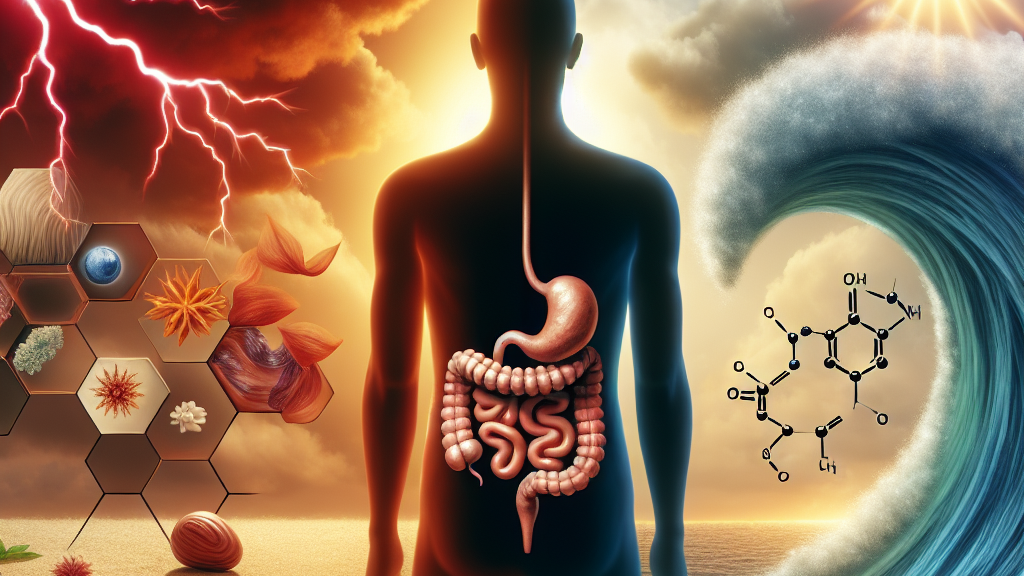
Revolutionizing Pain Management: New Oral Drugs for Gut Pain Relief
The Breakthrough in Gut Pain Treatment
Abdominal pain affects millions, prevailing as a significant challenge due to limitations in effective treatment options. The recent breakthrough in gut pain management comes from innovative research focused on reengineering the peptide hormone oxytocin. Researchers at the University of Queensland (UQ) have created a novel drug by altering the chemical structure of oxytocin, which demonstrates promising potential in pain relief without the invasive application of current treatments like injections.
Traditionally, managing chronic gut pain associated with disorders such as irritable bowel syndrome (IBS) and inflammatory bowel disease (IBD) involves medications that pose risks of addiction and severe side effects. The conventional use of opioids, for instance, brings about problems like constipation and narcotic bowel syndrome, necessitating the development of safer alternatives. This innovative method targets pain effectively with an oral solution, making it unique in its class for non-invasive, chronic gut pain management.
How Oxytocin is 'Hacked' into a New Class of Painkiller
The University of Queensland's research team, led by Markus Muttenthaler, has built upon previous studies showing the potential for oxytocin in pain relief applications. They optimized the structure to withstand intestinal enzymatic breakdowns and maintain efficacy. This addresses major challenges traditional peptide drugs encounter, such as instability in the gastrointestinal (GI) environment and difficulties crossing the gut-blood barrier.
By modifying oxytocin's molecular design, the researchers have achieved a compound that remains potent in the gastrointestinal tract, paving the way for oral administration. This innovation minimizes systemic side effects commonly seen with other medications, presenting a tailored solution for gut-specific pain. The drug's successful passage to its target receptor in the colon, without degrading, marks a significant advancement in oral peptide drug therapy.
Future Implications and Market Potential
This groundbreaking research not only introduces a novel method for treating gut pain but also opens potential avenues for addressing broader applications, including various gastrointestinal disorders. The market potential for such innovations is immense, considering the substantial demand for treatments that are both effective and free from damaging side effects. Moreover, the pharmaceutical industry could see transformative changes as these new drug formulations continue to evolve.
As the research progresses towards clinical trials, the anticipation around these oxytocin-structured drugs highlights a significant shift in how chronic gut pain may be managed in the future. With ongoing research and development, the future of pain management looks promising, potentially setting a new standard in therapeutic interventions for gut-related ailments.
The advancements in this sector underscore the importance of investing in research that addresses chronic conditions with a holistic, patient-focused approach. As these developments progress towards market availability, they promise to reshape the landscape of chronic pain treatment and improve the quality of life for millions affected by these conditions worldwide.